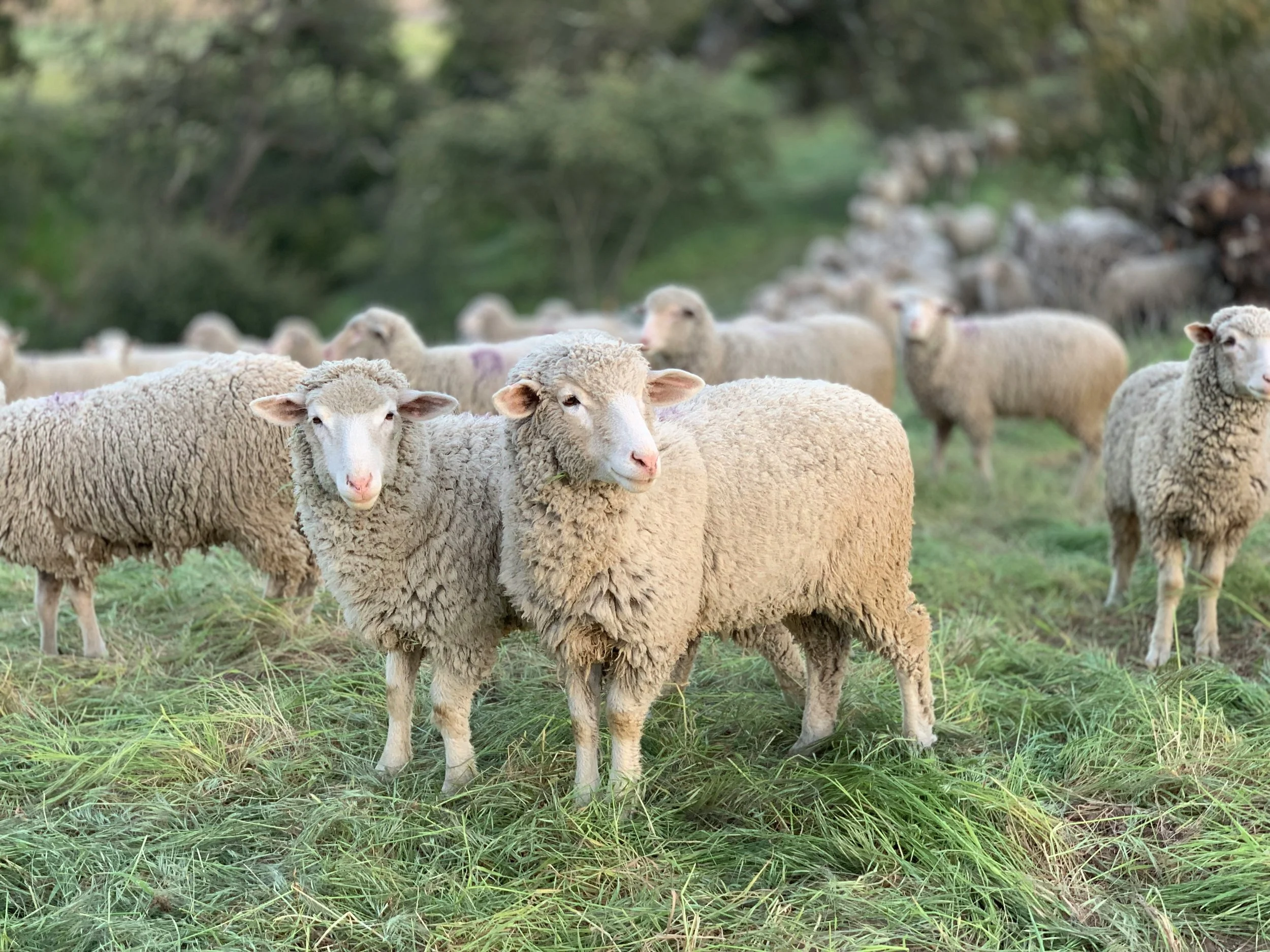
Pasture Management
What Manure and Residual Forage Tell Us
After you move cattle to a new paddock, check the consistency of the manure and the plant residuals to determine if cattle are getting the proper nutrition while leaving adequate forage behind for regrowth. Logan Karcher, director of producer programs with Illinois Grazing Lands Coalition, illustrates what to look for in a manure pat, as well as how to evaluate residual plant materials after a move. Plant residual dry matter breaks down and feeds soil biology. It provides soil cover which helps keep the soil cool and moist.
Featured Publications
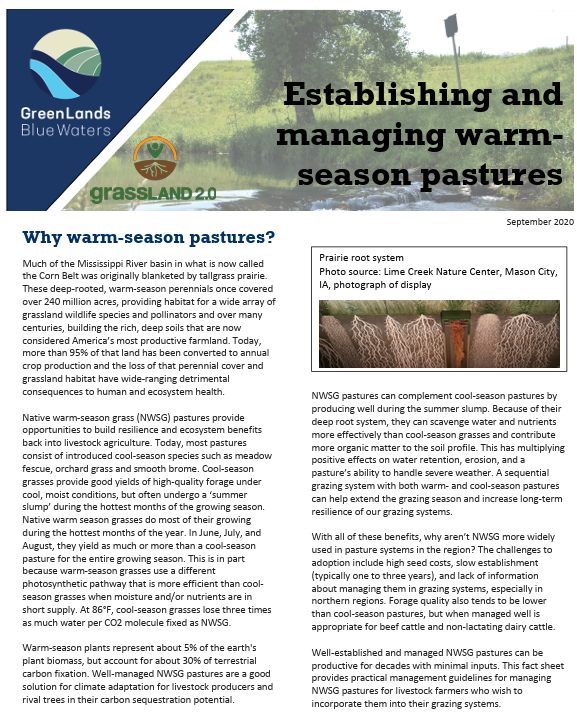
Establishing and Managing Warm-Season Pastures
Native warm-season grass pastures provide opportunities to build resilience and ecosystem benefits back into livestock agriculture. Download this factsheet from Green Lands Blue Waters.
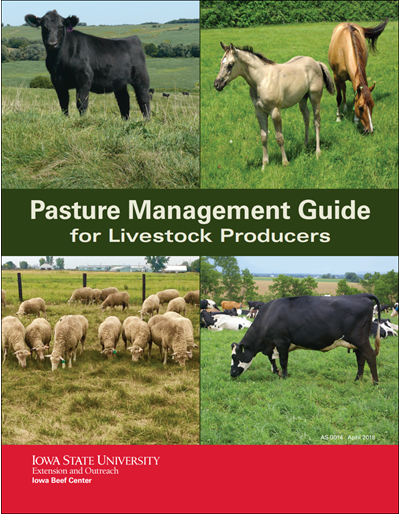
Pasture Management Guide for Livestock Producers
The color publication covers practices to increase production and returns by improving management of grassland. Order this publication from Iowa State University Extension and Outreach.
Additional Publications
-
From the Fact Sheet: This publication is intended to help producers meet animal forage needs in a rotational grazing system by mastering the use of a grazing stick to estimate pasture yield and pasture allocation. Download this fact sheet from the University of Kentucky.
-
From the Fact Sheet: The purpose of this report is to summarize current research on the grazing tolerance of varieties of tall fescue, orchardgrass, perennial ryegrass, and other species when they are subjected to continuous, heavy grazing pressure by cattle within the growing season. Overgrazing is not a recommended practice but is done in these studies to determine how different varieties perform under conditions that are worse than occur during the life of a typical pasture. Download the fact sheet from the University of Kentucky.
-
From the Fact Sheet: Good management for maximum life from grazing alfalfa and clover would include:
Allowing alfalfa and clover to become completely established before grazing
Using rotational grazing where animals harvest available forage in seven days or less, followed by resting for 28 days before regrazing; less rest time is required for white clover
Adding needed fertilizer and lime
Removing grazing livestock from alfalfa and red clover fields from mid-September until November 1 to replenish root reserves for winter survival. Download the fact sheet from the University of Kentucky.
-
From the Fact Sheet: Selecting a good variety of tall fescue and bromegrass is an important first step in establishing a productive stand of grass. Proper management, beginning with seedbed preparation and continuing throughout the life of the stand, is necessary for even the highest-yielding variety to produce to its genetic potential. Download the fact sheet from the University of Kentucky.
-
From the Fact Sheet: Carbon sequestration in pasture soils is achievable, but is not a given for all situations. Your soil texture and the climate in your area are sometimes overriding factors, but you can adopt several management practices that promote increases in soil organic matter and carbon sequestration. Conversion of annual cropping to perennial pasture usually results in significant References carbon sequestration, and grazing management practices that improve soil health, increase pasture plant diversity and rooting depth can promote continued increases in soil organic matter. Download the fact sheet from Green Lands Blue Waters.
-
The purpose of this Resource Center is to provide science-based information on native warm-season forages and to present firsthand experiences from producers who are using native warm-season forages in their grazing systems. The intent is to provide you with the knowledge necessary to determine if native warm-season forages are a good fit for your grazing operation. Go to the AFGC Forage Resource Center website.
-
From the Fact Sheet: Using this budget, farmers can estimate the costs and returns of native warm-season grass. Download the fact sheet from University of Missouri.
-
From the Fact Sheet: Native warm-season grasses have multiple benefits to soil health and for cattle production. This Missouri Department of Conservation (MDC) resource provides guidance for planting legumes with native grass, haying, maintenance burning, and rotational grazing. Check out the website from University of Missouri.
-
From the Website: Select your specific mix for hay and pasture seeding. Access the online seeding rate calculator from the University of Wisconsin.
-
Native warm-season grass pastures provide opportunities to build resilience and ecosystem benefits back into livestock agriculture. Download this factsheet from Green Lands Blue Waters.
-
The color publication covers practices to increase production and returns by improving management of grassland. Order this publication from Iowa State University Extension and Outreach.
Understanding Soil Carbon Dynamics in Pasture Systems
From the Fact Sheet: Carbon sequestration in pasture soils is achievable, but is not a given for all situations. Your soil texture and the climate in your area are sometimes overriding factors, but you can adopt several management practices that promote increases in soil organic matter and carbon sequestration. Conversion of annual cropping to perennial pasture usually results in significant References carbon sequestration, and grazing management practices that improve soil health, increase pasture plant diversity and rooting depth can promote continued increases in soil organic matter. Download the fact sheet from Green Lands Blue Waters.
Featured Videos
Eric Fuchs of Understanding Ag demonstrates the impact of warm season Eastern gama grass in creating soil aggregation, the process by which soil particles stick together to form larger units. Well aggregated soil allows water, air, roots, and microorganisms to move around easily creating healthier soil.
From the Video: In this four-minute video shot on his own farm in Illinois, Understanding Ag consultant Luke Jones shows you how he feeds the biology that feeds his operation. “Knowing that our soils are a biological system, it’s time we treat them as such,” says “I often hear folks say they need to give the ground a rest or break. Phooey! You need to feed it.”