The advice you need to grow and graze.
Search by these popular topics
Time to hold off those pastures
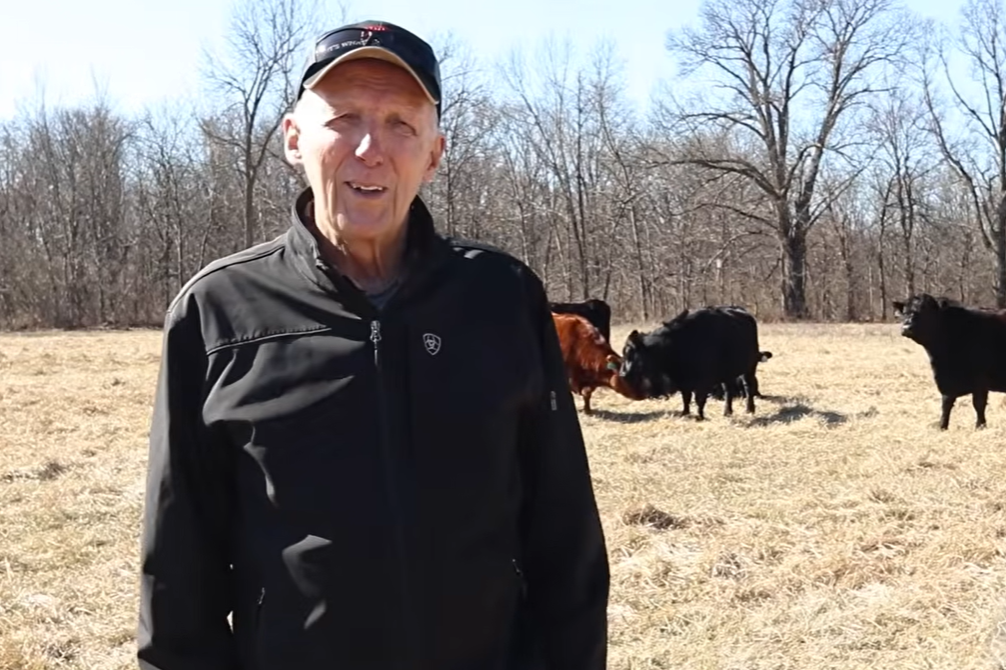
Stockpiling is the process of allowing forage in perennial pastures to grow in late summer and fall without being grazed or harvested as hay.
Multispecies grazing: A golden opportunity
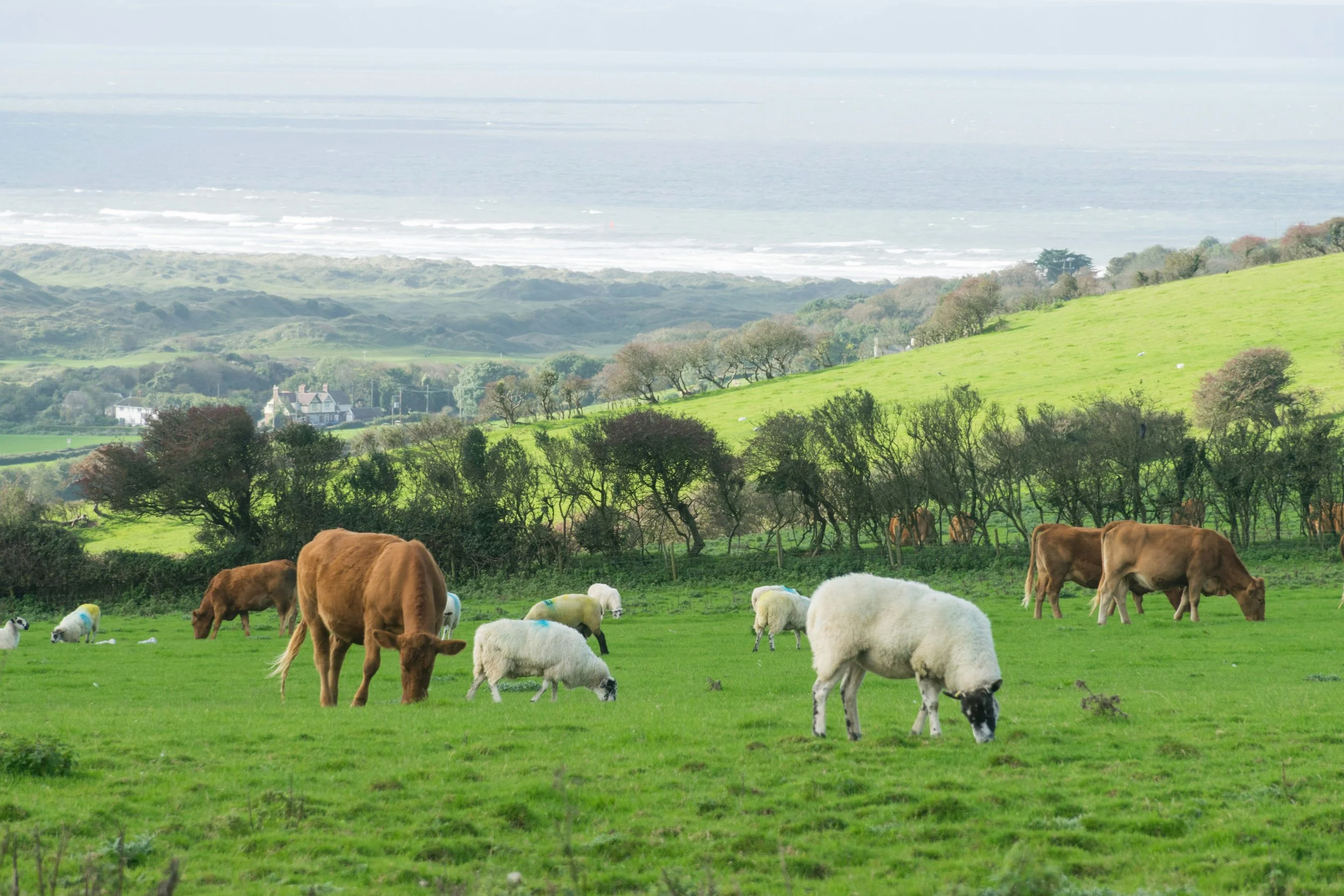
Grazing multiple species can improve soil health by distributing manure, reduce soil compaction from hoof action, reduce the need for herbicides, and improve available nutritional forage by eliminating unwanted or invasive plants.
Indirect impact of cleaner air on soil
As acid rain decreases though, soil loses a key free source of sulfur they need to grow forages. Signs of sulfur-deficiency may also include stunted or spindly plants and reduced overall dry matter.
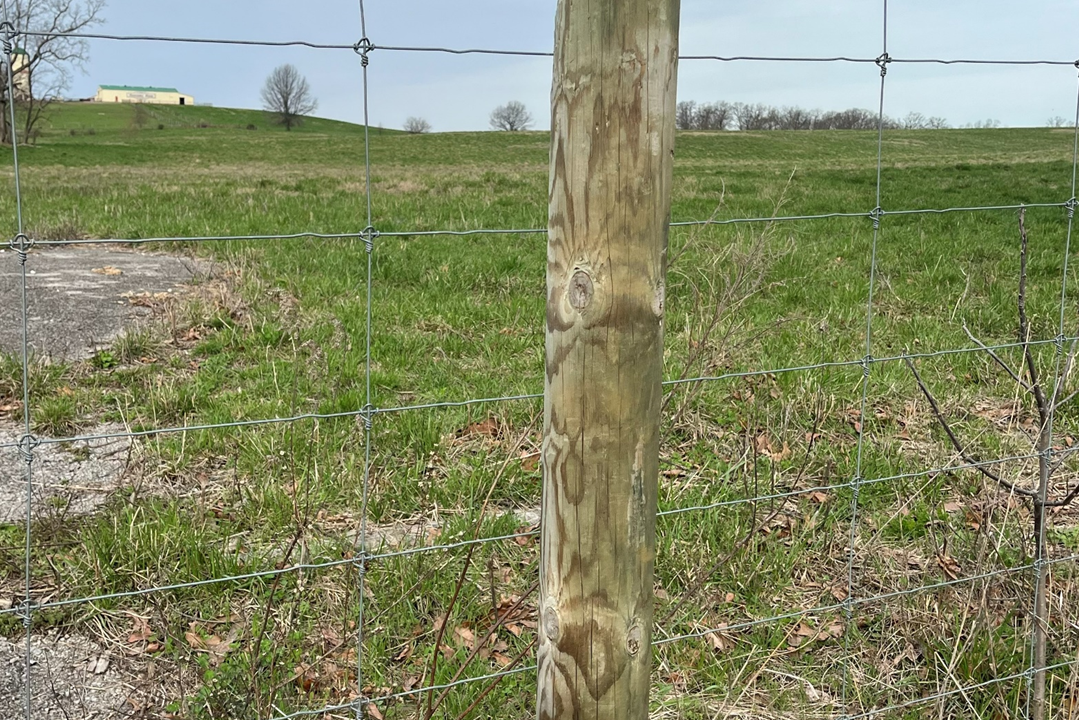
Choose the right fence for your grazing system
Choosing the right fencing for a managed grazing system shapes what your operation can do for years to come.
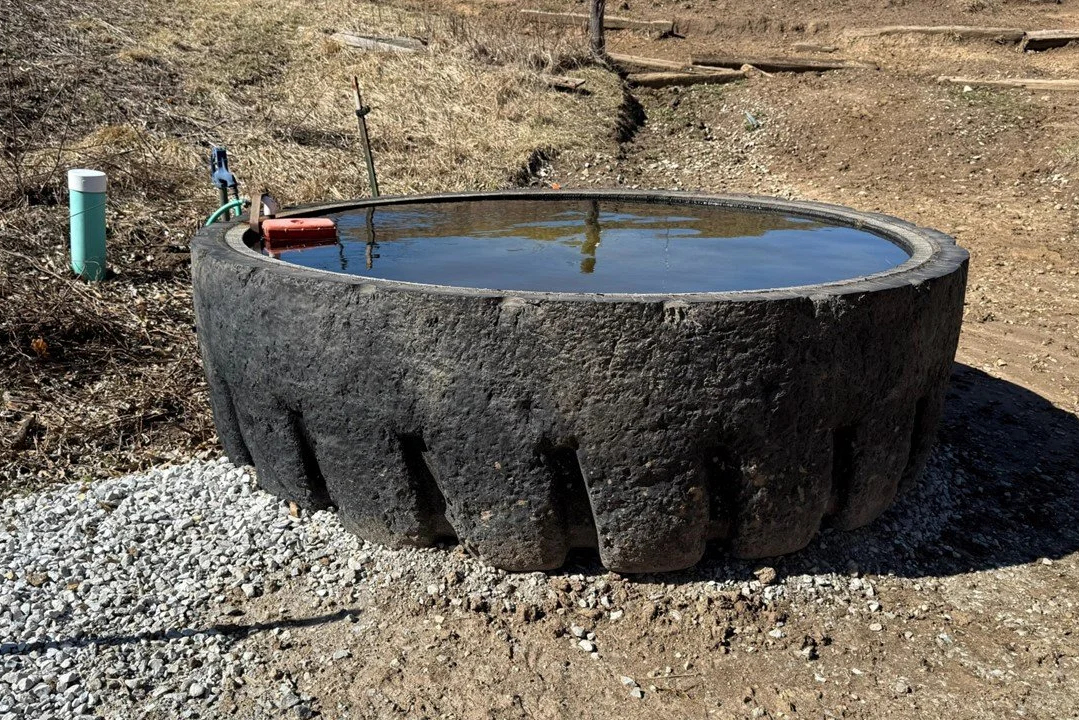
Establishing water systems for rotational grazing
Water infrastructure is one of the most common limiting factors in a managed grazing system — and one of the most frequently underbuilt.
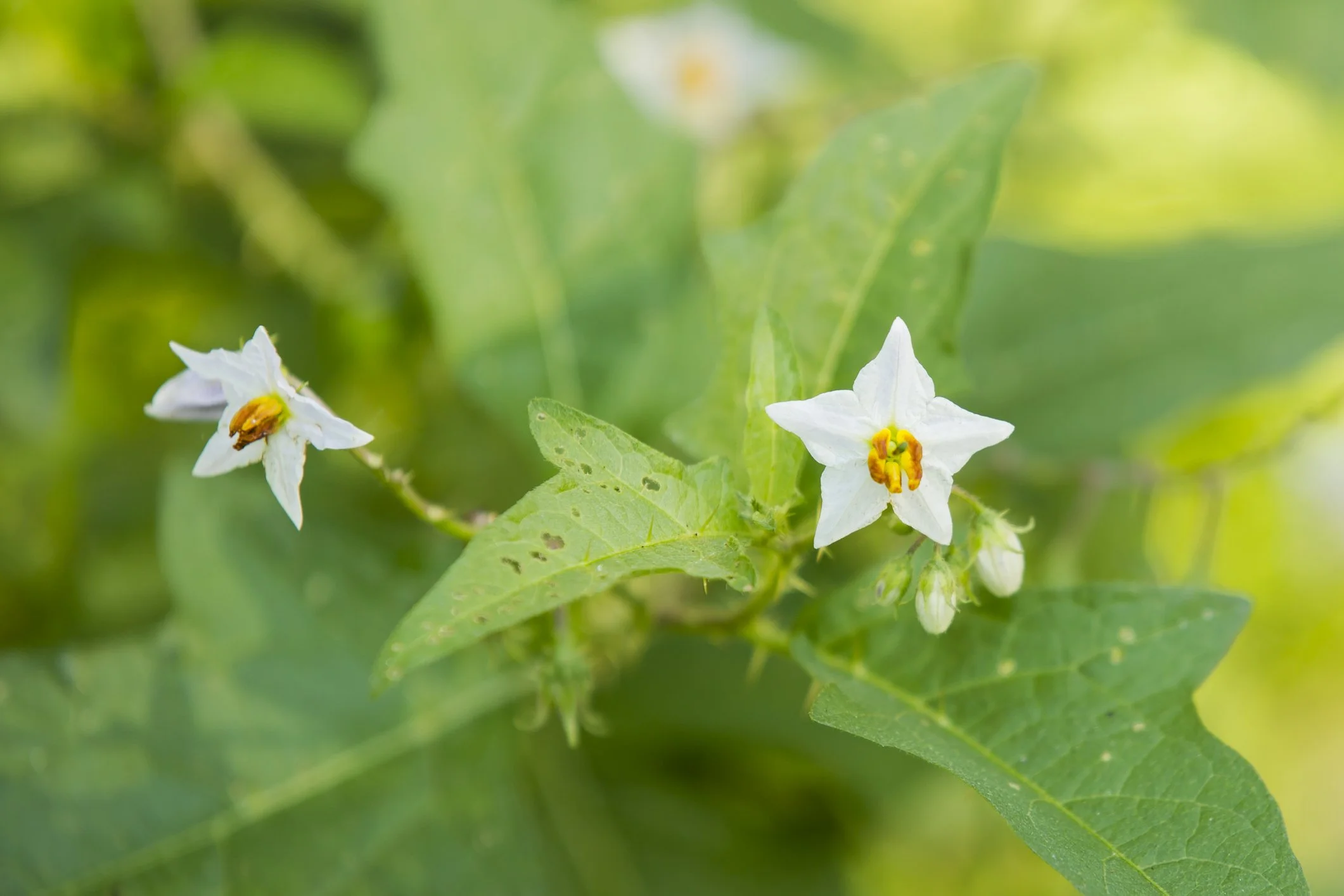
Your weeds are telling you something
Weeds have a way of making producers feel like they're losing a battle. But what if those plants were actually trying to tell you something useful?
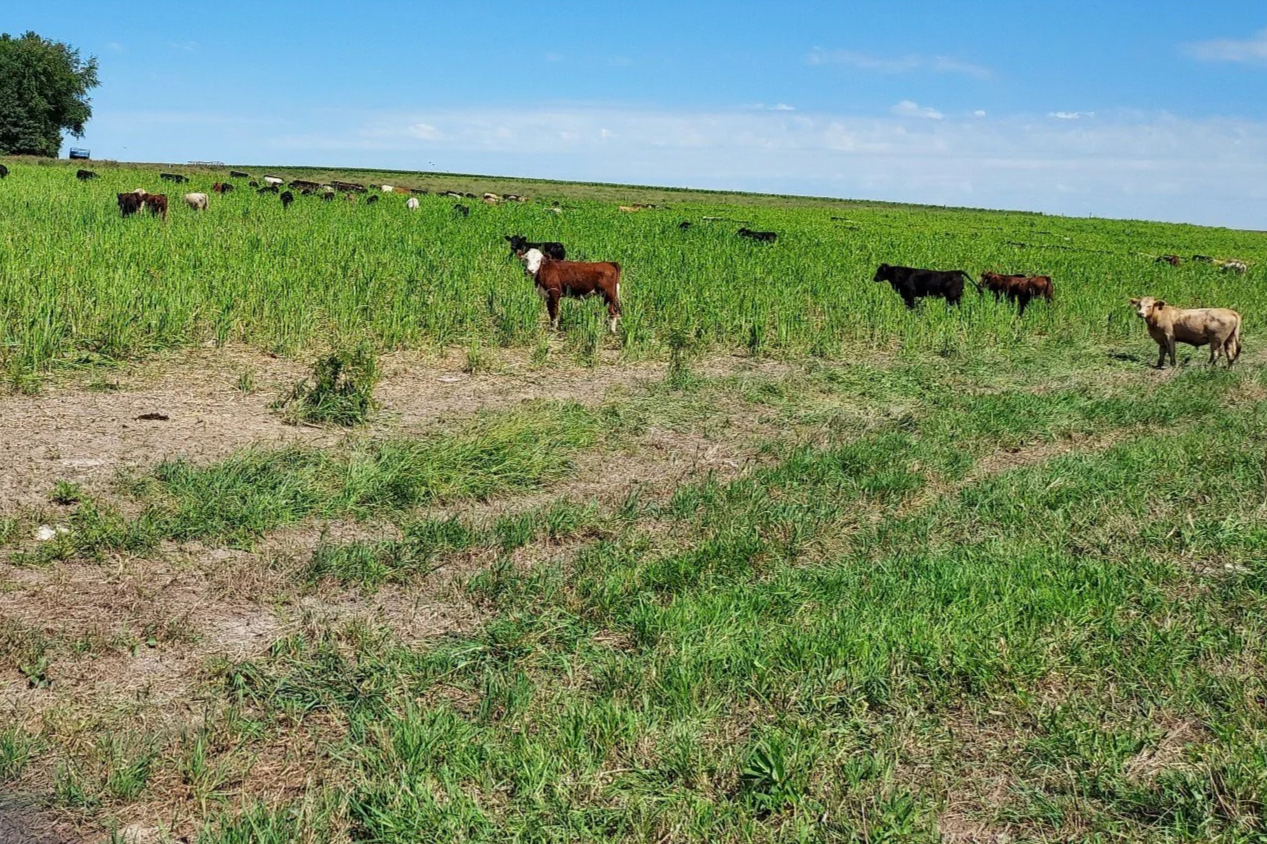
Follow these tips for transitioning row-crop ground to pasture
Converting cropland to pasture can be a challenge. The soil biology is set up to work against you at first, the establishment is often slower than you'd like, and the temptation to cut corners on the front end is real.
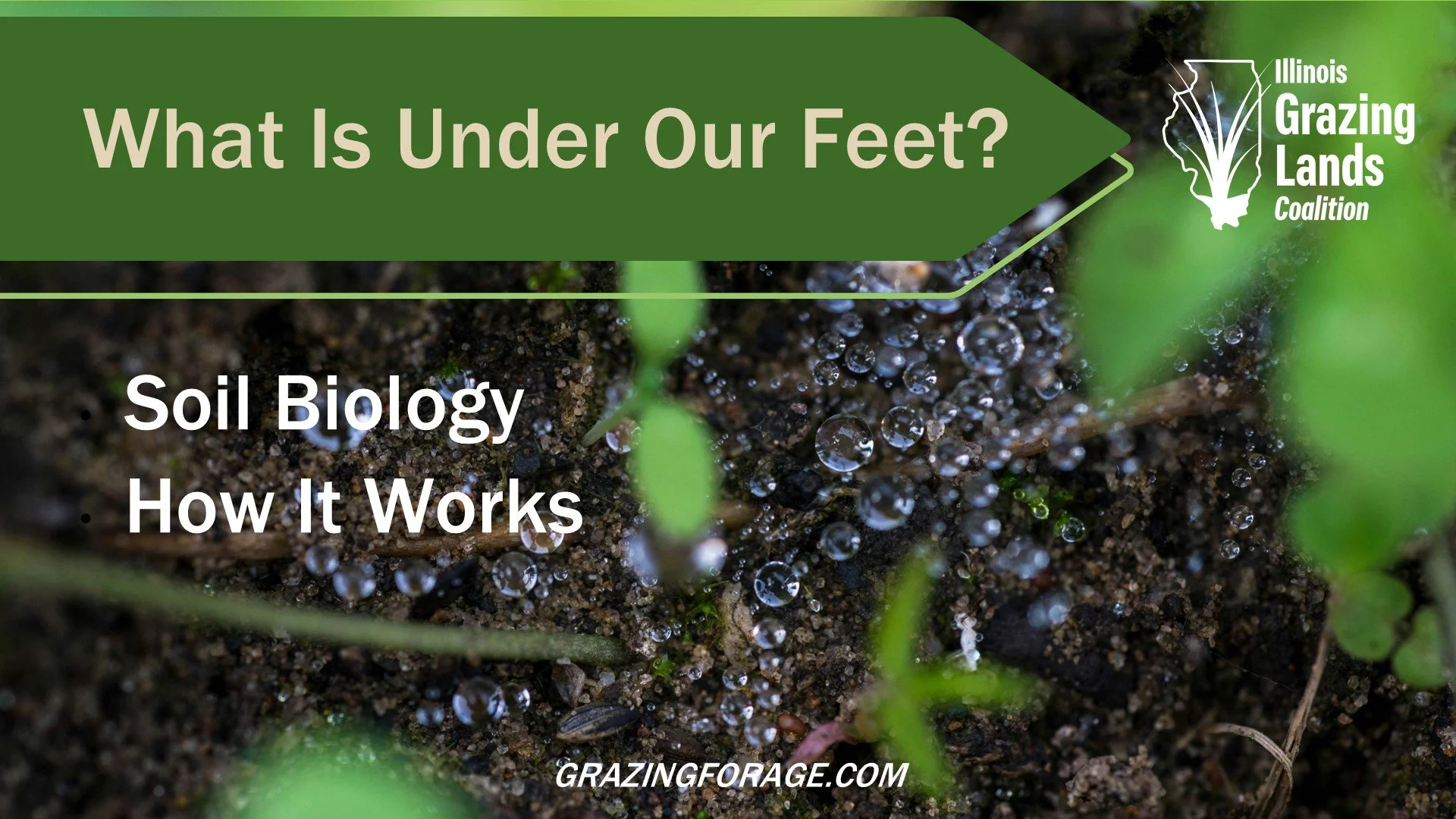
Life under your feet: A grazier's guide to soil biology
The biological connections under our feet — soil to plant to animal and back again — is the engine of a regenerative grazing system. A graziers job is to provide the right conditions so the boilogy in the soil can do its job.
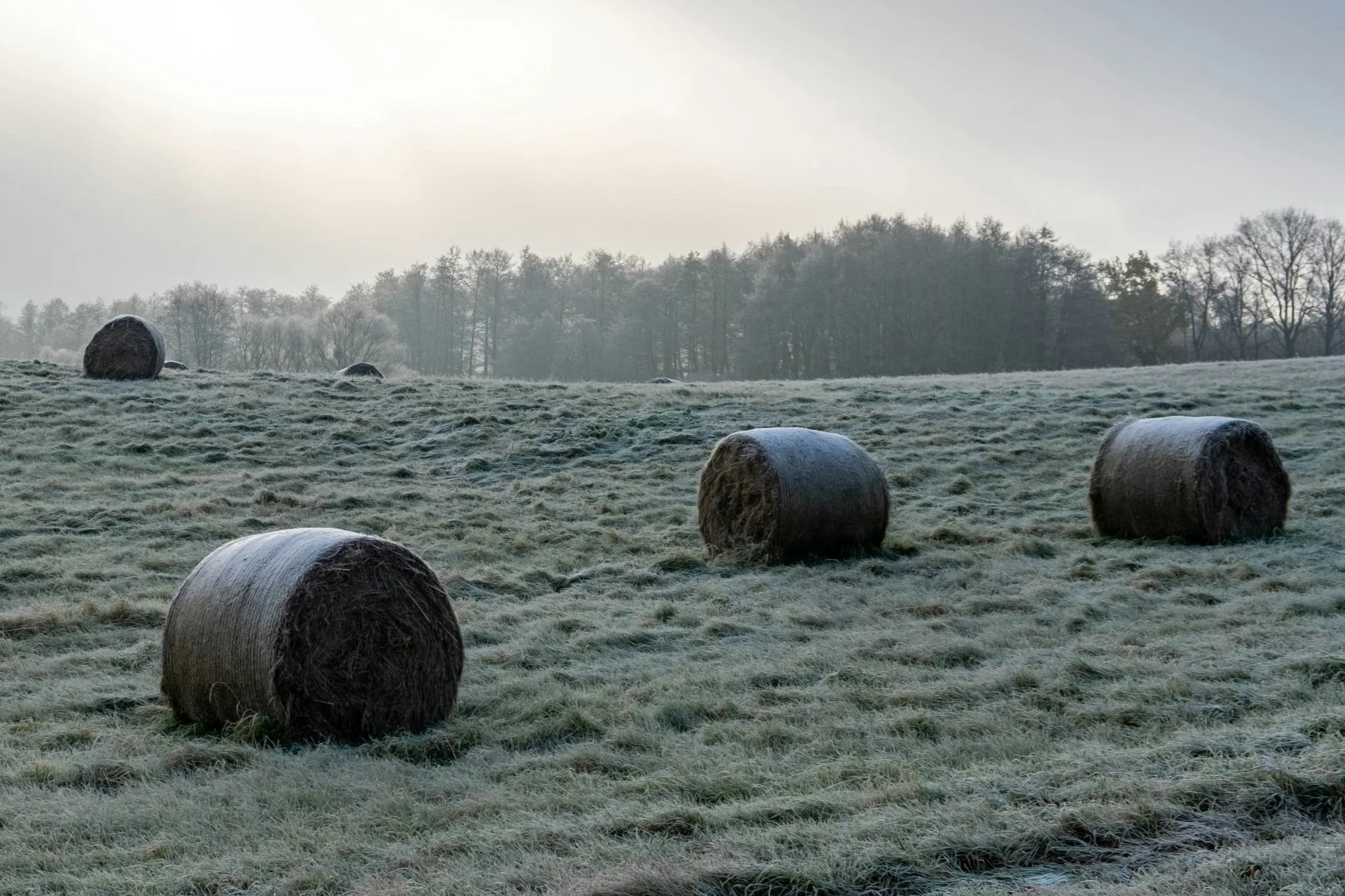
Waste not, want not: Smart strategies for winter hay feeding
Effective winter hay strategies focus on minimizing waste while protecting hay quality and reducing soil disturbance.