The advice you need to grow and graze.
Search by these popular topics
Time to hold off those pastures
Stockpiling is the process of allowing forage in perennial pastures to grow in late summer and fall without being grazed or harvested as hay.
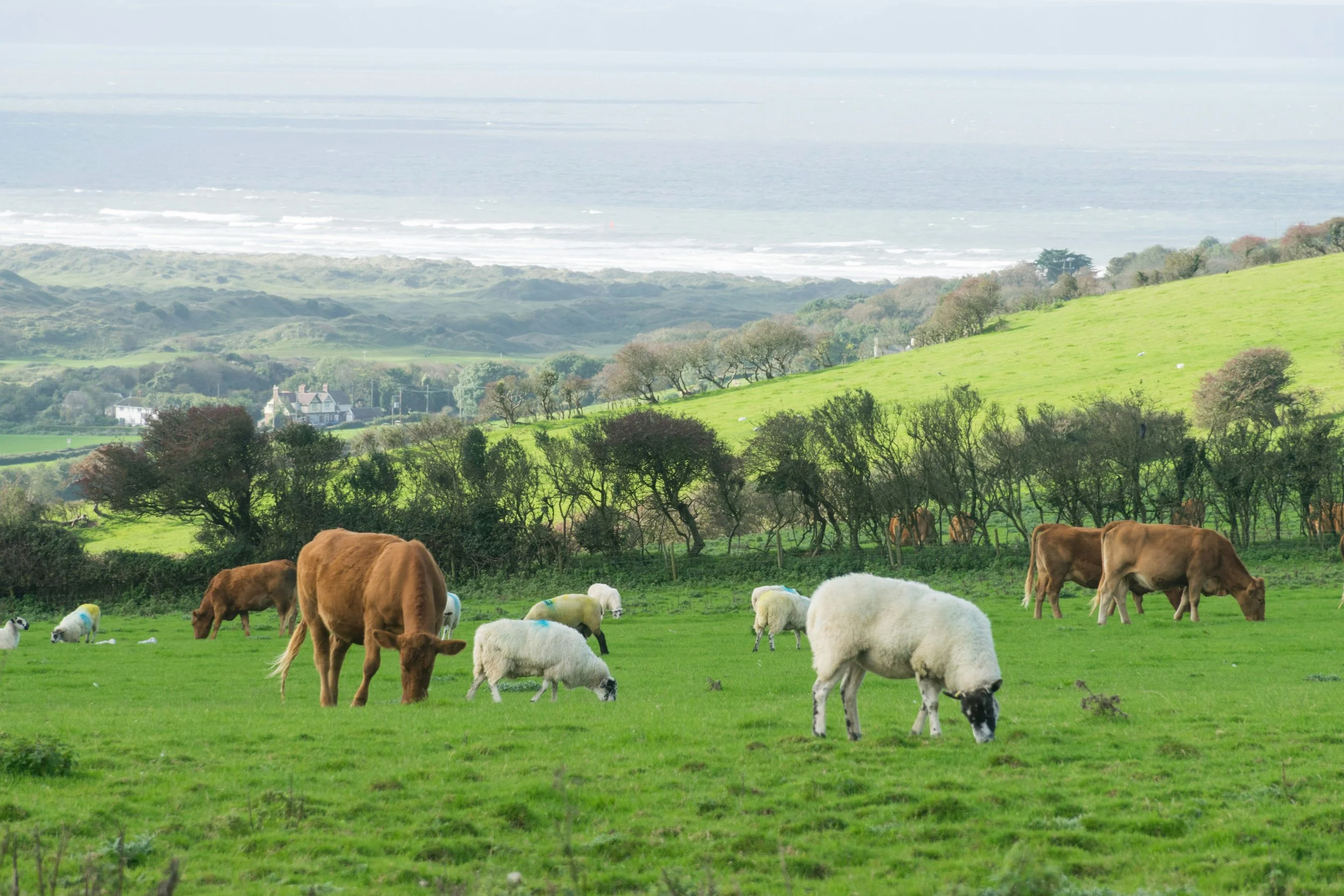
Multispecies grazing: A golden opportunity
Grazing multiple species can improve soil health by distributing manure, reduce soil compaction from hoof action, reduce the need for herbicides, and improve available nutritional forage by eliminating unwanted or invasive plants.

Indirect impact of cleaner air on soil
As acid rain decreases though, soil loses a key free source of sulfur they need to grow forages. Signs of sulfur-deficiency may also include stunted or spindly plants and reduced overall dry matter.
Sacrifice areas protect soil, forage, livestock health
A well-planned sacrifice area can save grazing resources, improve animal management, and support long-term pasture productivity.
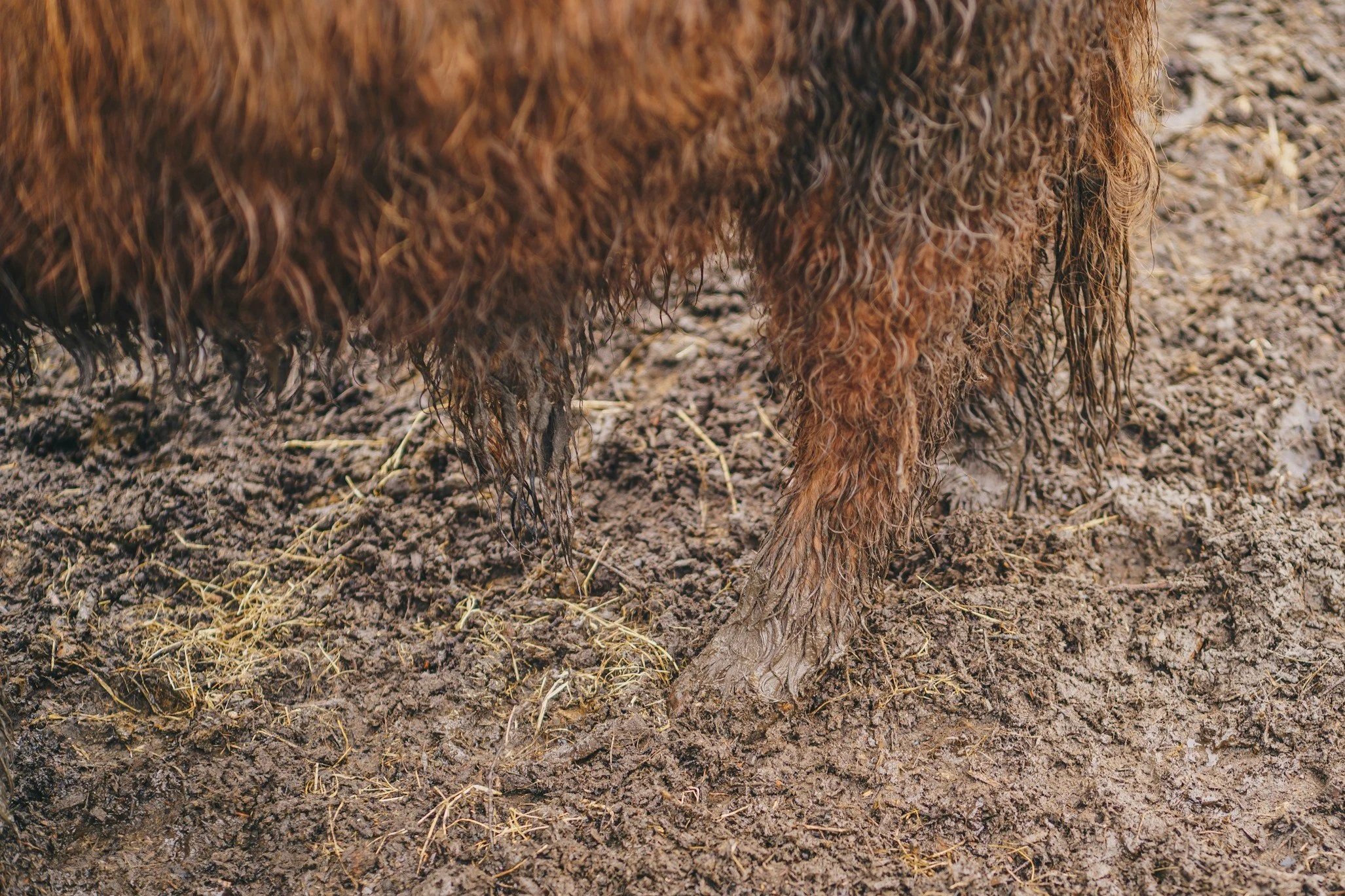
Less mud, more gain: Practical ways to manage mud
There are many uncertainties in livestock production; mud is not one of them. Managing mud effectively can reduce health risks for livestock and improve soil health.
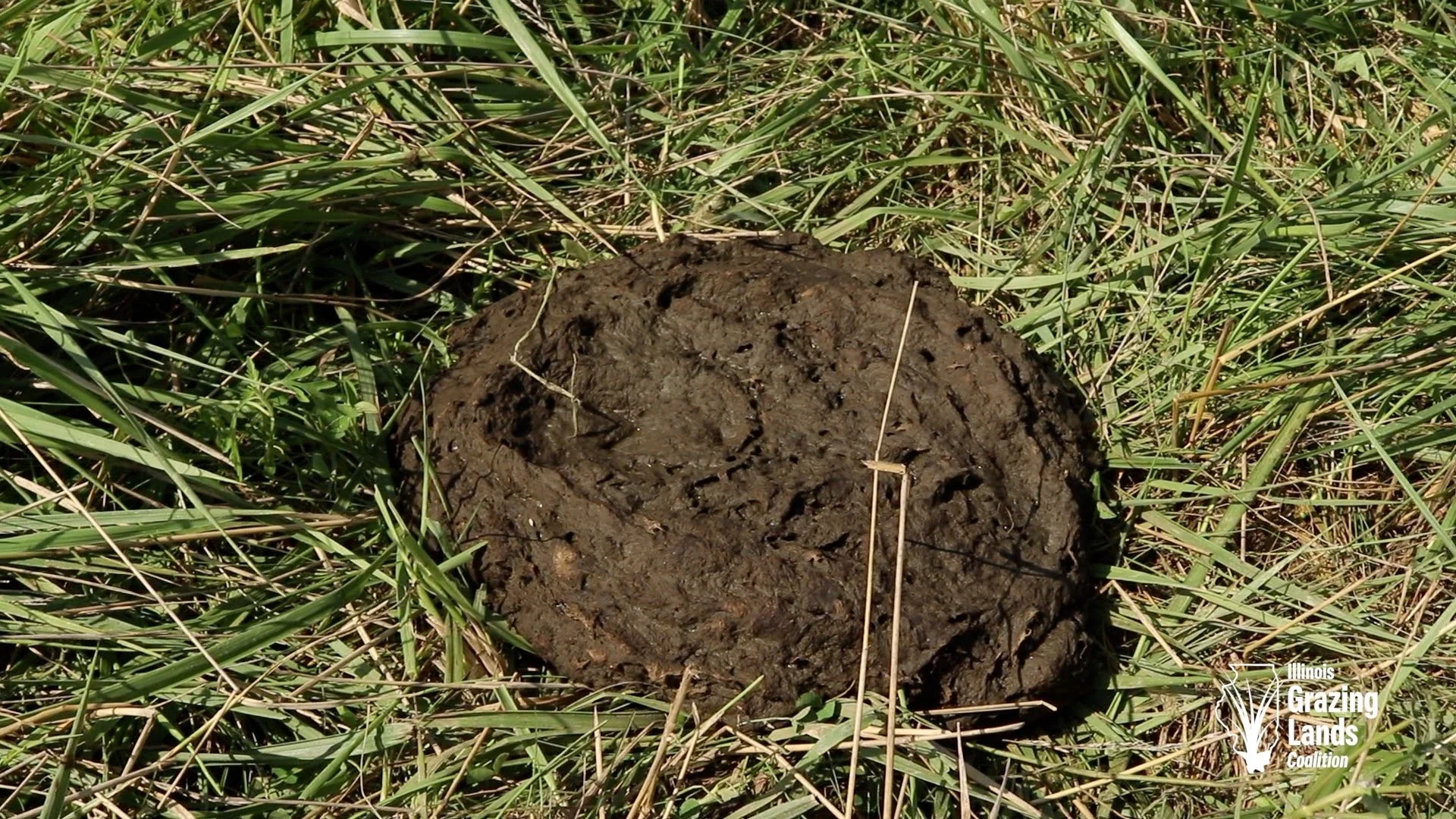
Yes, there is a perfect pile of manure
There’s a lot you can learn from a cow pie. The shape and consistency of the manure pile is an indicator of the cow’s nutritional intake and conversion. What is your pile telling you?
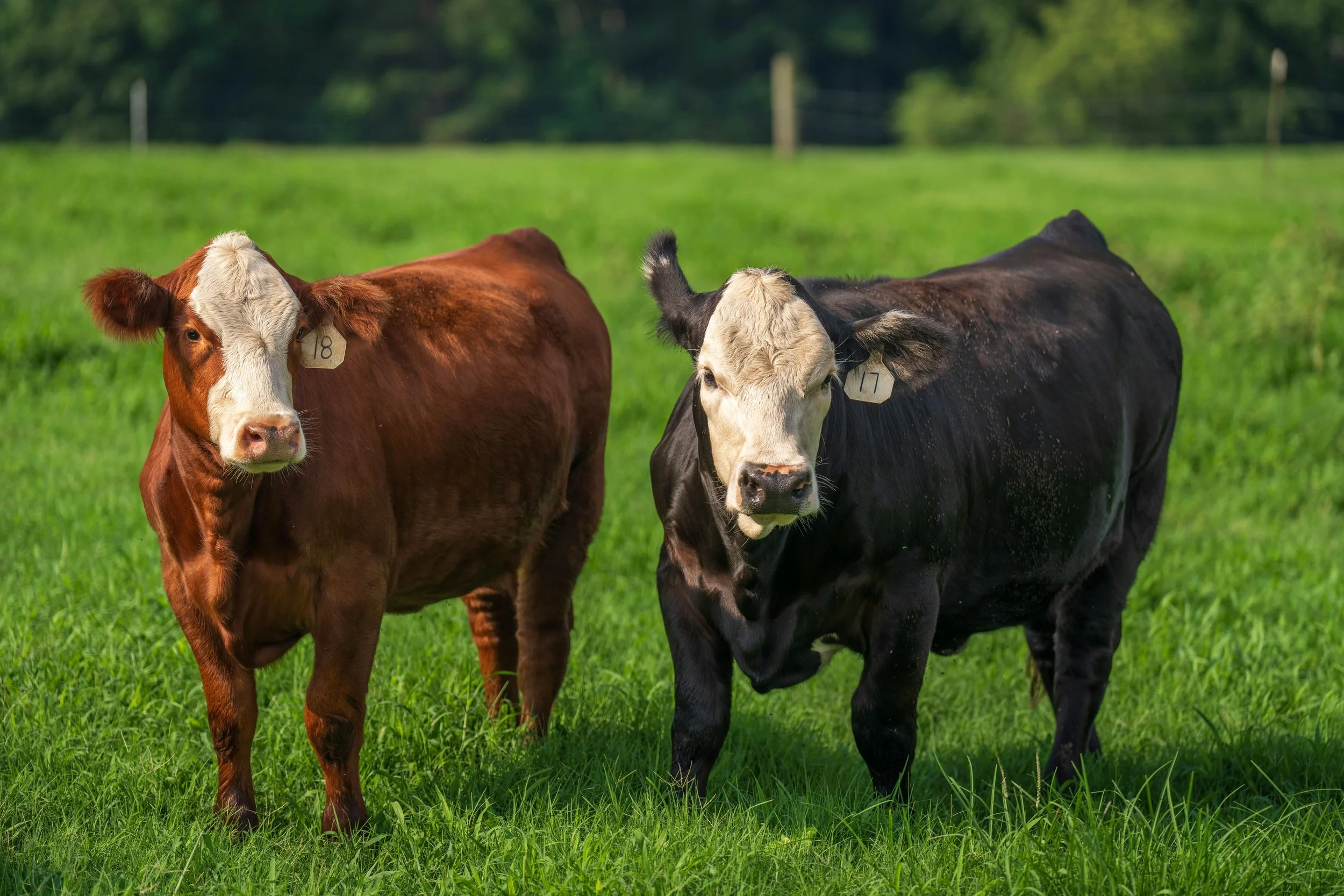
Keep cattle on the move for better pastures
A planned, adaptive grazing plan is needed by all grazers to ensure a successful grazing season that results in economical production of healthy animals.
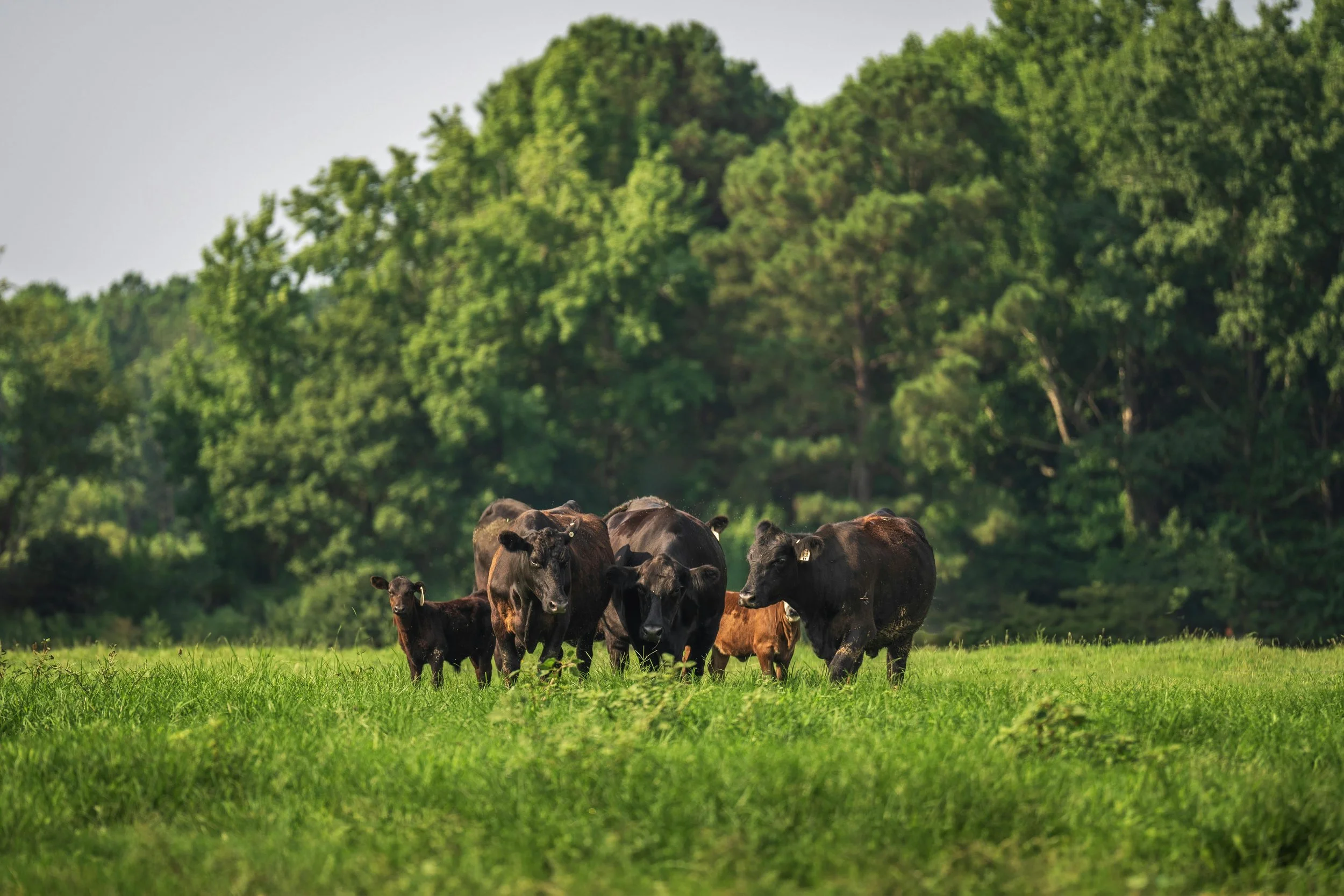
Why care about regenerative grazing?
No longer is it enough to sustain or maintain; we have to repair, rebuild, and regenerate our land to thrive in agriculture.