The advice you need to grow and graze.
Search by these popular topics
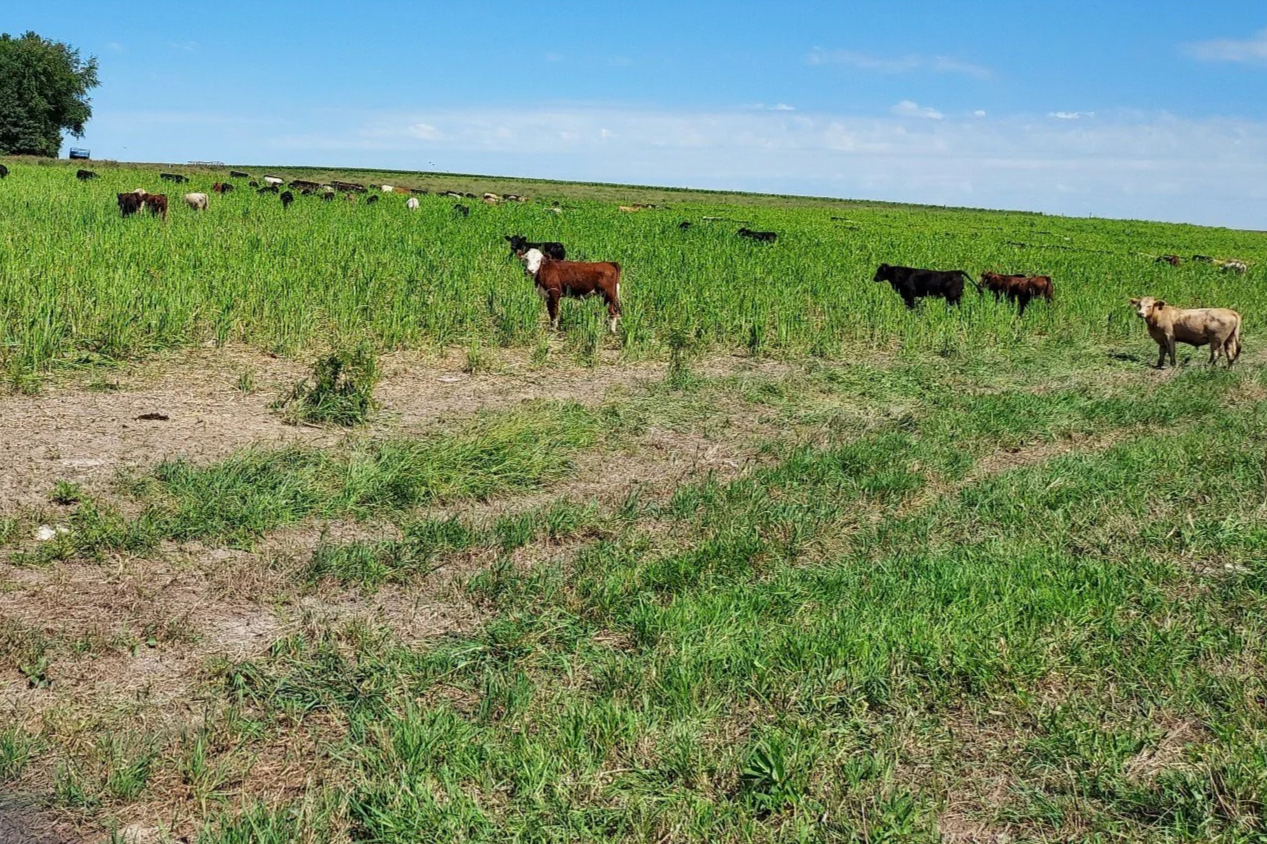
Follow these tips for transitioning row-crop ground to pasture
Converting cropland to pasture can be a challenge. The soil biology is set up to work against you at first, the establishment is often slower than you'd like, and the temptation to cut corners on the front end is real.
Life under your feet: A grazier's guide to soil biology
The biological connections under our feet — soil to plant to animal and back again — is the engine of a regenerative grazing system. A graziers job is to provide the right conditions so the boilogy in the soil can do its job.
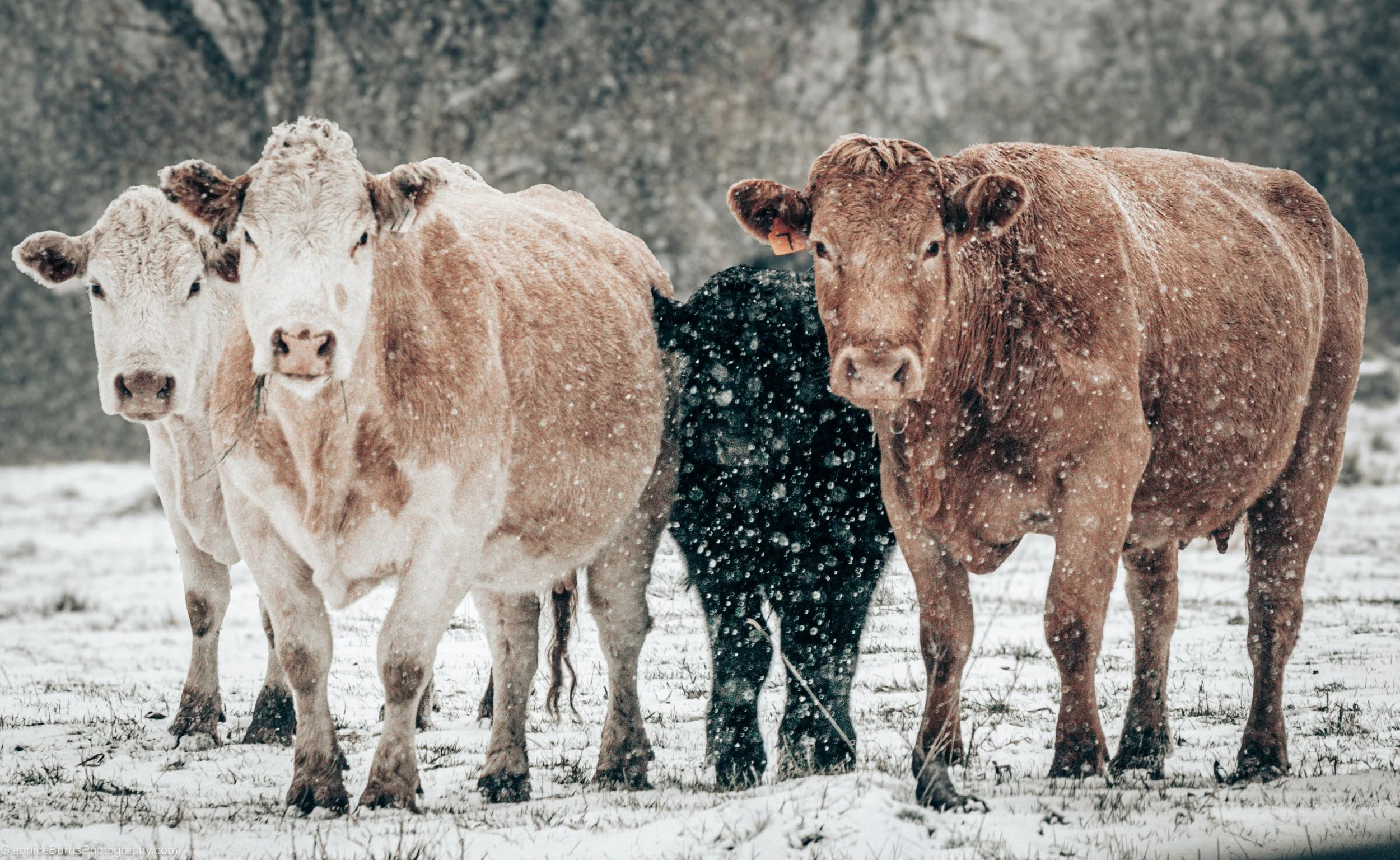
Sacrifice areas protect soil, forage, livestock health
A well-planned sacrifice area can save grazing resources, improve animal management, and support long-term pasture productivity.
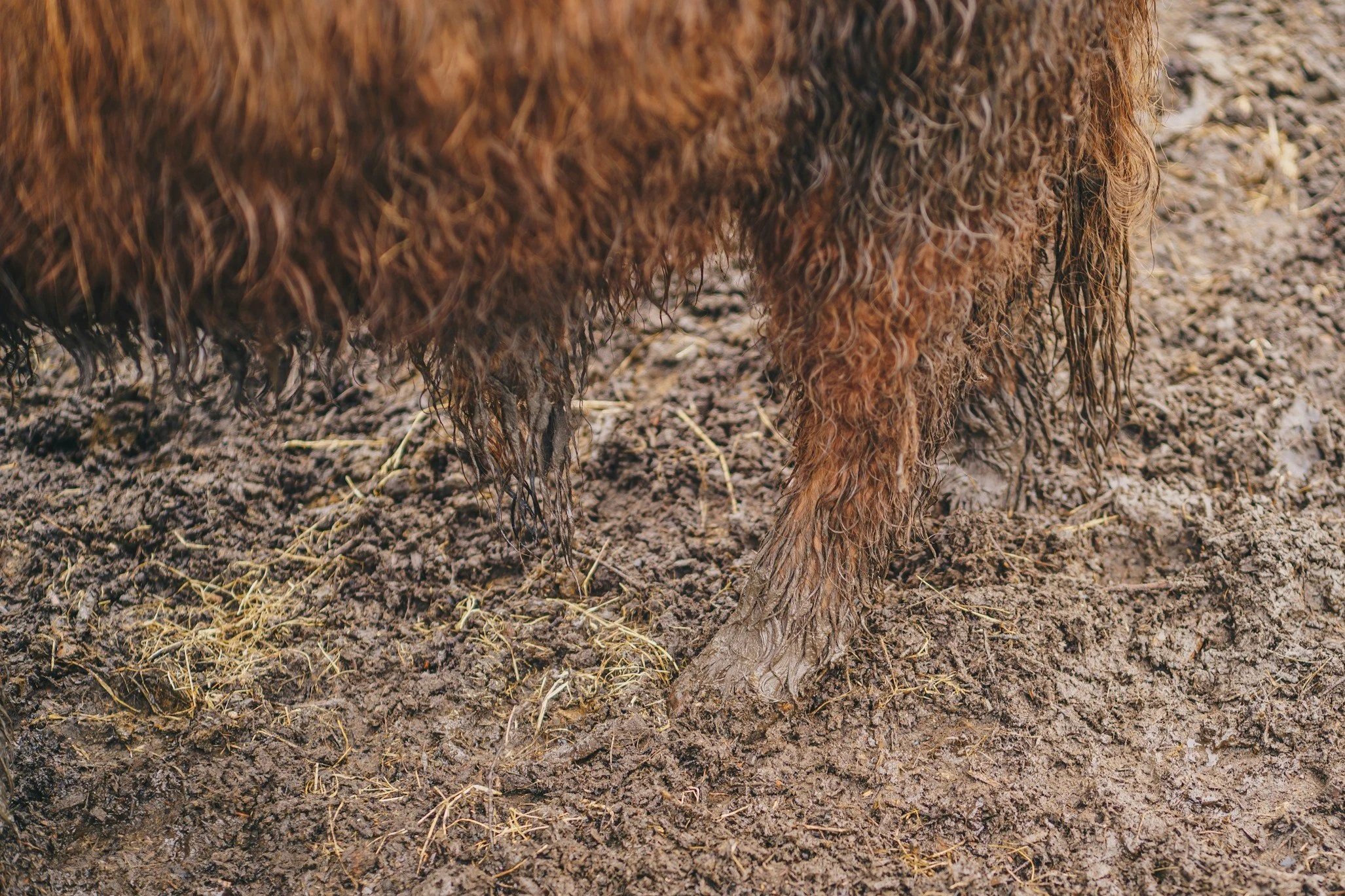
Less mud, more gain: Practical ways to manage mud
There are many uncertainties in livestock production; mud is not one of them. Managing mud effectively can reduce health risks for livestock and improve soil health.
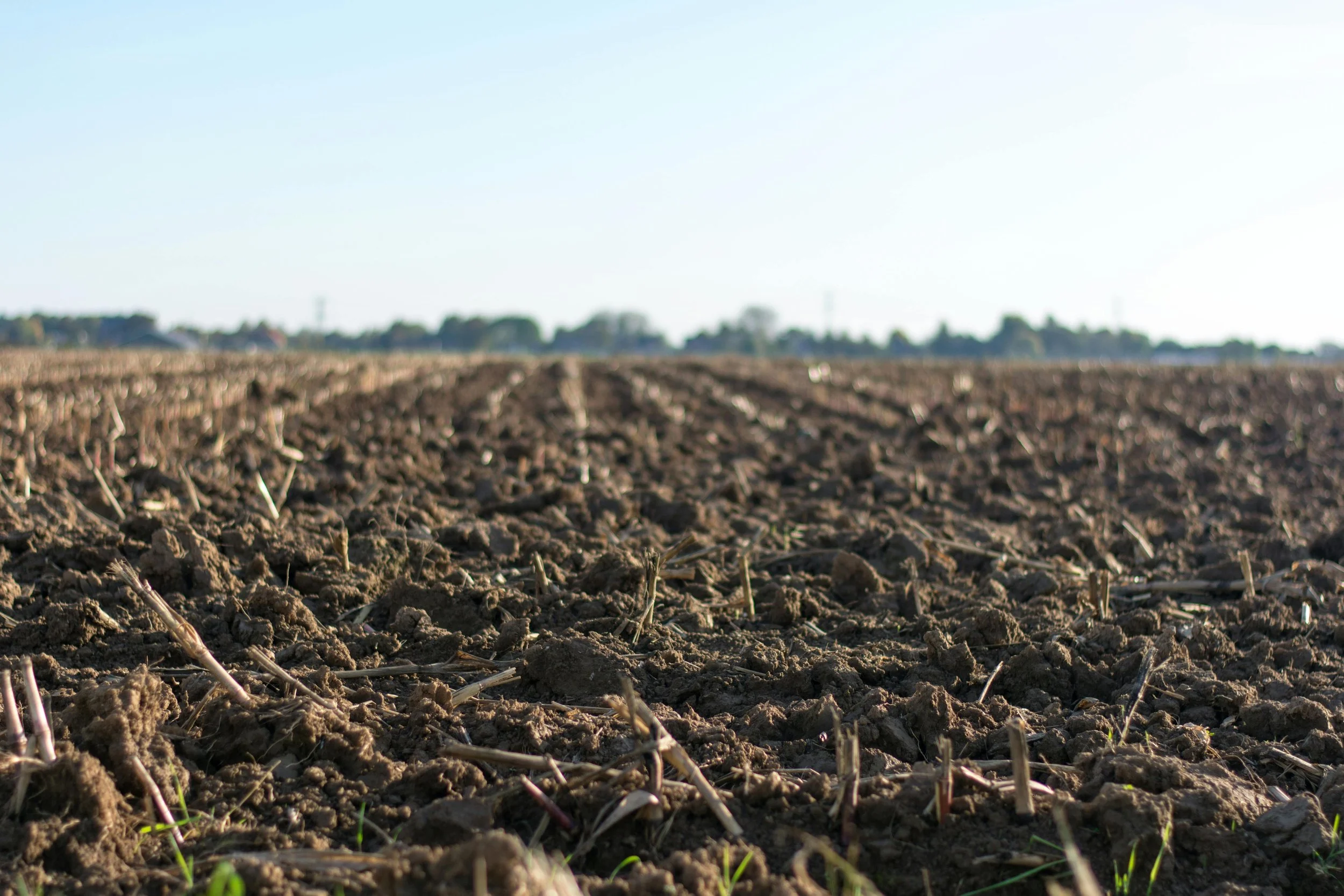
Drought’s impact on soil testing
Dry soils can affect soil test results causing inaccurate results and inaccurate fertility application. When possible, wait for rain before taking those samples.
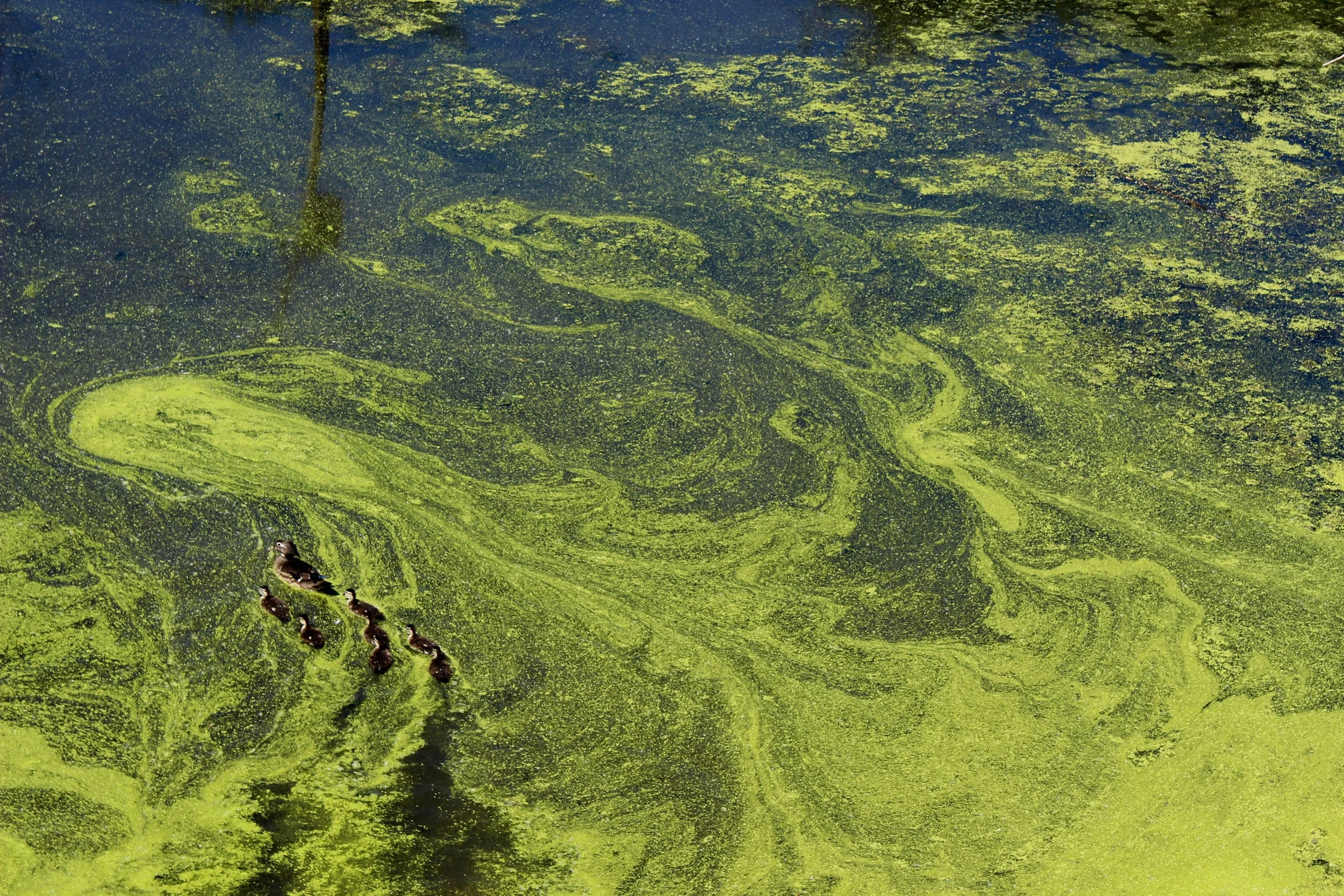
Check pasture ponds for blue-green algae risk
Ponds and other water sources contaminated with blue-green algae may create serious health issues for livestock, as well as humans.

Healthy soils limit pasture weeds
One way to control pasture weeds is to ensure they never have the opportunity to grow.
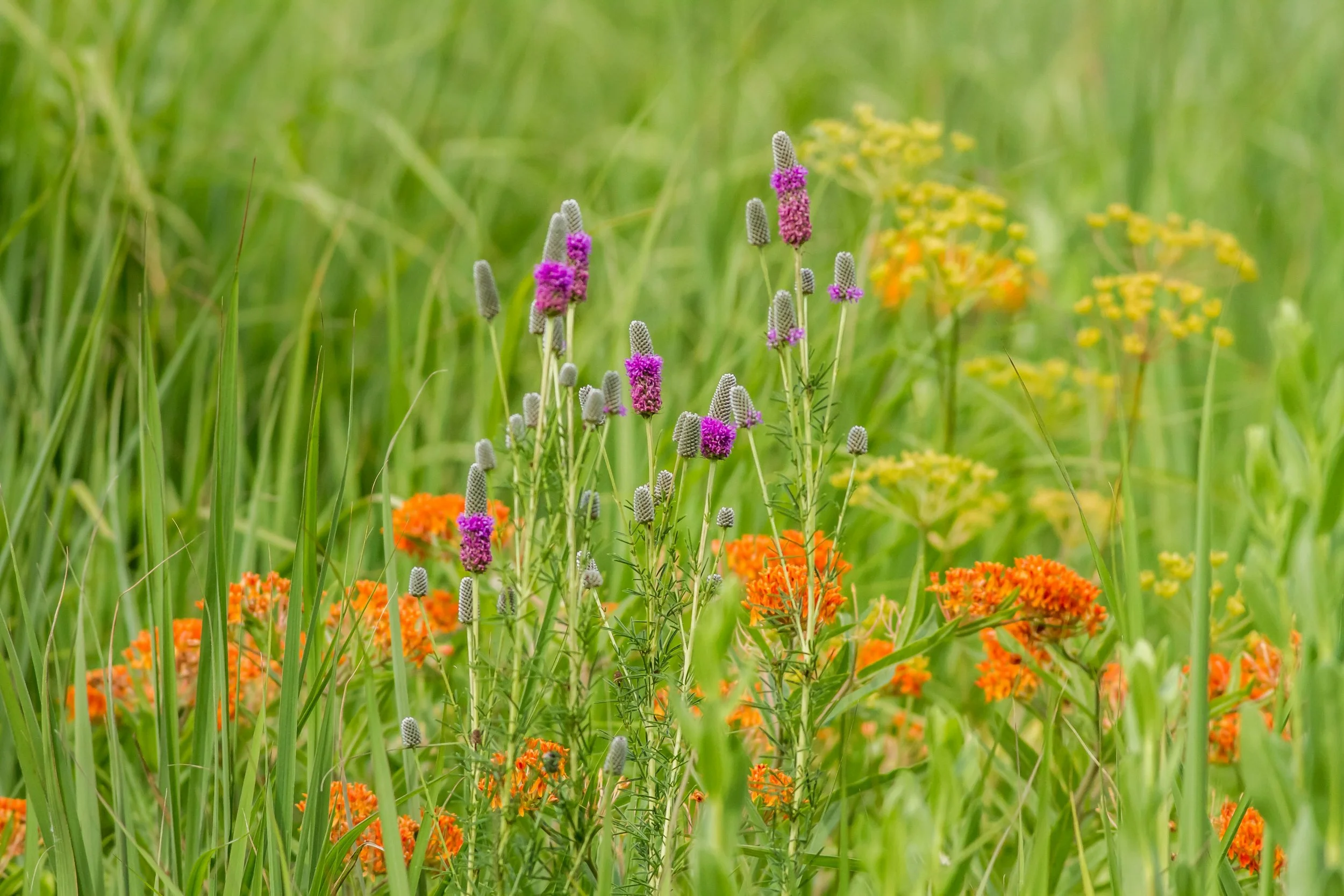
Restoring prairie in ‘the prairie state’
It’s nearly impossible to find prairie in “The Prairie State.”
Why care about regenerative grazing?
No longer is it enough to sustain or maintain; we have to repair, rebuild, and regenerate our land to thrive in agriculture.