Less mud, more gain: Practical ways to manage mud
There are many uncertainties in livestock production; mud is not one of them. Managing mud effectively can reduce health risks for livestock and improve soil health.
Health risks of mud for livestock
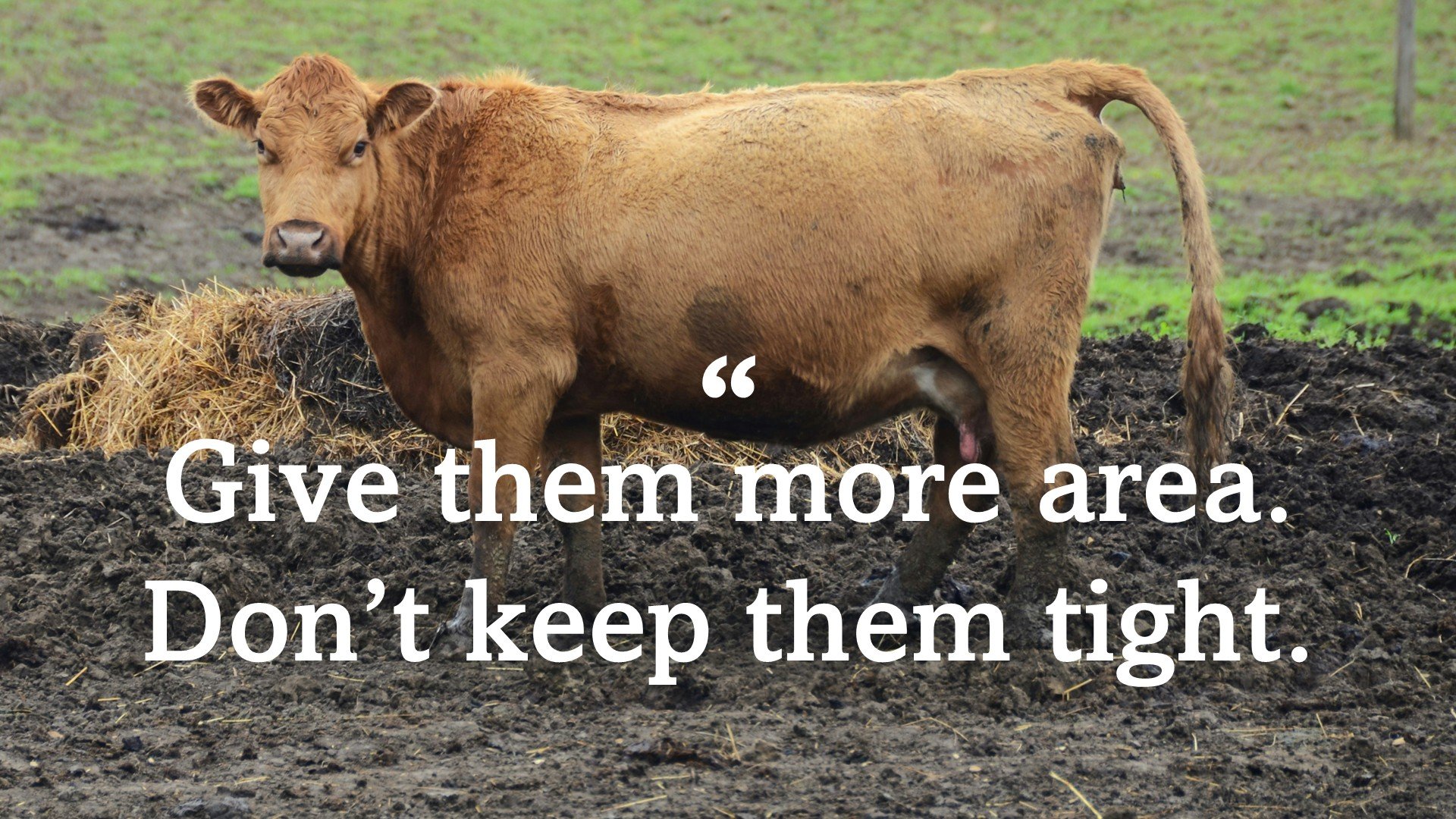
Energy consumption: Energy requirements of cattle navigating mud increases the more mud they have to fight. Travis Meteer, Illinois Extension beef specialist, estimates that cattle face a 14% loss of gain walking in shin-deep mud and up to 28% loss in hock-deep mud.
Foot rot: Wet conditions break down the skin around the hoof, Meteer says, creating opportunity for infection. Look out for swelling and lameness as a sign of foot rot.
Naval infections: Naval infections for calves can lead to fever, lethargy, lameness, diarrhea, cloudy eyes, and death. Infection can impact the liver, lungs, joints, kidneys, and brains, says Bob Larson, DVM, Kansas State University.
Immune system attack: Wet, muddy hair loses its insulation value, says Zac Carlson, North Dakota State University Extension beef cattle specialist. When cattle are chilled, “this stress can inhibit the immune system, making animals more susceptible to disease.
Mud’s impact on soil
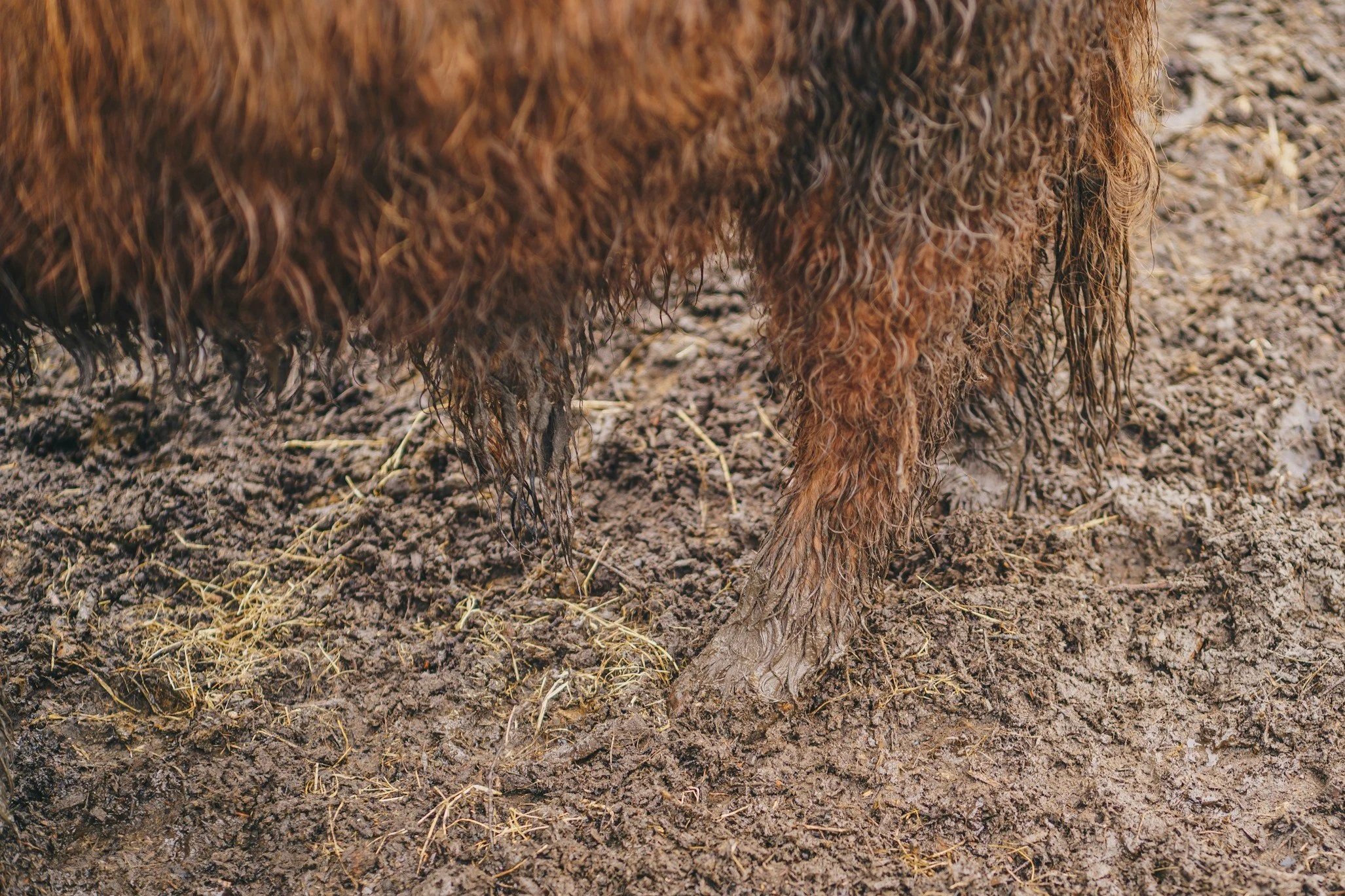
“Producers need to be thinking about not only mud’s impact on the animal, but on the land itself,” says David Kleinschmidt of Progressive Agronomy Consulting Services in Vandalia. “It’s not the first hoofprint that’s the problem; it’s the 10th and 20th and 30th and 100th that goes in the same track that becomes a problem.”
“Allowing livestock to graze wet pastures can crush and bruise plants while damaging soil structure,” states a Clemson Extension article.
“Treading damage from grazing livestock exposes bare soil, increases compaction, and reduces soil infiltration rates. Compaction in the soil further reduces plant and root growth, the water-holding capacity of the soil, and infiltration rates compounding the poor drainage issues in the pasture. Bare soil also increases the risk of erosion and nutrient run-off.”
In studies, wet winter tread damage resulted in a 50% to 64% reduction in spring pasture productivity.
Strategies for dealing with mud
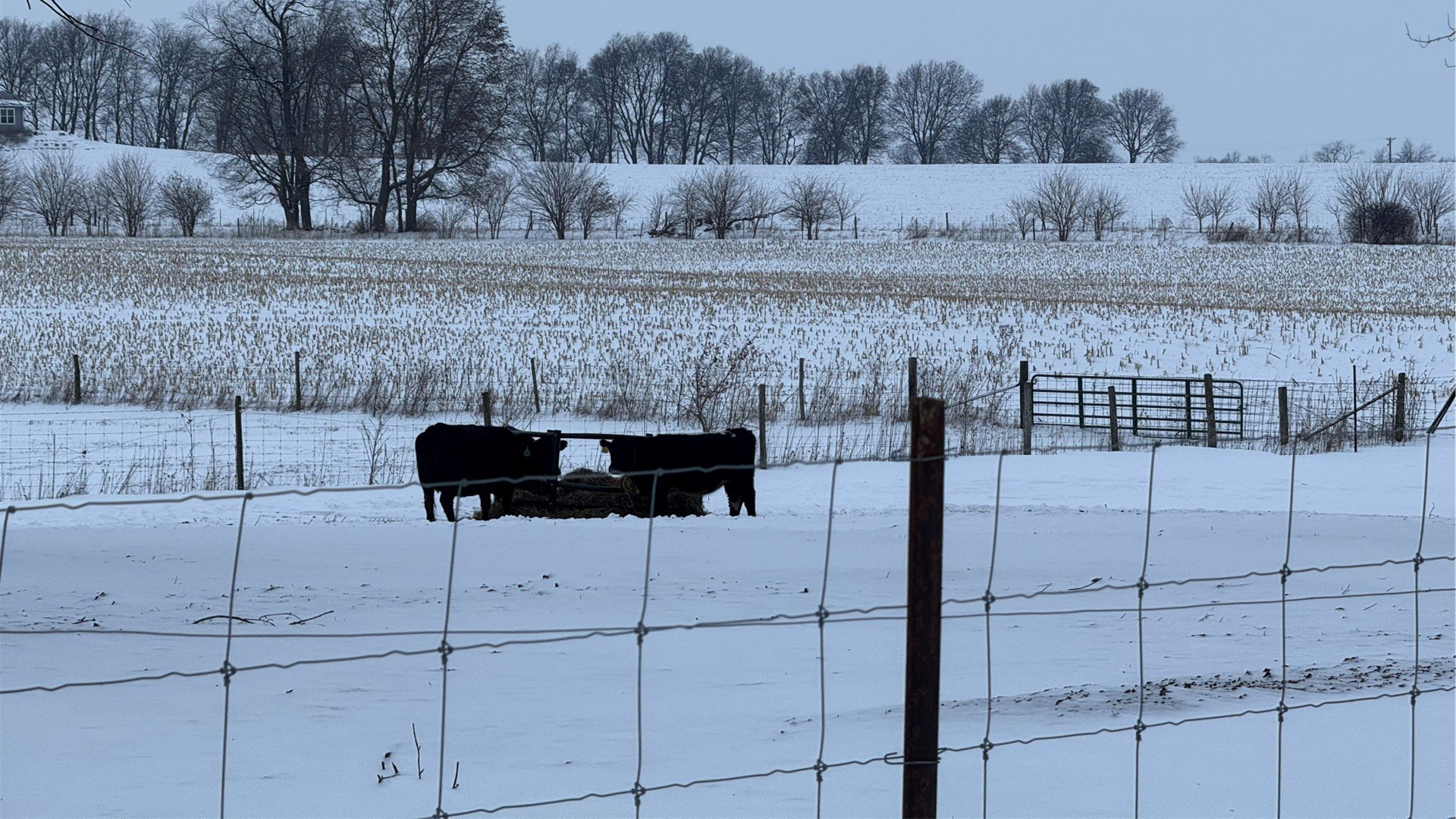
Rotate paddocks more frequently: Move cattle quickly across paddocks, whether corn stalks or pasture, to reduce creating sloppy trails and compacted areas. Incorporating a rotational grazing system will allow for higher stubble heights for grasses, better overall ground cover, and greater absorptive abilities,” says Leanna Duppstadt and Zachary Curtis, Penn State Extension. As mud becomes more problematic, rotate paddocks more frequently to discourage soil disturbance.
Increase the space per head: When strip grazing, give cattle more room than you might normally provide.
“We spread them out when it gets muddy,” says Dan Sanderson of Pasture Grazed Regenerative Farm. “And if we can’t for whatever reason, we do have a cement lot we use until it firms up a bit.”Spread wood chips around high-traffic areas: Add wood chips, gravel, limestone or even concrete pads around permanent water sources to reduce the mud in these communal gathering spots. NRCS’s EQIP program provides assistance for installing practices that improve mud control.
Distribute feed placement: Spreading out where you place hay bales or unroll hay reduces repeated hoof traffic to the same area. Virtual fencing or polywire fencing allows for easier movement of livestock for distributed feeding.
Move livestock to sacrifice areas: To save the health and productivity of pastures or cropland, you may need to sacrifice a small area to keep livestock when soils are saturated.
You May Also Enjoy this Blog on Sacrifice Areas
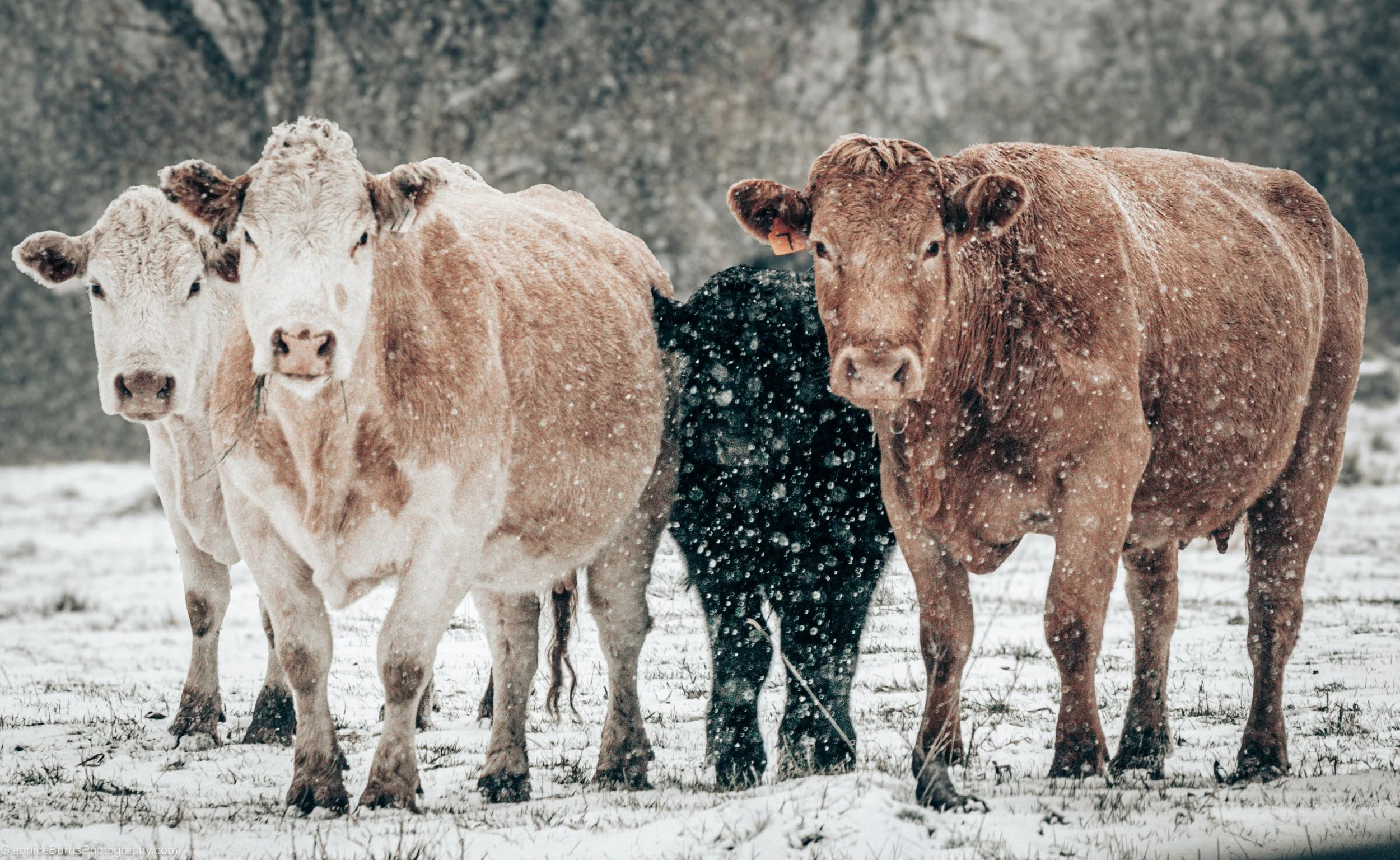
A well-planned sacrifice area can save grazing resources, improve animal management, and support long-term pasture productivity.
Dig Deeper into Mud
Managing Mud on Cattle Farms, Travis Meteer, Illinois Extension
Tips for managing muddy conditions, Beef Magazine
Mud, Forages, and Livestock Health, Pennsylvania Extension
Navel Infection, Beef Cattle Institute, Kansas State University
Mud Management for South Carolina Livestock Farmers, Clemson Extension
Pasture Sacrifice Areas, Washington State University Extension
Tackling Winter Livestock Grazing Challenges, Grazing and Forage Hub