Tile drainage transforms agroecosystems through soil oxygen
RELEASE PROVIDED — A new study from the Agroecosystem Sustainability Center at University of Illinois Urbana-Champaign provides one of the most comprehensive explanation to date of how tile drainage, a common agricultural practice, enhances the functioning of agricultural landscapes.
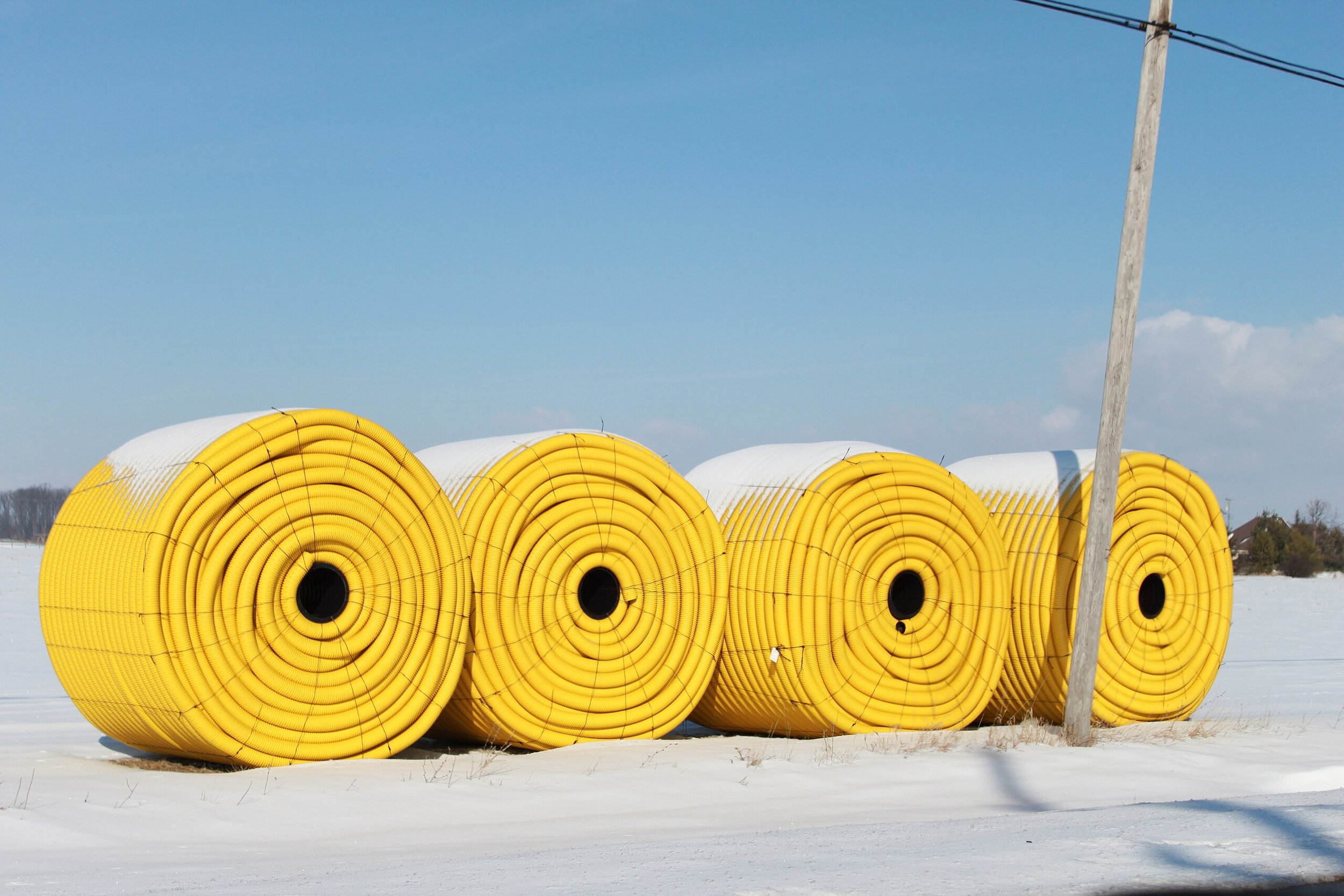
The study pinpoints soil oxygen dynamics as the critical, hidden mediator that is pivotal for drainage impacts on crop growth, soil health, and crop resilience.
Benefits of tile drainage extend far beyond simply removing excess water from fields.
Tile drainage fundamentally alters soil hydrology by reducing soil water content, which then enhances soil oxygenation.
These hydrological impacts have complex effects on soil biogeochemistry and plant biology. For example, the improved aerobic condition alleviates crop oxygen stress during wet springs, which, in turn, promotes early crop root growth.
The increase in oxygen availability also stimulates microbial activity, which accelerates the decomposition of organic matter and nutrient cycling.
The key findings of the study include:
Soil oxygen as the key controlling factor: By removing excess water, tile drainage actively oxygenates the soil. The improved aerobic environment results in a range of soil health benefits.
Stronger root development: Improved soil oxygen levels during wet springs alleviate stress on crop roots, allowing them to respire and grow more efficiently. This leads to the development of denser and deeper root systems.
Accelerated nutrient cycling: Higher oxygen levels stimulate microbial activity, which accelerates organic matter turnover and increases nutrient availability for crops.
Water quality trade-off: The study also confirmed that tile drainage can lead to increased leaching of soil nitrogen into waterways, highlighting the need for paired conservation practices to protect water quali
“By reducing oxygen stress in the root zone, the plants have greater ability to establish a resilient foundation for the entire growing season.”
Read the full release from University of Illinois ASC.
Dig Deeper into Tile Drainage
The paper, “Soil oxygen dynamics: a key mediator of tile drainage impacts on coupled hydrological, biogeochemical, and crop systems,” is published in Hydrology and Earth System Sciences [DOI: 10.5194/hess-29-6393-2025]. The work was supported by the National Science Foundation, the U.S. Department of Agriculture, the Foundation for Food & Agriculture Research, and the U.S. Department of Energy.
Author: Jessica Till
About the Agroecosystem Sustainability Center: The Agroecosystem Sustainability Center was founded in 2021 to lead global efforts in harmonizing sustainable food production with thriving ecosystems. The Center strives to revolutionize agricultural systems through research, collaboration, and engagement, bridging science and practice for agricultural productivity and ecosystem sustainability. Centered in the heart of Midwest on the campus of the University of Illinois Urbana-Champaign under the umbrella of both the College of Agriculture, and Environmental Sciences (ACES) and the Institute of Sustainability, Energy, and the Environment (iSEE), ASC is positioned at the critical intersection of academia, industry, policy, and on-the-ground practice. ASC is creating a diverse and dynamic hub for driving change and is committed to transforming its research into practical and scalable solutions, fortifying our ecosystems, bolstering farm profitability, and empowering agricultural systems to proactively mitigate and adapt to the realities of climate change.