The advice you need to grow and graze.
Search by these popular topics
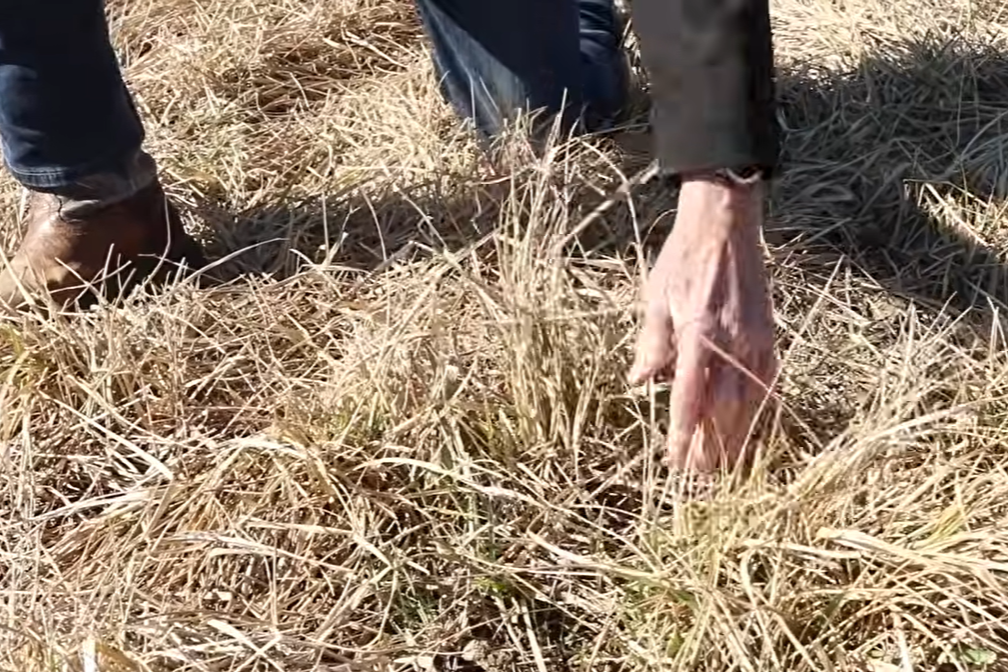
Time to hold off those pastures
Stockpiling is the process of allowing forage in perennial pastures to grow in late summer and fall without being grazed or harvested as hay.
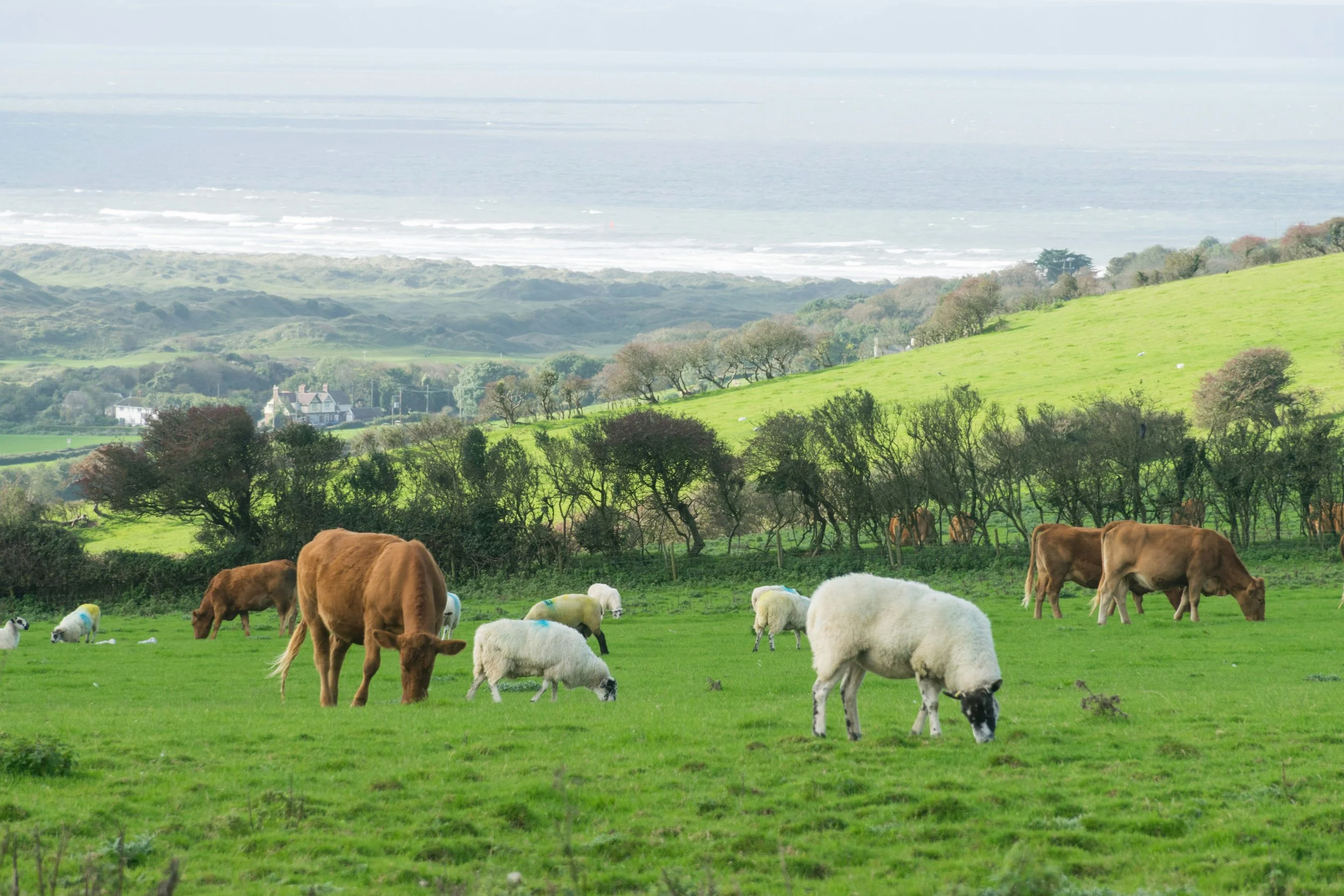
Multispecies grazing: A golden opportunity
Grazing multiple species can improve soil health by distributing manure, reduce soil compaction from hoof action, reduce the need for herbicides, and improve available nutritional forage by eliminating unwanted or invasive plants.
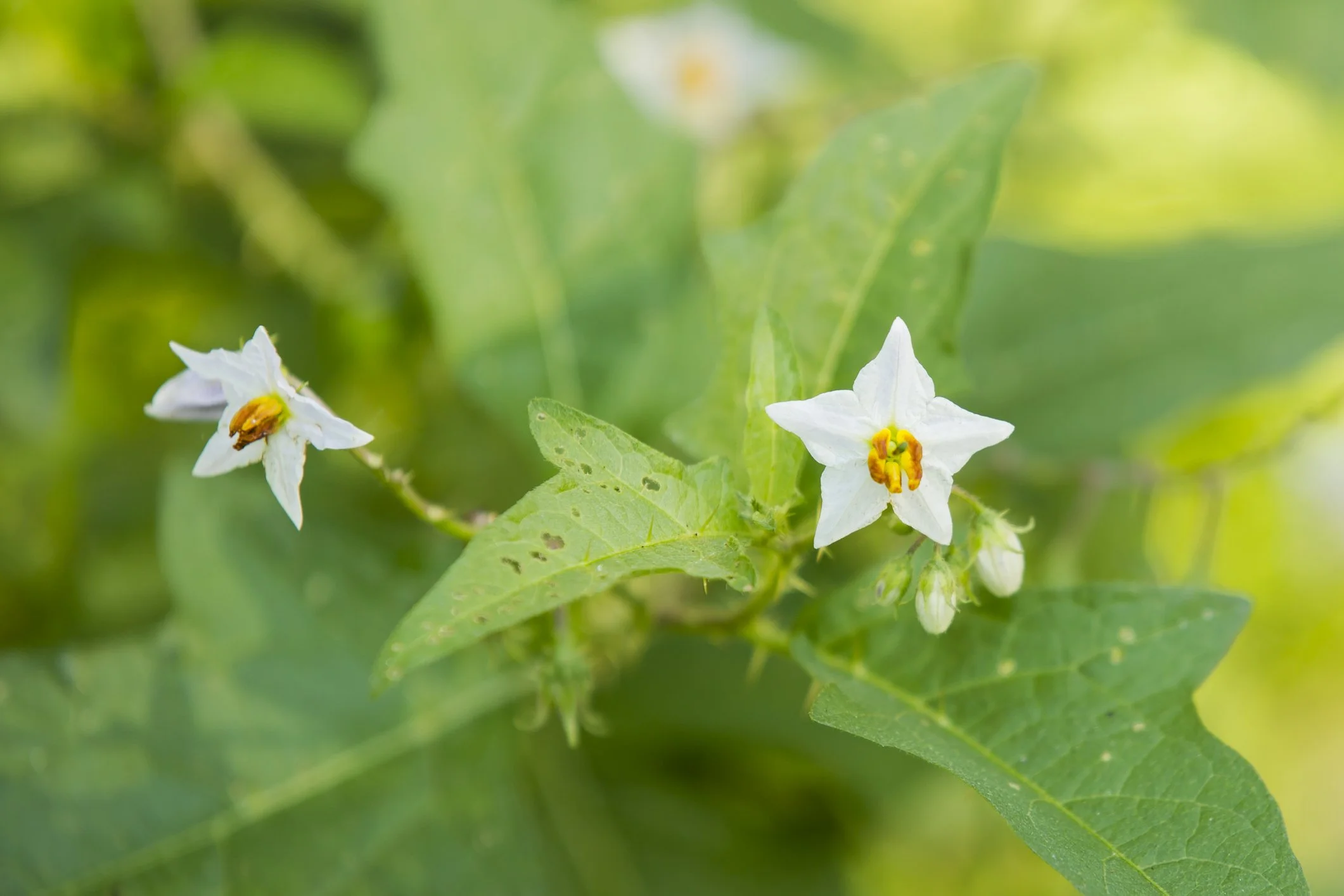
Your weeds are telling you something
Weeds have a way of making producers feel like they're losing a battle. But what if those plants were actually trying to tell you something useful?
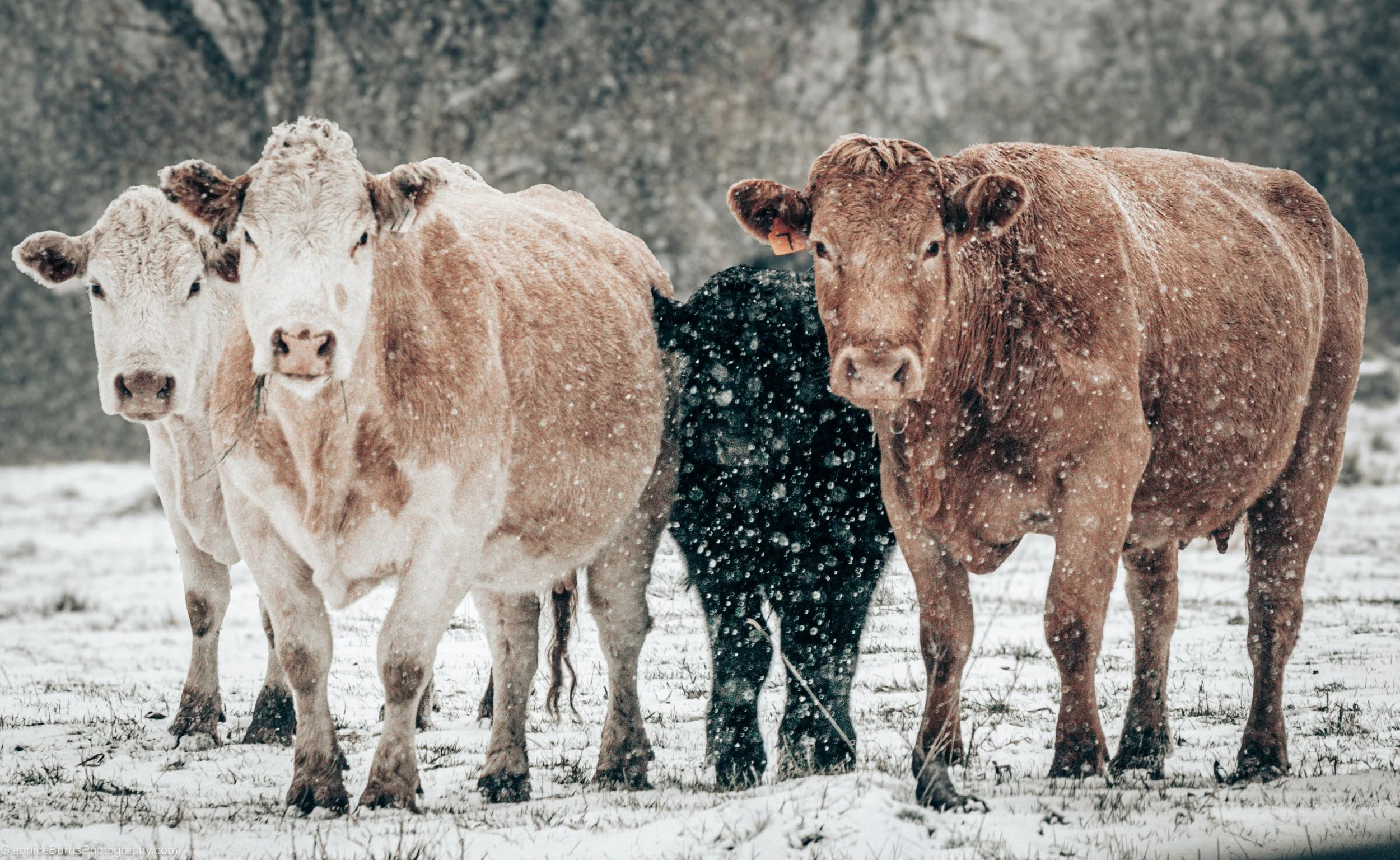
Sacrifice areas protect soil, forage, livestock health
A well-planned sacrifice area can save grazing resources, improve animal management, and support long-term pasture productivity.
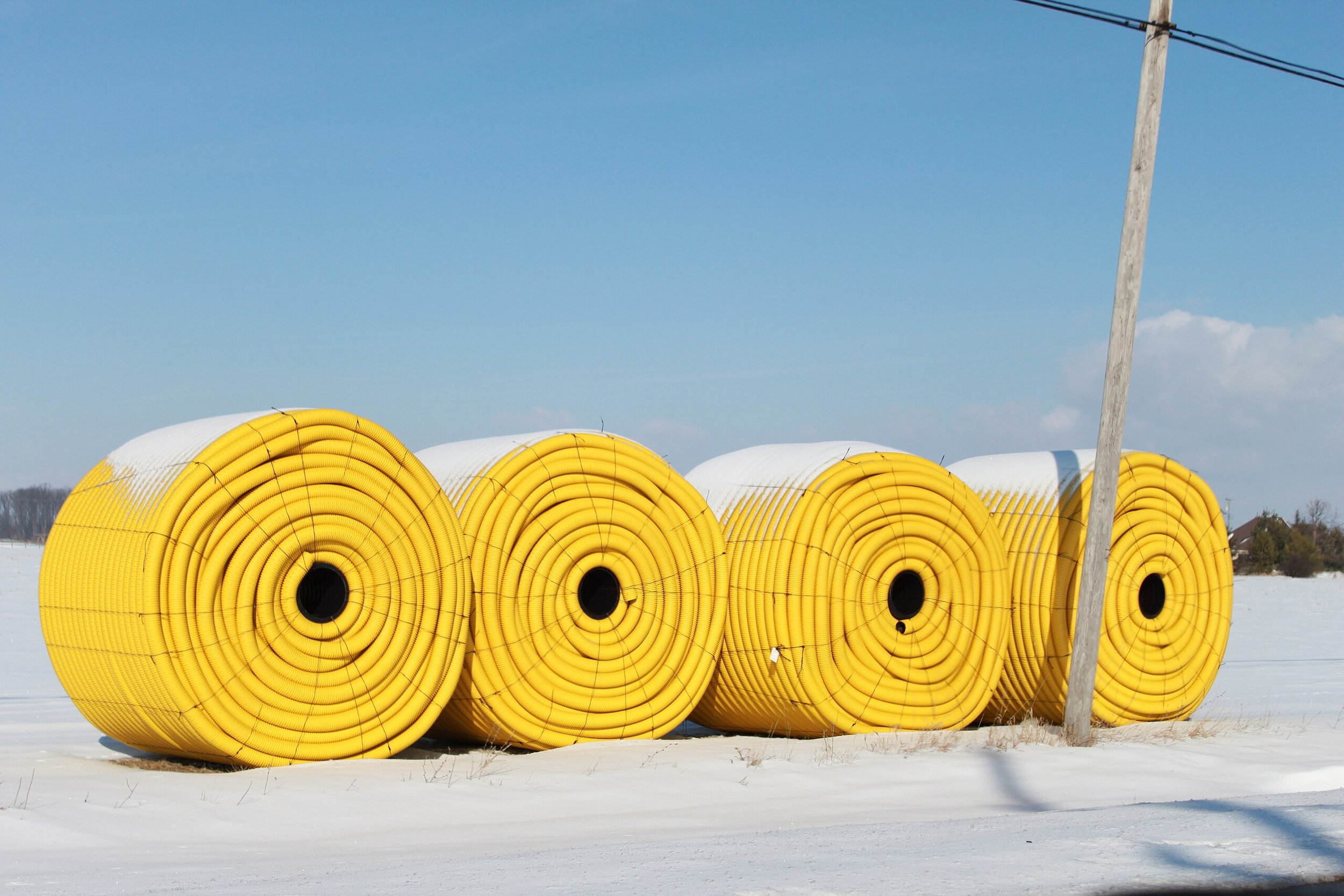
Tile drainage transforms agroecosystems through soil oxygen
Benefits of tile drainage extend far beyond simply removing excess water from fields. Tile drainage fundamentally alters soil hydrology by reducing soil water content, which then enhances soil oxygenation.
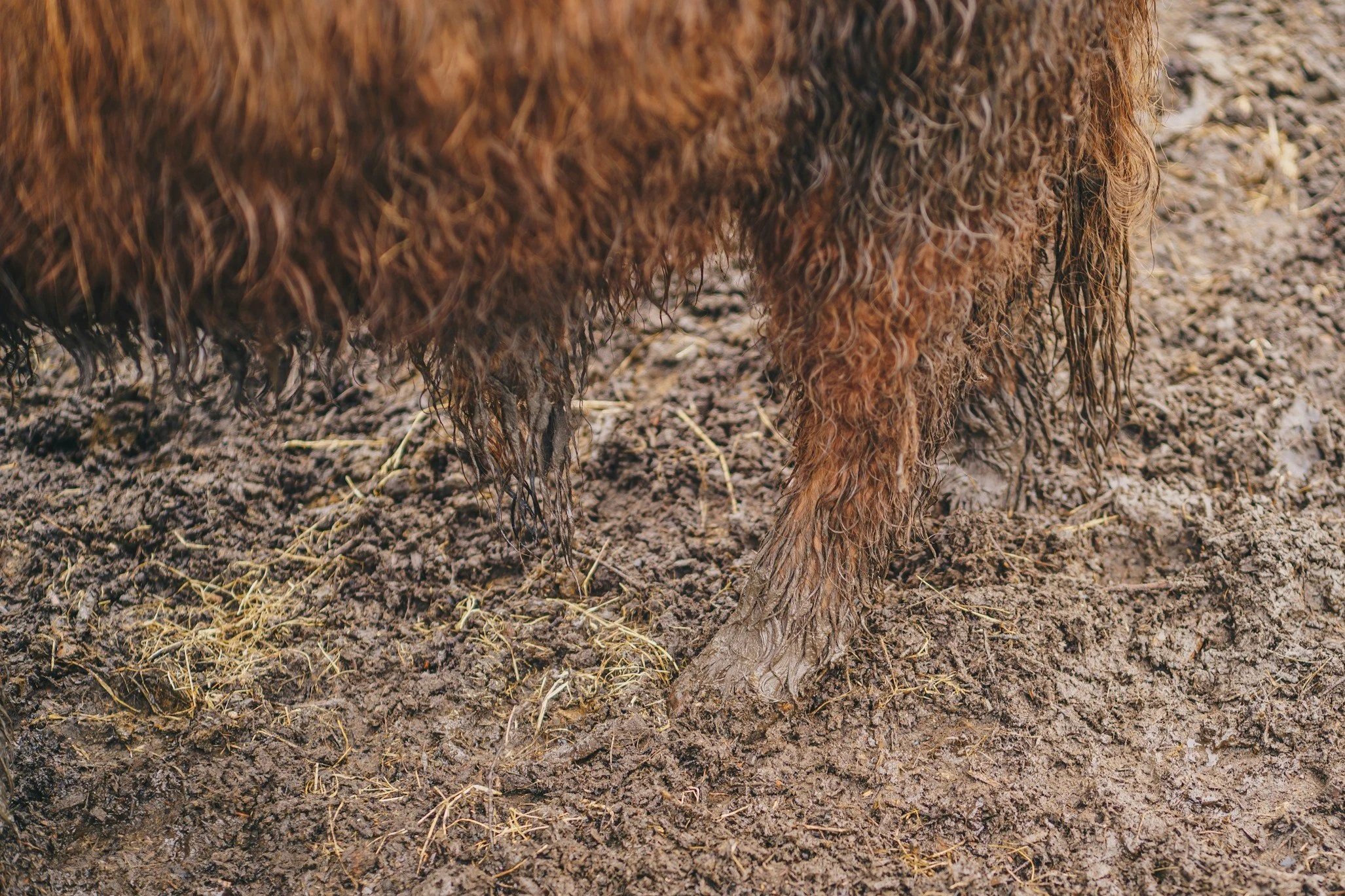
Less mud, more gain: Practical ways to manage mud
There are many uncertainties in livestock production; mud is not one of them. Managing mud effectively can reduce health risks for livestock and improve soil health.
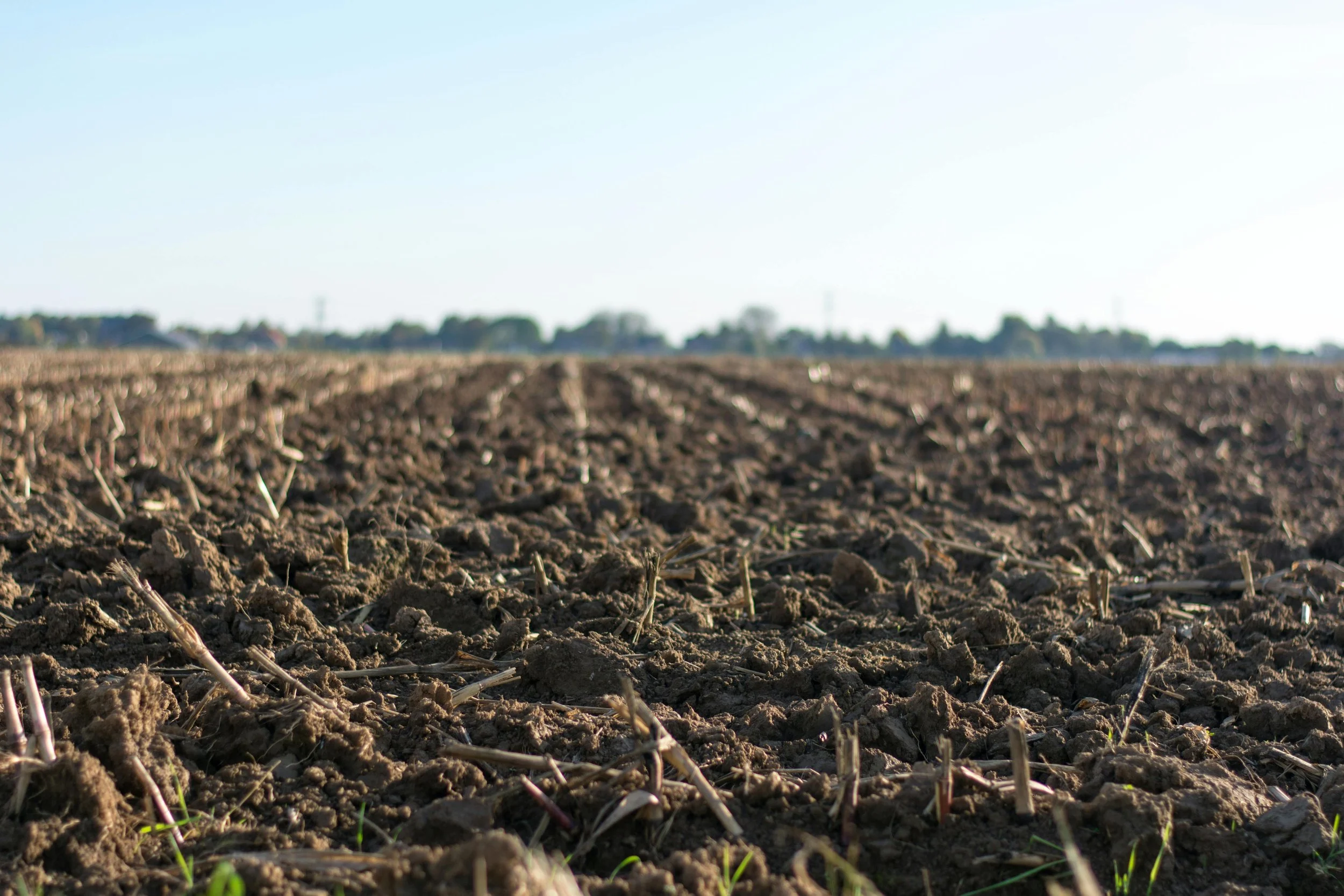
Drought’s impact on soil testing
Dry soils can affect soil test results causing inaccurate results and inaccurate fertility application. When possible, wait for rain before taking those samples.
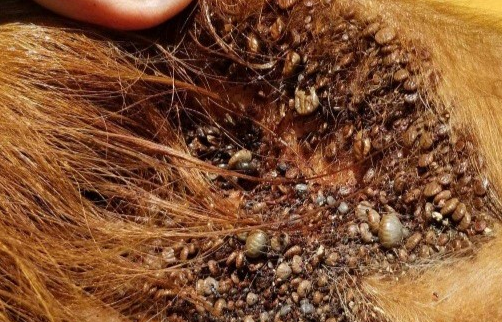
Illinois livestock at risk from invasive new tick
The Asian longhorned tick has found its way to Illinois, bringing potential health risks for livestock, pets, and people with it. Teresa Steckler warns producers to inspect their livestock carefully.
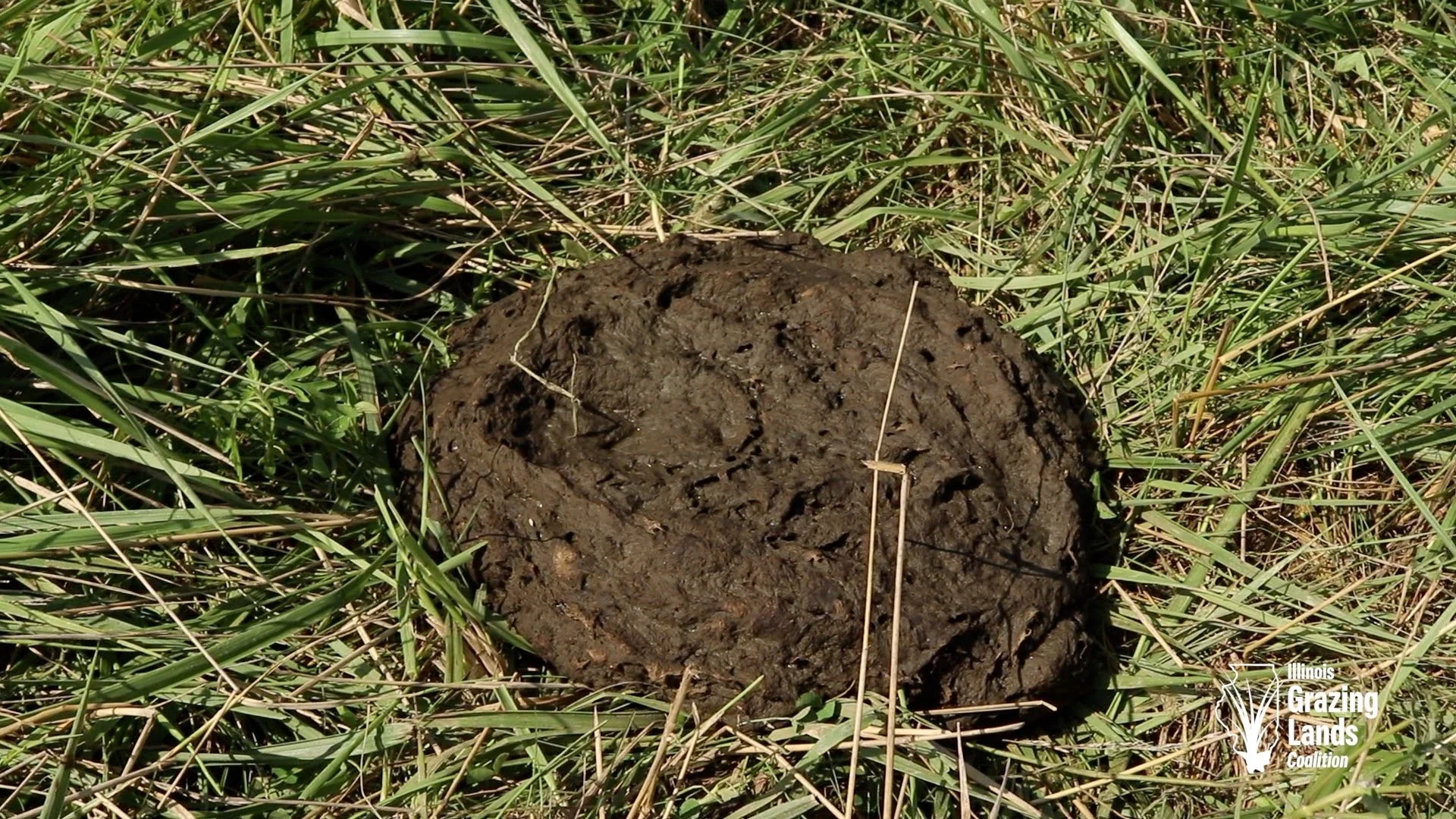
Yes, there is a perfect pile of manure
There’s a lot you can learn from a cow pie. The shape and consistency of the manure pile is an indicator of the cow’s nutritional intake and conversion. What is your pile telling you?