The advice you need to grow and graze.
Search by these popular topics
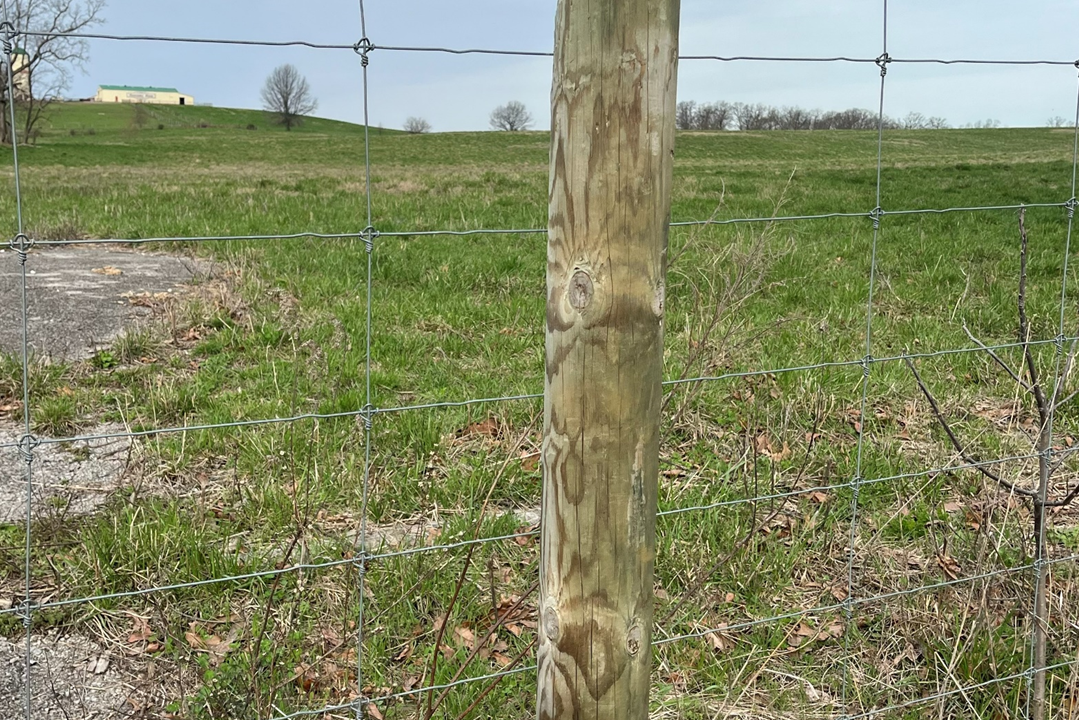
Choose the right fence for your grazing system
Choosing the right fencing for a managed grazing system shapes what your operation can do for years to come.
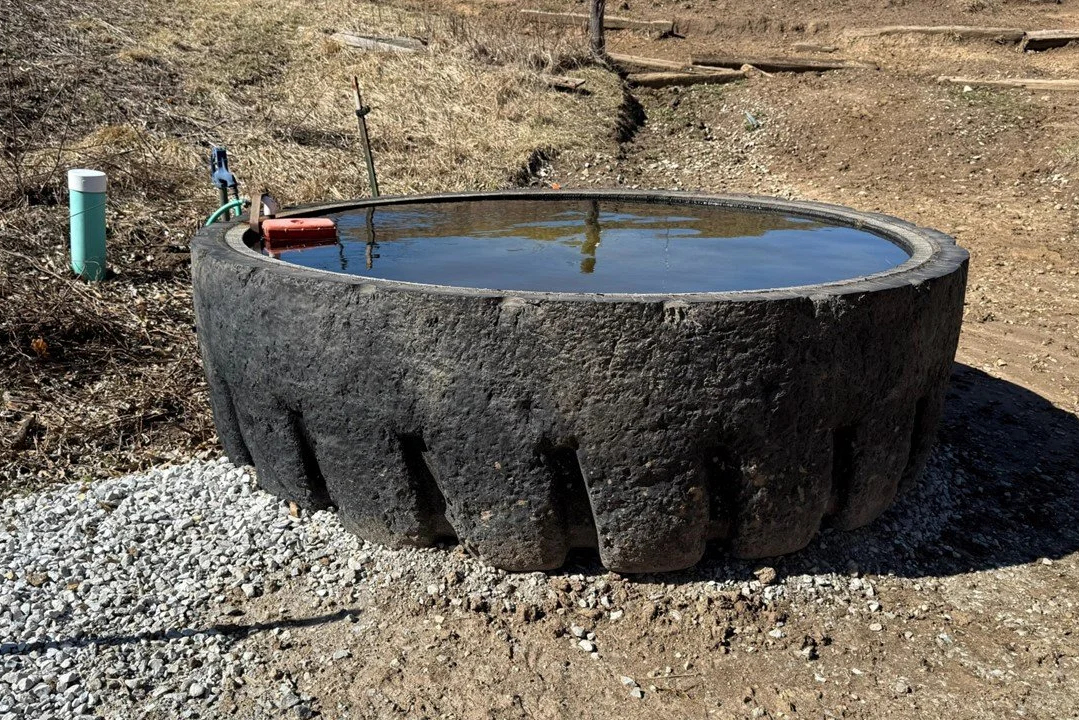
Establishing water systems for rotational grazing
Water infrastructure is one of the most common limiting factors in a managed grazing system — and one of the most frequently underbuilt.
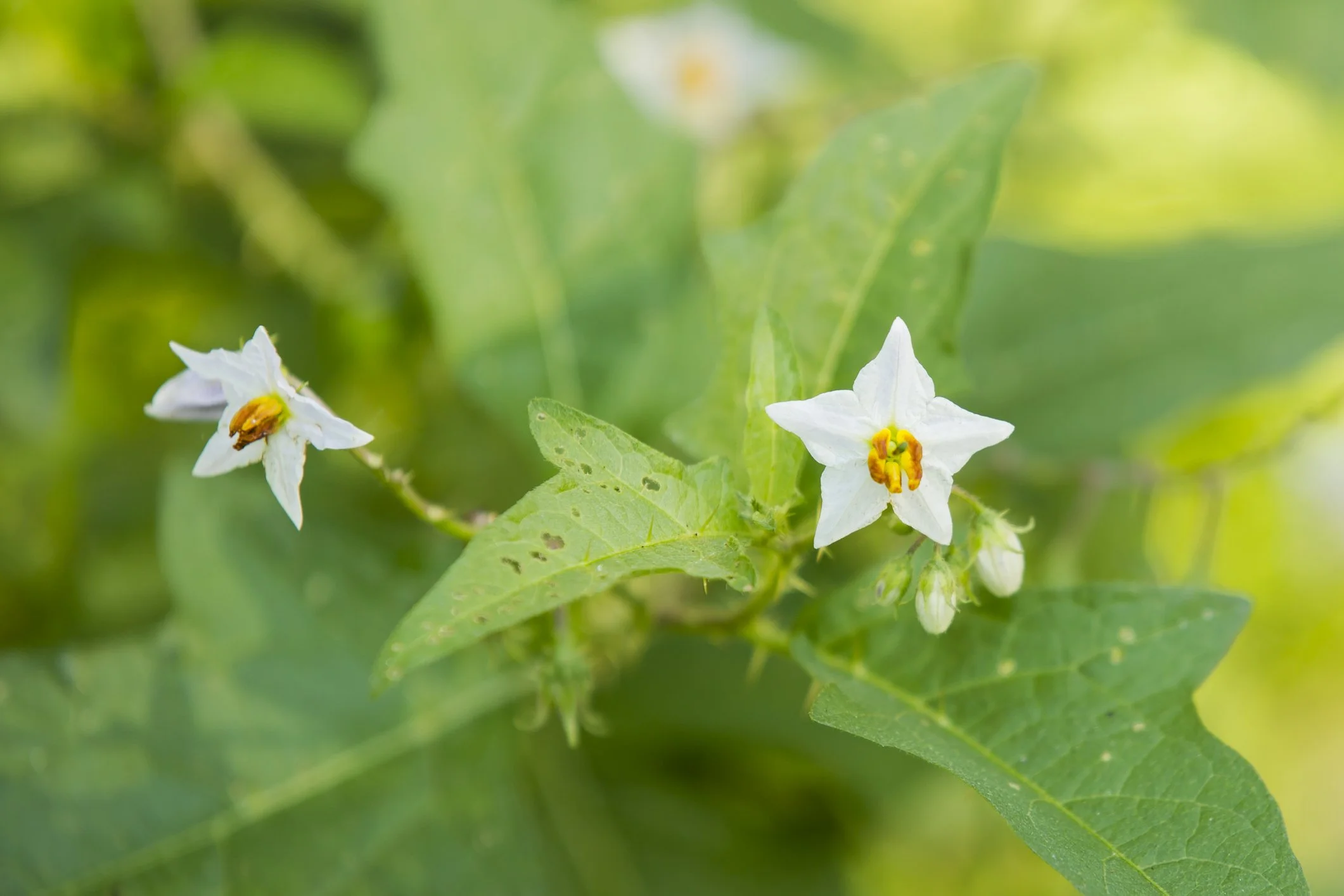
Your weeds are telling you something
Weeds have a way of making producers feel like they're losing a battle. But what if those plants were actually trying to tell you something useful?
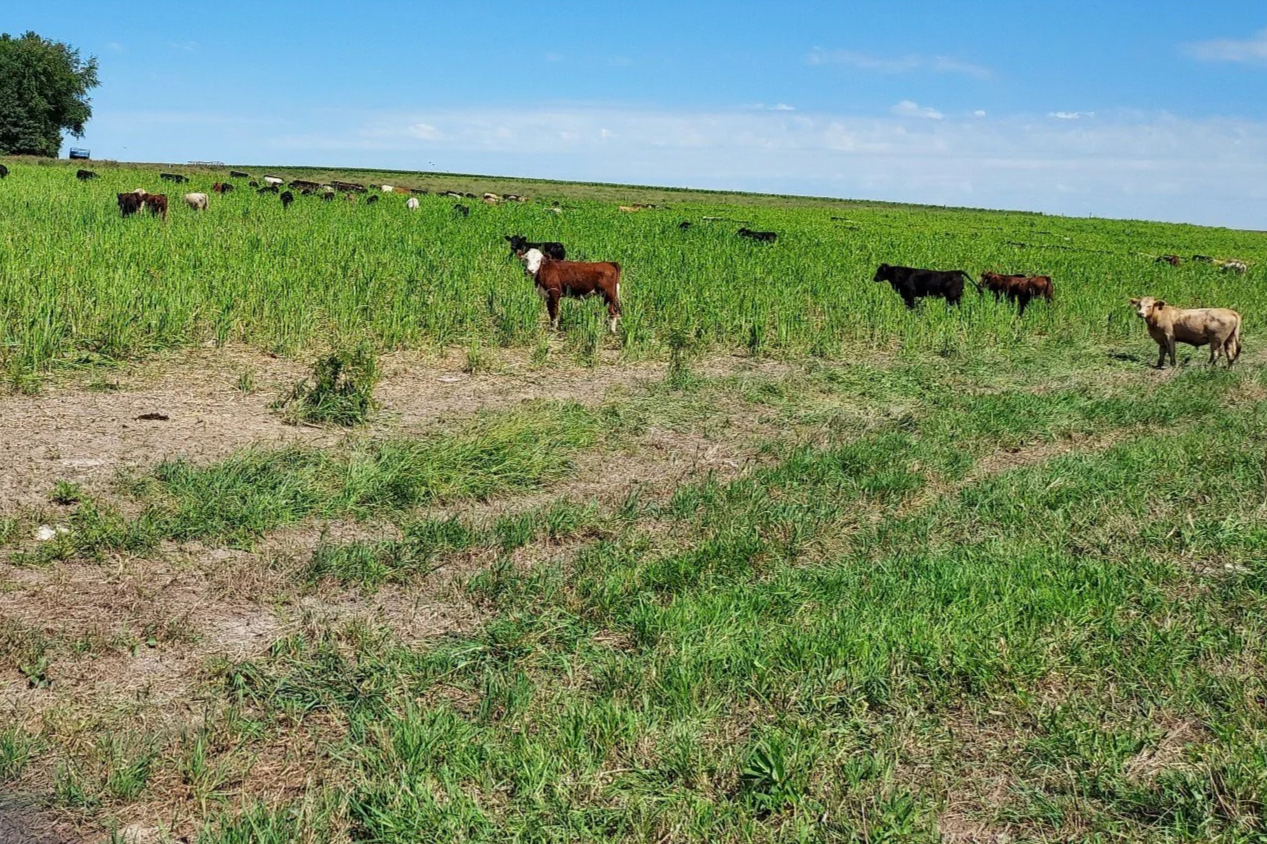
Follow these tips for transitioning row-crop ground to pasture
Converting cropland to pasture can be a challenge. The soil biology is set up to work against you at first, the establishment is often slower than you'd like, and the temptation to cut corners on the front end is real.
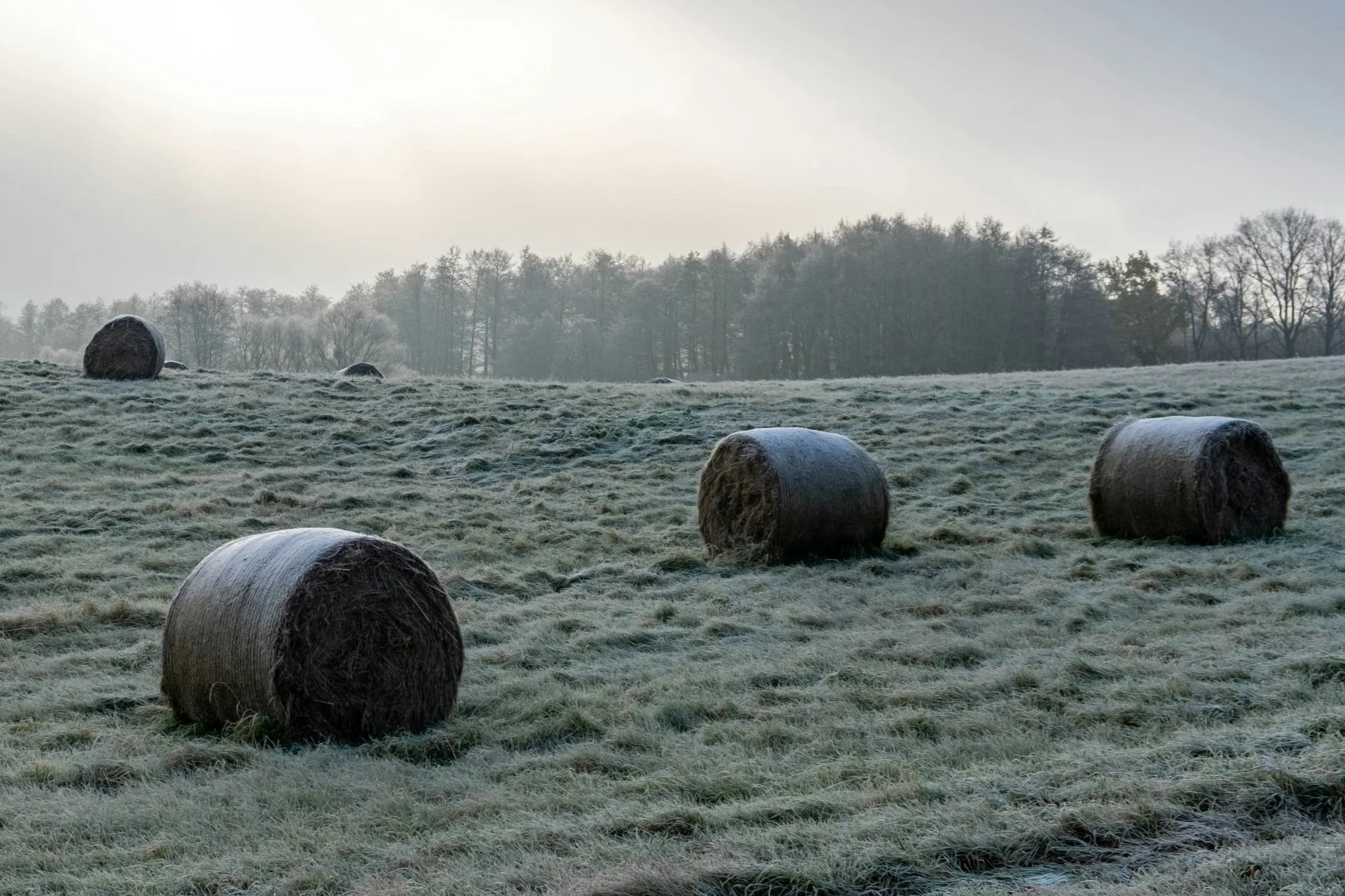
Waste not, want not: Smart strategies for winter hay feeding
Effective winter hay strategies focus on minimizing waste while protecting hay quality and reducing soil disturbance.
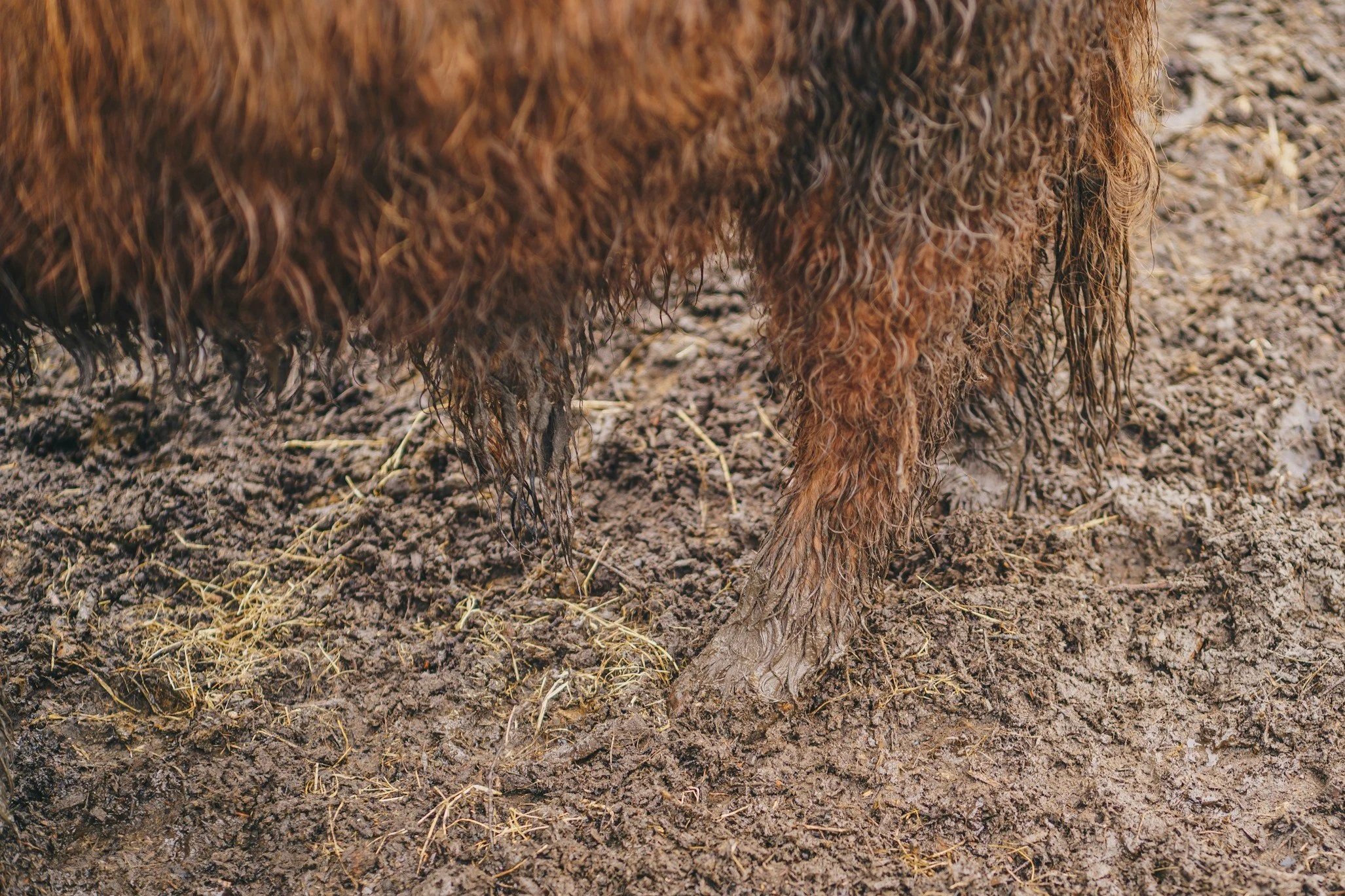
Less mud, more gain: Practical ways to manage mud
There are many uncertainties in livestock production; mud is not one of them. Managing mud effectively can reduce health risks for livestock and improve soil health.
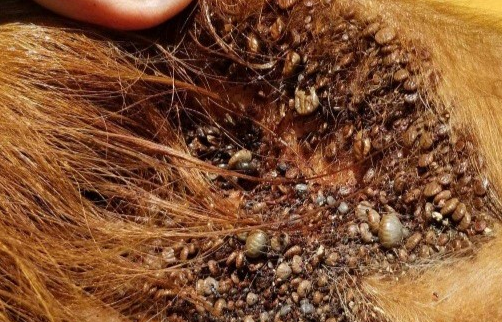
Illinois livestock at risk from invasive new tick
The Asian longhorned tick has found its way to Illinois, bringing potential health risks for livestock, pets, and people with it. Teresa Steckler warns producers to inspect their livestock carefully.
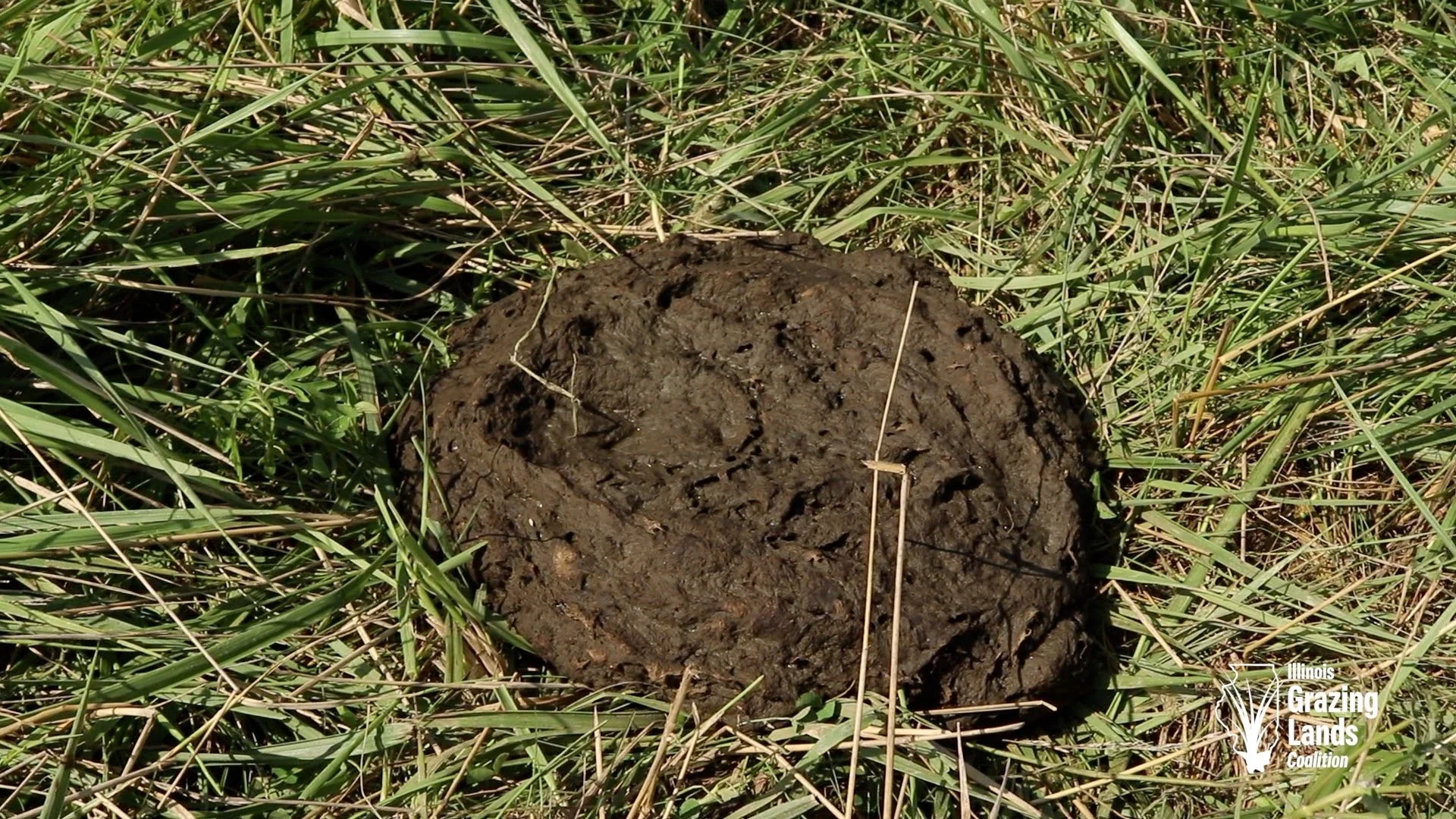
Yes, there is a perfect pile of manure
There’s a lot you can learn from a cow pie. The shape and consistency of the manure pile is an indicator of the cow’s nutritional intake and conversion. What is your pile telling you?
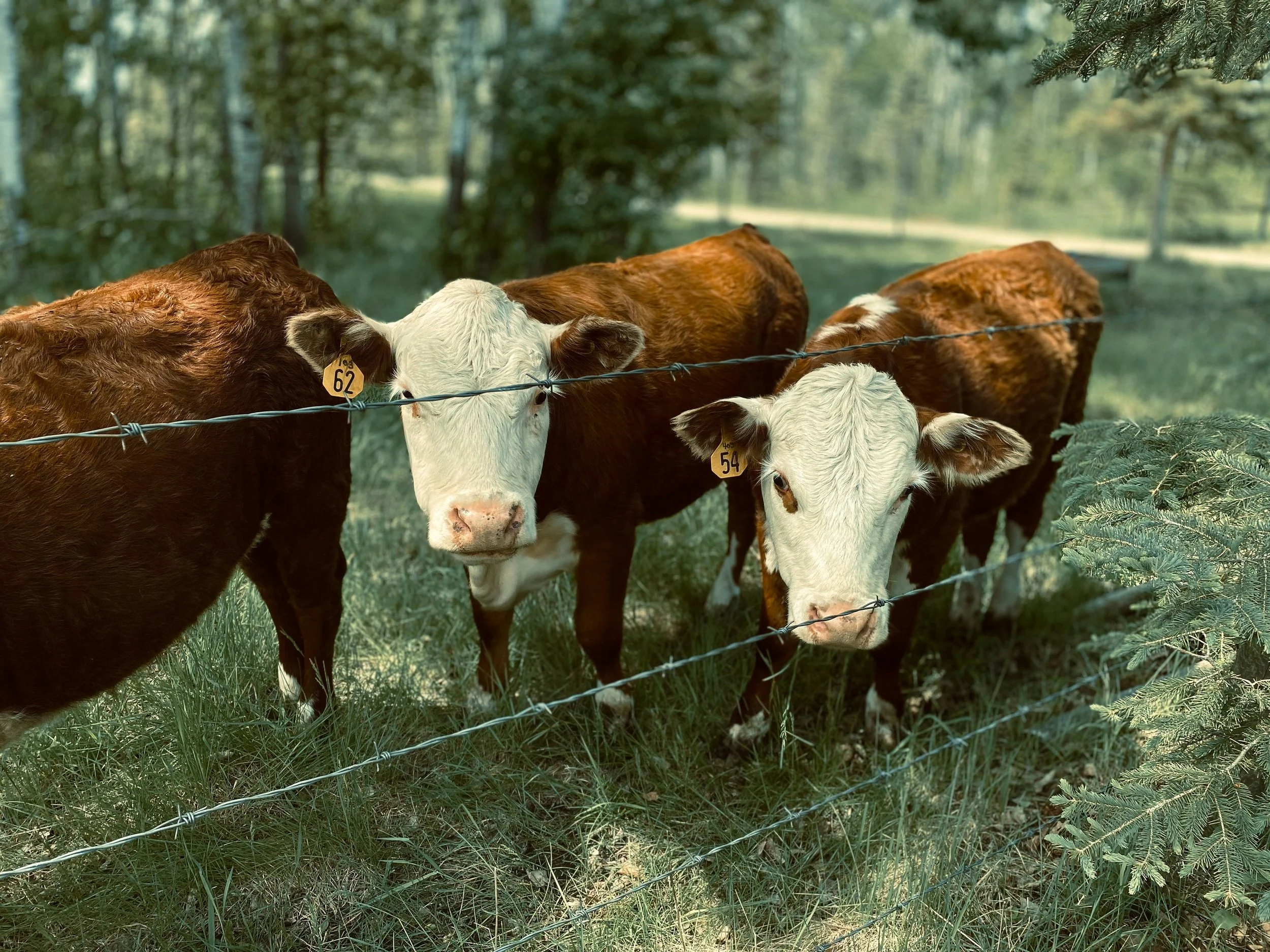
Renting pasture may solve problems for landowners, producers
The high price of beef may have producers looking for ways to expand their herd. Renting pastures may allow for expansion but comes with its own set of challenges.