Shade translates into savings and pounds
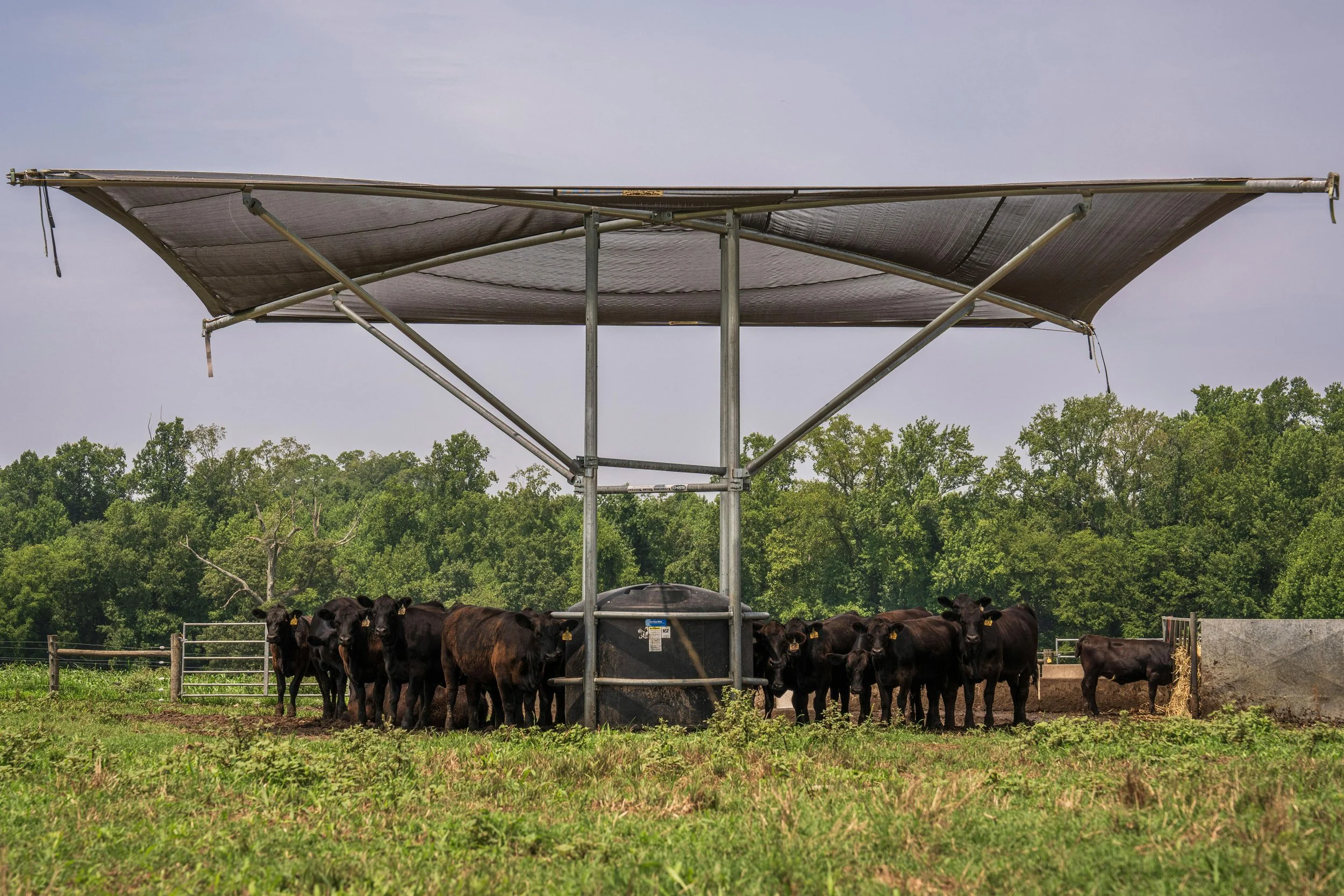
Livestock producers may not be able to control the weather, but they can surely plan for it. We know summer is hot, but shade can mitigate some of the stress for your livestock caused by the extreme heat.
Shade benefits
A 2-year study from Kansas State Research and Extension measured the impact of shade and limited feeding of a highly digestible ration on cattle health. K-State veterinarian A.J. Tarpoff shares the results:
Shade increased average daily gain up to 7%.
Shade also increased feed efficiency by up to 4%.
Shade and limit feeding reduce water needs by 1 gallon a day per head.
“That means animals are utilizing more of the energy that we are delivering to them, making the entire system more sustainable.”
When you multiply those savings across a herd, it can result in thousands of dollars in savings for the summer.
A University of Kentucky Extension found that cattle provided with shade had fewer health and reproduction issues. Cows showed improved conception rates, and bull had increased semen quality, says Mabry Bruhn, University of Illinois Extension I-BELIEF program intern.
“Decreased respiratory illness, increased fertility rates, and more consistent cycling are all potential benefits from providing shade,” Bruhn says.
Potential pitfalls
There are some disadvantages to note, she adds. Cattle tend to congregate under shade structures which may cause overgrazing in that area.
Added stress is experienced if airflow in the shaded area is compromised or when the space is too small and cattle fight over the limited shade, Bruhn says.
“Erosion from constant movement in one area can also contribute to the destruction of pastures,” Bruhn says. “As cattle congregate in one place, their manure does, too. A buildup of manure provides a prime breeding ground for flies and other pests.”
Provide adequate space
When permanent structures or natural shade areas are not available, producers can build portable structures. The University of Missouri Extension recommends allowing 20- to 40-square feet of shade per head. Place the shade cloth at least 8 feet off the ground to allow for adequate airflow, and orient the shade for maximum coverage, either east-west or north-south. “With an east-west orientation, the ground stays cooler but becomes muddy. North-south structures let shade move across the ground throughout the day,” says Eric Bailey, Missouri Extension beef specialist.
Warning signs
Breathing rate is a good indicator of heat stress in cattle, Bailey adds.
Rates from 90 to 110 breaths per minute.
Rates of 110 to 130 breaths per minute indicate a dangerous level of stress.
Producers should take emergency measures if rates reach 130 breaths per minute or above.
Establish workarounds for the potential challenges when setting up your shaded area, the benefits can often make big differences.
“If you’re contemplating utilizing shade or changing your feeding practices during the summer months to improve your efficiencies and well-being of the animals, keep in mind not only are we improving performance, reducing the needs of all the inputs such as water and feed resources, but we’re also increasing cattle comfort,” Tarpoff says.
How to Set Up Temporary Paddocks with Polywire
About the Video: Fencing is often an obstacle when producers transition to adaptive grazing for their livestock. With polywire fencing, you can easily create temporary paddocks that can be moved easily and frequently. Logan Karcher, director of producer programs with Illinois Grazing Lands Coalition, demonstrates how to easily run polywire and attach to your existing permanent fencing.
Sources for Providing Shade for Cattle
Cattle Shade Research Results, A.J. Tarpoff, Kansas State University Research and Extension.
Shade Options for Grazing Cattle, Stephen F. Higgins, Carmen T. Agouridis, and Sarah J. Wightman, University of Kentucky Cooperative Extension Service.
The Advantages and Disadvantages of Providing Cattle with Shade, Mabry Bruhn, University of Illinois Extension I-BELIEF intern.
Water, shade help prevent heat stress in cattle, Eric Bailey, University of Missouri Extension.