Check pasture ponds for blue-green algae risk
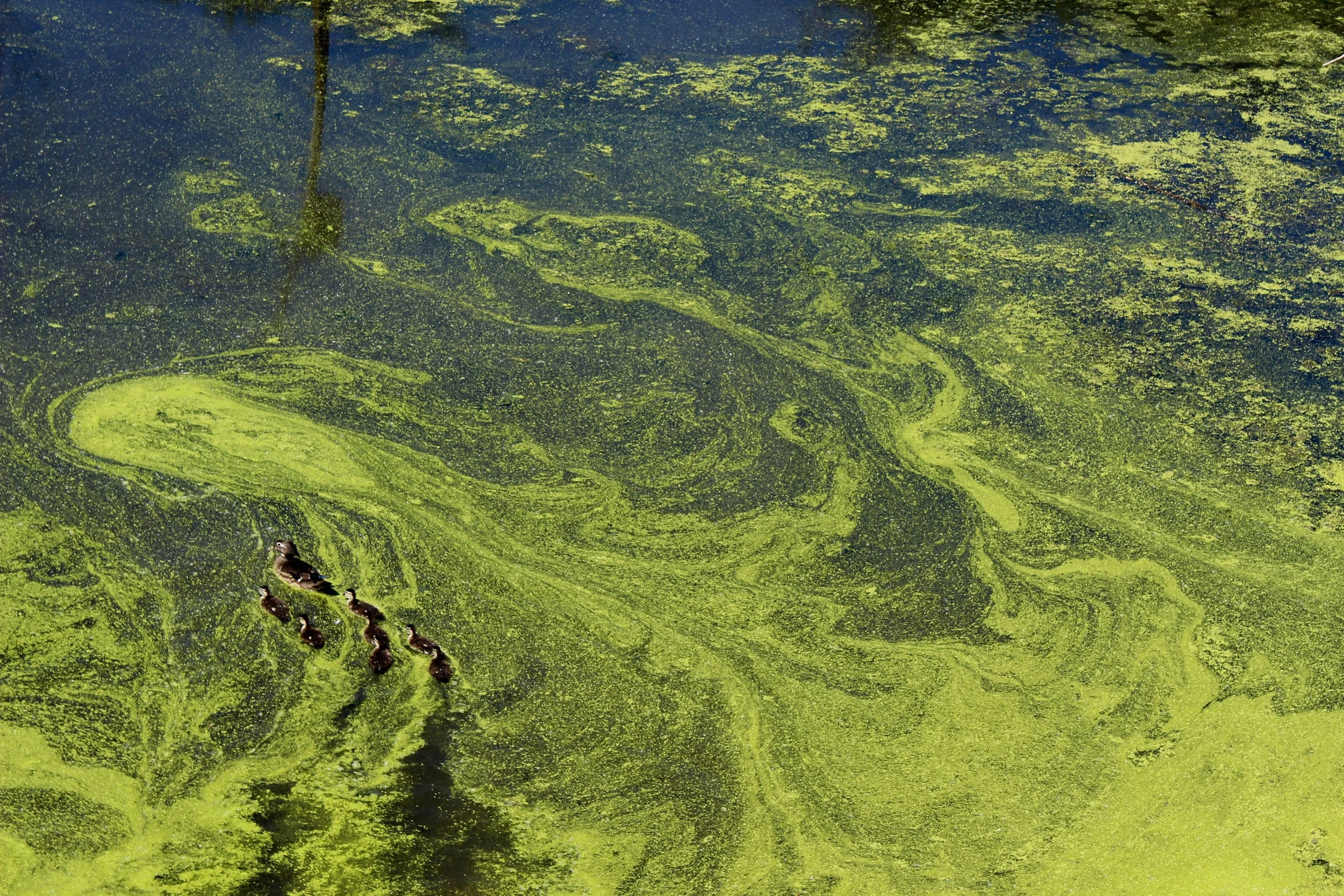
The City of Mattoon’s recent water supply contamination was caused by cyanobacteria, often called blue-green algae.
Ponds and other water sources contaminated with blue-green algae may create serious health issues for livestock, as well as humans.
Blue-green algae in ponds
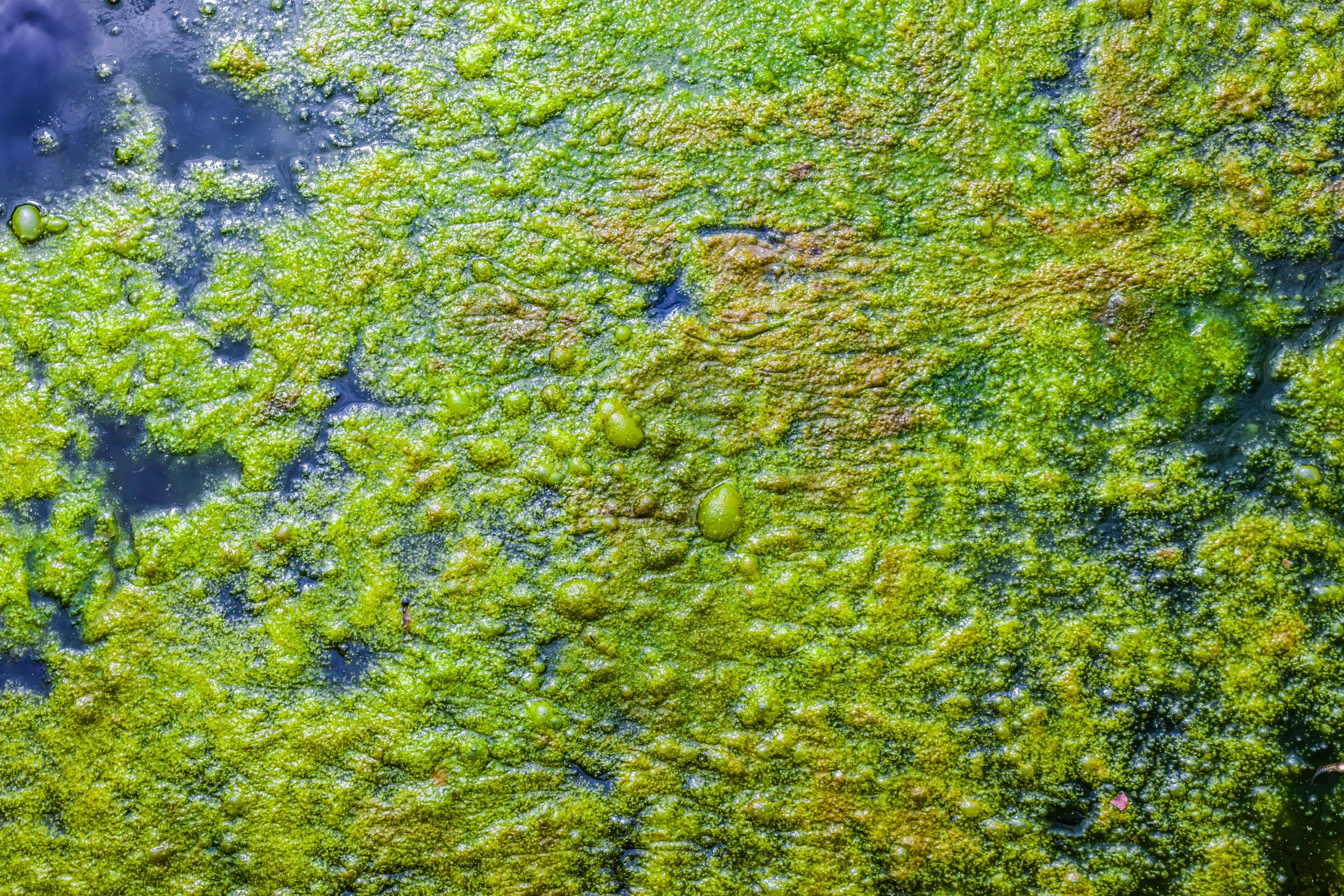
Algae can grow quickly when the temperature, sunlight, and available nutrients are most suitable for growth, especially in summer and fall when water is warm and stagnant.
Bloom scum may float on the water surface. As the bloom dies, it can create a bad odor. University of Illinois Extension commercial ag educator Travis Meteer advises farmers to carefully monitor water sources.
“Depending on the type that is present, blue-green algal blooms may contain hepatotoxins, which cause liver damage, or neurotoxins, which cause harm to the nervous system,” Meteer says. “Animals that drink water with blue-green algae usually die 24 hours or less after doing so.”
Symptoms of blue-green algae poisoning include:
loss of energy
loss of appetite
vomiting
stumbling or falling
foaming at the mouth
diarrhea
convulsions
excessive drooling
tremors and seizures
unexplained sickness
If you suspect livestock have consumed or been in contact with contaminated water, call your veterinarian immediately.
Algae growth can be accelerated if cattle stand in or walk the water. The added nutrients from manure and urine encourage algae growth, according to the University of Nebraska.
University of Nebraska Extension advice
“Limiting cattle access to only a portion of a pond can reduce pond water contamination,” the Nebraska Extension educators say. “Pumping water in the deep part of a pond to a water tank is a way to still utilize pond water for cattle while reducing the risk of cattle consuming blue-green algae.”
Pond water may not always be the best choice.
Each beef cow needs close to 2 gallons of water per 100 pounds of body weight during summer, Meteer says.
Researchers from Mississippi State University have “documented a 9% higher weight gain in nursing calves where the drinking water of the cow-calf pairs came from a trough compared to cattle drinking directly from a pond. Steers in the same study with access to water troughs instead of ponds demonstrated a 16 to 19% increase in weight.”
Livestock perform better with clean water. Moving watering systems around the pasture improves grazing efficiency, reduces overgrazing, and distributes urine and manure more evenly around the pasture, according to Michigan Extension.
Cattle prefer drinking water with a temperature of 40° to 77°, so take that into account when developing your water system, Georgia Extension advices.
Animals should be within 700 to 900 feet of a water source from any point in the paddock. “If the water is farther away, the cattle may come to the water as a herd rather than as individuals,” according to the University of Missouri Extension. “Calves will get pushed back until the cows have finished drinking.”
“It sounds expensive, but conveying water to grazing paddocks is often the least expensive method of increasing grazing capacity.”
Dig Deeper
Explore watering systems for managed beef grazing from this University of Missouri guide.
Download Michigan State University Extension’s Watering Systems for Grazing for advice on installing pipe for continuous water availability.
Download Nebraska Extension’s Water Requirements for Beef Cattle publication for more information about water quality.
Explore an extensive report on solar-powered groundwater pumping systems from Colorado State University Extension.
Sources
Blue-Green Algae Blooms, Oregon Department of Human Services
Sustainable water management for beef cattle during drought, Illinois Extension, Travis Meteer
Water Requirements for Beef Cattle, University of Nebraska Extension
How much water do cattle need and what water problems should cattle producers watch for?, University of Nebraska Extension, Troy Walz and Aaron Berger
Beef Cattle Water Requirements and Source Management, Mississippi State University Extension, Jane Parish and Brandi Bourg Karisch
Watering Systems for Grazing, Michigan State University Extension
Water Resources Development for Managing Intensive Grazing of Beef, USDA
Maintaining a Clean Water Trough for Cattle, University of Georgia Extension
Pumps and Watering Systems for Managed Beef Grazing, University of Missouri Extension, Donald Pfost, James Gerrish, Maurice Davis, and Mark Kennedy