Renting pasture may solve problems for landowners, producers
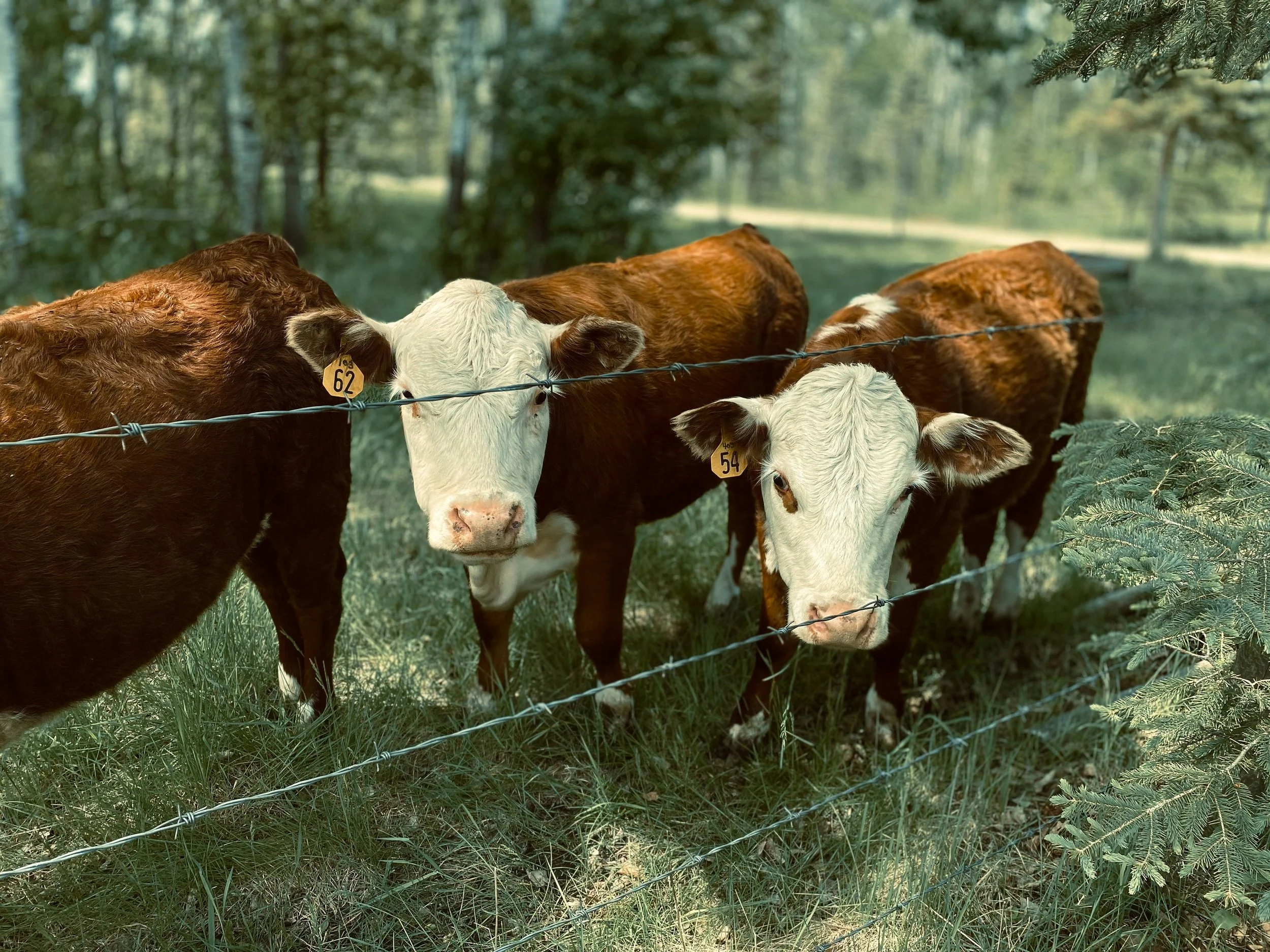
The high price of beef may have producers looking for ways to expand their herd. Renting pastures may allow for expansion but comes with its own set of challenges.
Since 2003, pasture rent in Illinois has steadily increased from $32.50 per acre to $43.50 per acre in 2023, echoing the pattern of land prices in general.
What’s the cost?
Determining pasture rent is ultimately determined by how much someone is willing to pay and how much someone is willing to accept. There are some considerations to factor into your discussion, says Travis Meteer, University of Illinois Extension commercial ag educator.
Current value of hay or forage
Current value of land
Number of livestock units which will be grazed
Variations in forage quality, longevity of the renter-landowner relationship, and livestock prices will cause great fluctuations between rent paid at one farm compared to a neighboring farm.
Extension’s Pasture Cash Rental Rates fact sheet, updated in 2024, provides a county-by-county overview of rates since 2014, as well as options for calculating a fair rate for both parties.
Benefits for Landowners
Pasture leases provide a guaranteed, known income stream.
Responsibly grazed livestock can improve soil health and forage quality.
Resource management may shift to the tenant, freeing the landowner from tasks they no longer wish to do.
Eliminate costs of mowing and care of pastureland.
Benefits for Livestock Renter
By leasing instead of purchasing, livestock owners reduce their capital costs: no downpayment, no mortgage payments, no property taxes.
Producers can adjust the number of grazing livestock to fit the available acreage or market fluctuations.
In many cases, arrangements may allow lease costs to fluctuate based on the success of the grazed livestock.
“Creating flexible grazing leases is one alternative becoming more popular among producers and landlords. In these agreements, cow-calf pair per month rental rates are allowed to flex within a predetermined range, conditional on one or more market factors that may include animal performance, market conditions, and/or grazing land productivity.”
Download the fact sheet to help determine a fair pasture rent.
Set up Temporary Paddocks with Polywire Fencing
Fencing is often an obstacle when producers transition to adaptive grazing for their livestock. With polywire fencing, you can easily create temporary paddocks that can be moved easily and frequently. Logan Karcher, director of producer programs with Illinois Grazing Lands Coalition, demonstrates how to easily run polywire and attach to your existing permanent fencing.
Check out these additional resources for understanding pasture rent rates.
Pasture Rent, Travis Meteer, University of Illinois Extension Commercial Ag Educator
Flexible Leases Offer Benefits for Producers and Landowners, Heather Smith Thomas, Tri-State Livestock News