Illinois livestock at risk from invasive new tick
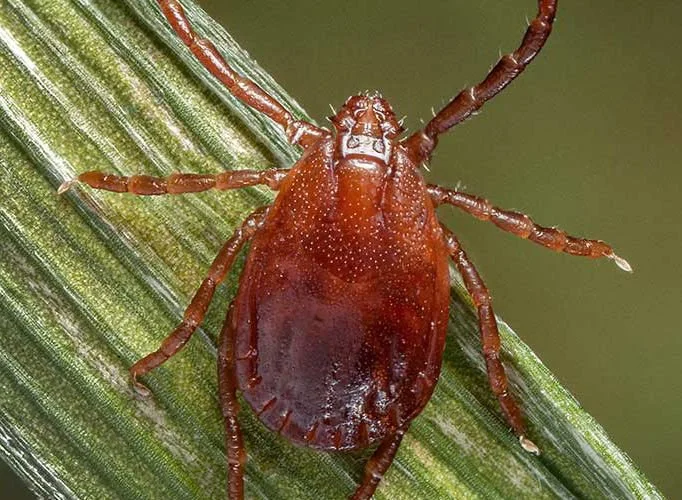
Image: Commonwealth of Pennsylvania
The Asian longhorned tick has found its way to Illinois, bringing potential health risks for livestock, pets, and people with it.
Teresa Steckler, University of Illinois Extension commercial ag specialist warns producers to inspect their livestock carefully.
The adult female tick reproduces asexually without a male and can lay up to 2,000 eggs over its 2-year lifecycle which contributes to their rapid spread.
“These small ticks can be found on people, pets, livestock, and wildlife, and bites from these ticks can make people and animals ill,” Steckler says. “It is a pest of concern for livestock because severe infestations can be fatal.”
Identification
These invasive ticks are small, very, very small. Adults are about the size of a pea when fully engorged. In nymph stage, they are about the size of a poppy seed; larva are only slightly larger than a pin head. They are brown in color.
Livestock
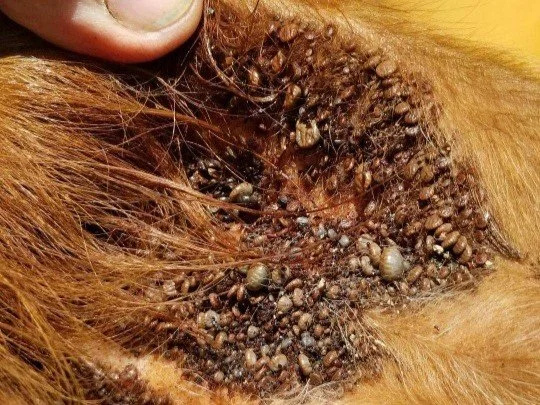
Check your livestock
Check ears, brisket, udder, tail head, vulva areas, and folds of skin on livestock. The tick can hard to detect on woolen sheep therefore actual shearing or parting the wool to see skin are the best methods. They may be found any time from spring through fall in various stages. Larvae are particularly active in August and September and may number in the thousands on a single livestock animal.
Image, used with permission: Dr. T. Lavelle
“Livestock (cattle) in the United States can become infected with Theileria orientalis Ikeda parasite from the Asian longhorned tick. This parasite resides in the animals’ blood and can result in sickness or death of the animal.”
The tick transmits Theileria orientalis which causes a disease called theileriosis in cattle. Symptoms include fever, weakness, and anemia. The disease mimics the symptoms of anaplasmosis, but unlike anaplasmosis which usually affects cattle two years and older, this disease can strike cattle of any age, and cause abortions, Steckler says.
A University of Illinois website indicates the tick has been found on the following animal and wildlife species: sheep, goats, dogs, cats, horses, cattle, chickens, black bears, grey squirrels, red and grey foxes, groundhogs, striped skunks, white-tailed deer, elk, opossums, raccoons, Canada geese, barred owls, great horned owls, brown boobies, mice, blue jays, and red-tailed hawks (USDA, 2024).
Prevention
Steckler says that the Asian longhorned tick is susceptible to the chemicals used to treat other ticks on cattle. Apply the recommended dose to ensure adequate protection.
Care should be taken to not reintroduce cows to pastures which are heavily infested with the tick. Other prevention methods may need to be employed if pastures become heavily infested. She also recommends mowing pasture fence lines, especially those that butt up to woods, creeks, and rivers.
Producers can also apply products to pants and boots to avoid ticks attaching to their skin; however, follow all precautions on labels for products as some can be deadly to pets.
Removal
If you find ticks, use a tweezer to remove them from the skin. Position the tweezers against the skin and pull up gently. Save the tick in a sealed plastic bag with isopropyl alcohol on a cotton ball and take it to your local Extension office for identification and tracking.
Reporting
Report a tick or tick bite on the Bitemap website.
History
The Asian longhorned tick was discover in the United States in 2017; however, data would suggest the tick has been in the US since 2010. The tick first appeared in April 2024 in Morgan County, Ill. The Illinois Tick Surveillance Map indicates the longhorned tick is now also established in Hamilton County in Southern Illinois. In September 2025, the tick was found in a group of Clay County cattle.
For more information about the longhorned tick, download Illinois Extension’s Livestock Recommendations for the Asian Longhorned Tick fact sheet.
For more information about ticks and horses, download the University of Illinois tip sheet.
Dig Deeper Into These References
Report Asian longhorned ticks to help track invasive pest that threatens livestock, Emily Steele and Teresa Steckler, Illinois Extension
Asian Longhorned Tick website, Illinois Extension
Asian Longhorned Tick website, Commonwealth of Pennsylvania Department of Environmental Protection
Livestock Recommendations for the Asian Longhorn Tick, Teresa Steckler, Illinois Extension
Theileriosis in Animals, MSD Veterinary Manual
Illinois Tick Surveillance Map, Illinois Department of Public Health
Teresa Steckler, University of Illinois Extension beef specialist, what farmers should know about the Asian longhorned tick, FarmWeek Now, May 6, 2024
Source
Teresa Steckler, University of Illinois Extension, Commercial Ag Specialist