Drought’s impact on soil testing
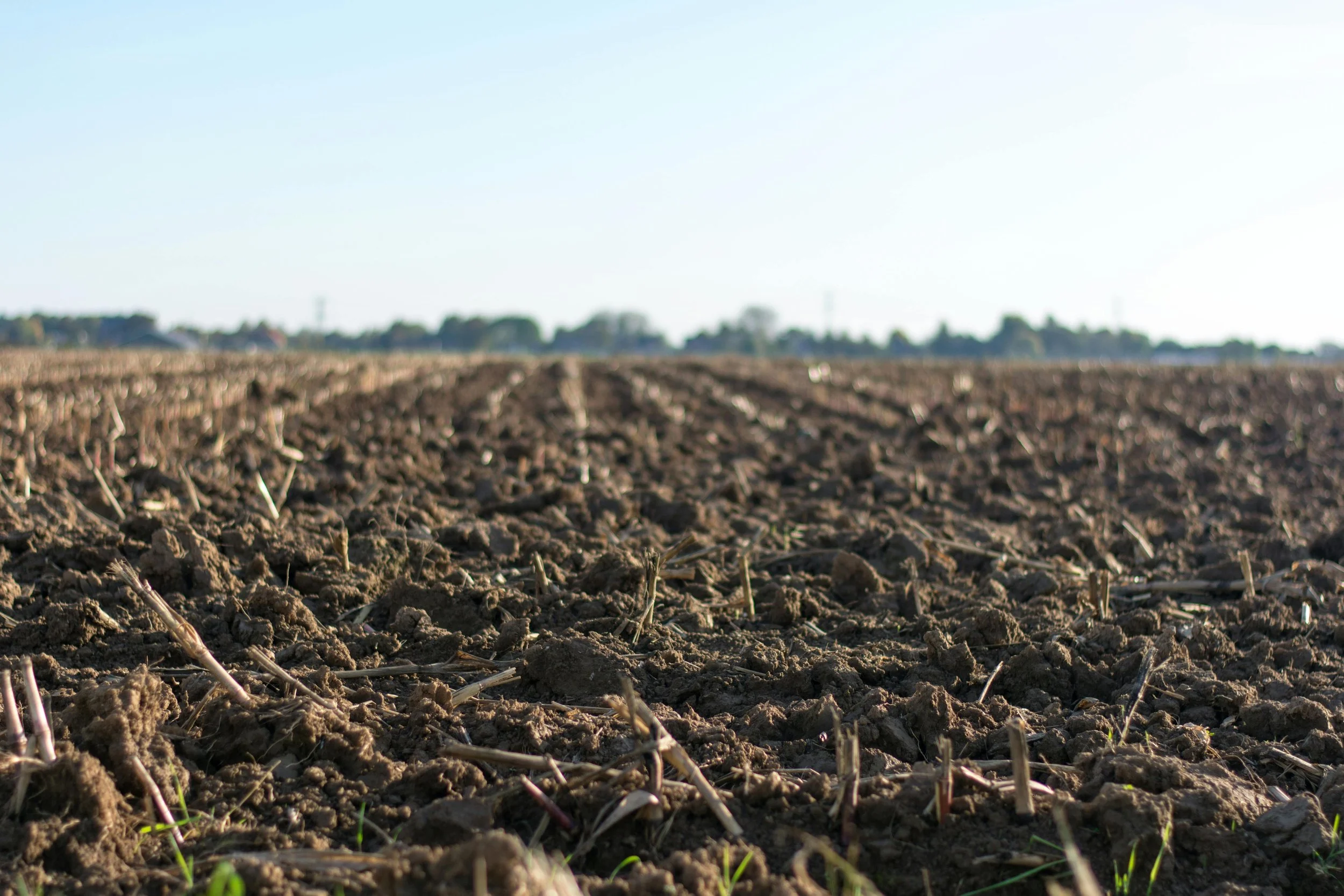
Your soil health may not be what you think it is.
With most central, western, and northern Illinois counties in drought conditions, your soil test results may not be telling you what’s really happening under ground.
Dry soils can affect soil test results causing inaccurate results and inaccurate fertility application.
“Low moisture means less microbial activity to recycle some of our macronutrients back into the soil and ties up soil macronutrients to the clay particles,” says Chris Enroth, Illinois Extension horticulture educator.
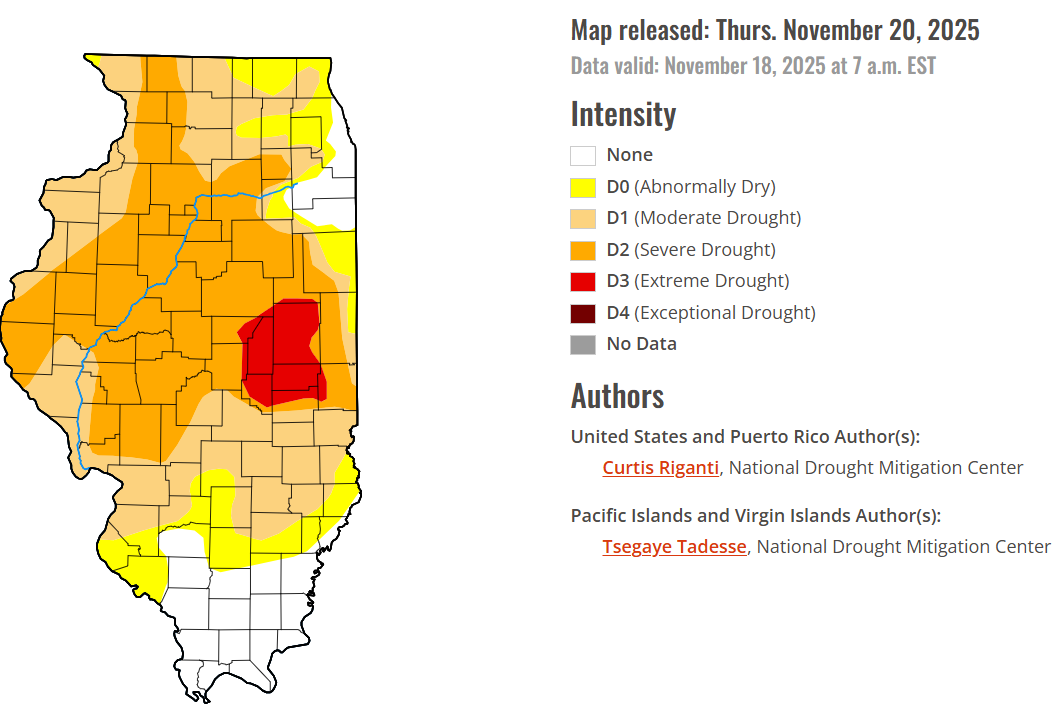
Provided by the National Drought Mitigation Center.
Potential problems
Test levels for potassium (K) may appear lower than they actually are, according to Iowa State University Extension in its impact of drought conditions on test results report. In dry conditions, the soil moisture that helps release potassium is reduced.
“Soil pH values likely will be less than normal (more acidic) with drought, with differences ranging from 0.1 to 0.4 pH units being common,” says Antonio Mallarino, professor emeritus with Iowa State University.
Soil test levels for phosphorus (P) may also be slightly lower than normal.
“The effect of the dry soil on phosphorus levels isn’t as dramatic as potassium, but less moisture in the soil may lower the soil test results,” writes staff at A&L Great Lakes Laboratories. “The same situation of reduced crop yields may result in less phosphorus being removed from the soil.”
To further complicate soil testing, dry ground makes it difficult to reach the 6- to 9-inch depth to draw your soil core. The sample may break apart making it difficult to see the nutrient stratification.
“Field fires, low grain moisture, and tillage practices are proving to be difficult hurdles, but dry soil conditions make soil sampling especially difficult,” Great Lakes Laboratories. “Not only are soil sampling conditions challenged by dry soil, but lab results take more interpretations than seasons with adequate circumstances.”
So what do we do?
“Soil sampling consistently at the same time of year is a preferred practice for tracking changes over time,” says Dennis Bowman, Illinois Extension digital ag specialist. “However, waiting for good conditions is better than getting a bad sample now.”
Spring sampling when more uniform moisture is available and nutrients have been released from the previous crop residue is becoming popular, but there are cautions when making applications during the same season as planting, such as salt injury or inadequate nutrient levels for growing plants.
“A soil test is just a snapshot,” says Travis Meteer, University of Illinois Extension beef specialist. “You don’t want to take that snapshot when everything is shut down.”
Best advice: When possible, postpone soil testing until moisture can allow normal nutrient cycling. If you do take dry samples, consult with your Extension professional to accurately interpret the results.
Resources
Beware of Dry Conditions When Soil Sampling and Interpreting Test Results, Iowa State University Extension, Antonio Mallarino
Soil Testing in a Drought, A&L Great Lakes Laboratories
Making the Switch: Fall to Spring Soil Sampling, A&L Great Lakes Laboratories
Travis Meteer, University of Illinois Extension Beef Specialist
Dennis Bowman, Illinois Extension Digital Ag Specialist
Chris Enroth, Illinois Extension Horticulture Educator