Sacrifice areas protect soil, forage, livestock health
Sometimes, the best way to protect your pasture is to pause using it — at least for a while. Wet soil, drought, forage dormancy, and heavy hoof traffic can turn healthy grazing land into mud, compacted soil, and poor forage.
That’s where sacrifice areas come in.
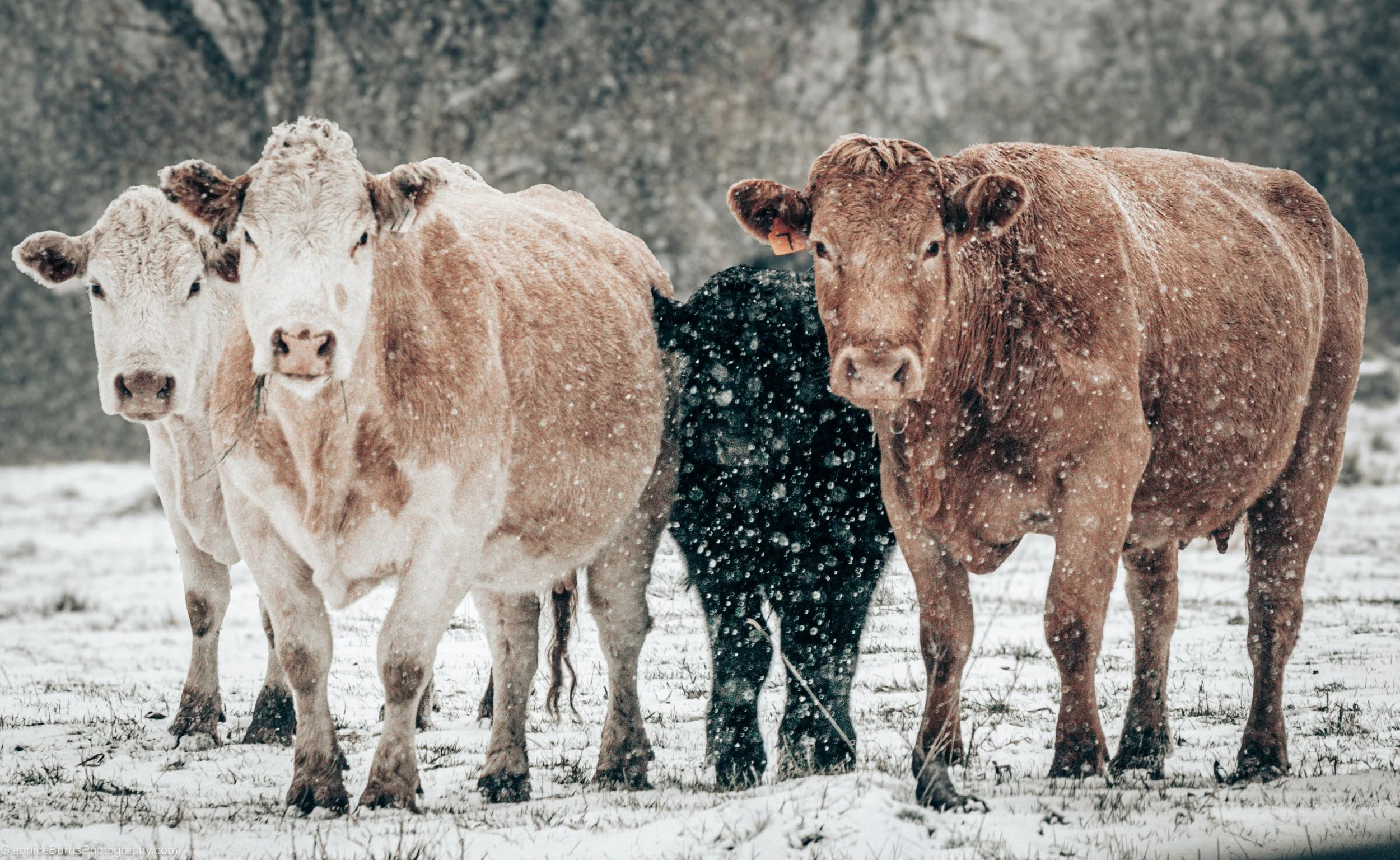
A sacrifice area is a designated space where livestock are temporarily confined so the rest of the pasture can recover.
“The goal of these areas is to sacrifice a small part of your resources to ensure the majority of your land has the rest it needs to stay healthy and productive,” says Mary Keena, North Dakota State University Extension.
Understanding where, when, and why to use a sacrifice area helps livestock owners balance animal needs with soil and forage health.
Where do you establish a sacrifice area?
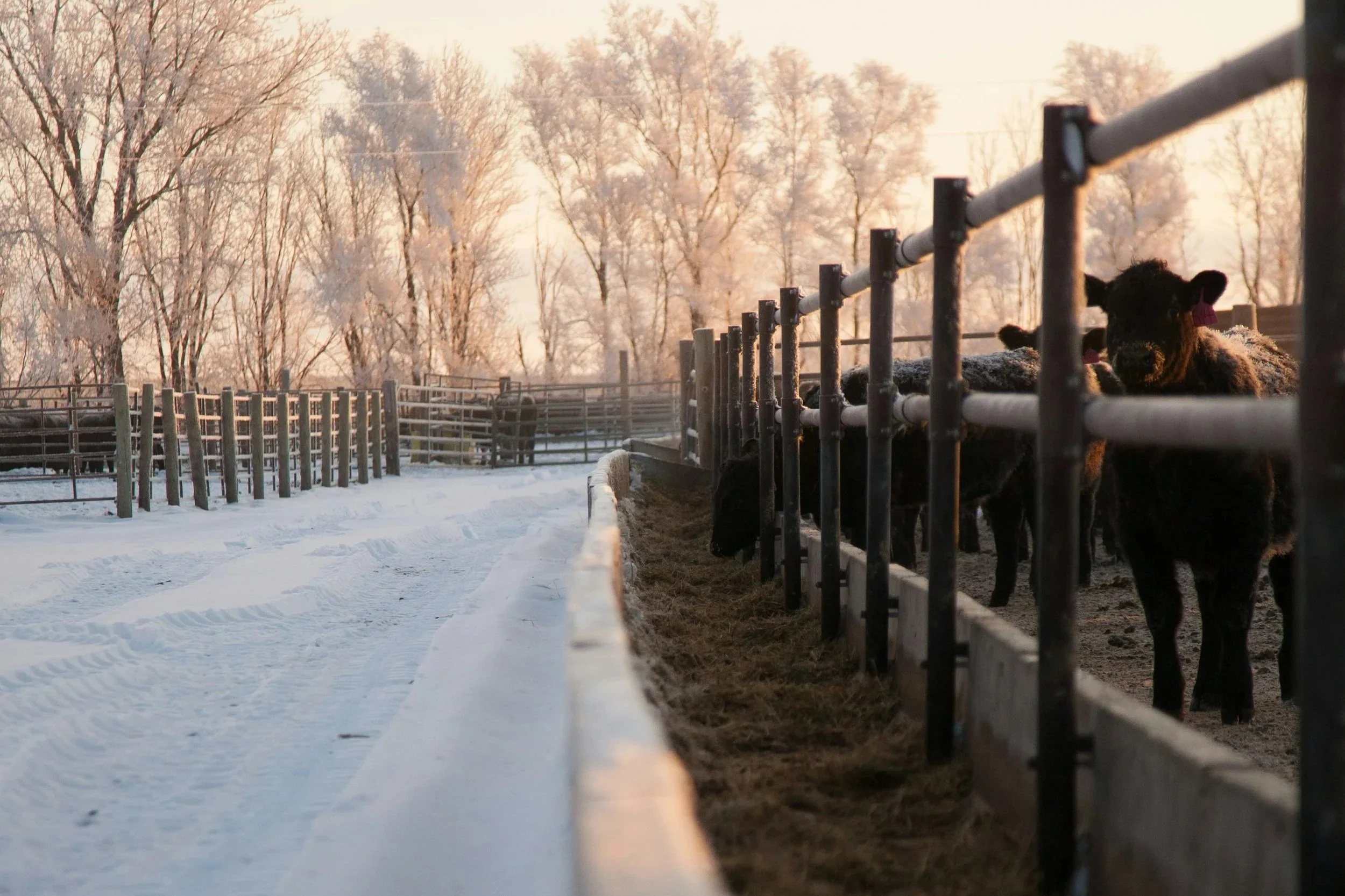
A sacrifice area can be in a dry lot pen or a fenced-off area of the pasture. Oregon State University Extension recommends these best practices when establishing the sacrifice area.
Choose higher ground away from rivers, ponds, wells, or places where water accumulates to avoid runoff contamination.
Use wood chips, gravel, or sand to provide a solid footing for livestock in gathering areas. When necessary, use concrete pads for solid footing for feeding or watering locations.
Create grassy buffer strips around the area that act as a natural filtration system for contaminants.
Ensure livestock have easy access to water.
When do you use the sacrifice area?
You may need to move livestock to sacrifice areas during excess rain or drought, during winter and early spring when forage is limited, or when resting pastures for forage regrowth.
Why use sacrifice areas?
Healthy pastures absorb rainfall, filter runoff, and reduce erosion. Keeping livestock off growing forage protects root systems and promotes regrowth.
Removing livestock during excessive rain minimizes soil compaction and disruption from excessive hoof traffic. It also helps manage health risks caused by muddy environments, such as naval infections, compromised immune systems, and foot rot.
Lack of rain also creates risks to plant growth and soil health, according to Colorado State University Extension by suppressing root development.
“Without adequate root structure, plants are unable to extract moisture and nutrients from the soil, which further limits plant growth.”
Plants are also at risk from trampling.
“Grazing and hoof traffic remove leaves necessary for photosynthesis. With growth already limited by drought, the plant is forced to utilize more of its stored sugar to grow replacement leaves. Repeated use of the pasture can eventually deplete the plant’s energy reserves, resulting in death of the plant or severely reducing its chance for survival.”
A well-planned sacrifice area can save grazing resources, improve animal management, and support long-term pasture productivity.
Dig Deeper into Creating Sacrifice Areas
Sacrifice Area May Save Grazing Resources, North Dakota State University Extension
Introduction to Pasture Grazing Management, Oregon State Extension
How Green is Your Grass: Five Steps to Better Pasture Grazing Management, Washington State University Extension
Navel Infection, Beef Cattle Institute, Kansas State University
Managing Mud on Cattle Farms, Travis Meteer, Illinois Extension
Tips for managing muddy conditions, Beef Magazine
Pasture Sacrifice Areas, Washington State University Extension
Managing Small Acreage Pastures During and After Drought, Colorado State University Extension.