Your weeds are telling you something
Weeds have a way of making producers feel like they're losing a battle. But what if those plants were actually trying to tell you something useful?
Luke Jones, a consultant with Understanding Ag and a livestock producer in Rushville, Illinois, offers a perspective shift that reframes the whole conversation.
"All plants are indicator species," Jones says. "They're telling us what the system is allowing to happen there."
In other words, the weeds in your pasture are a response to the conditions in your soil. Learning to read them is one of the most practical diagnostic tools a grazier has.
What your weeds might be telling you
Different plants signal different conditions. Here's a quick breakdown based on two of the most common complaints from Illinois producers:
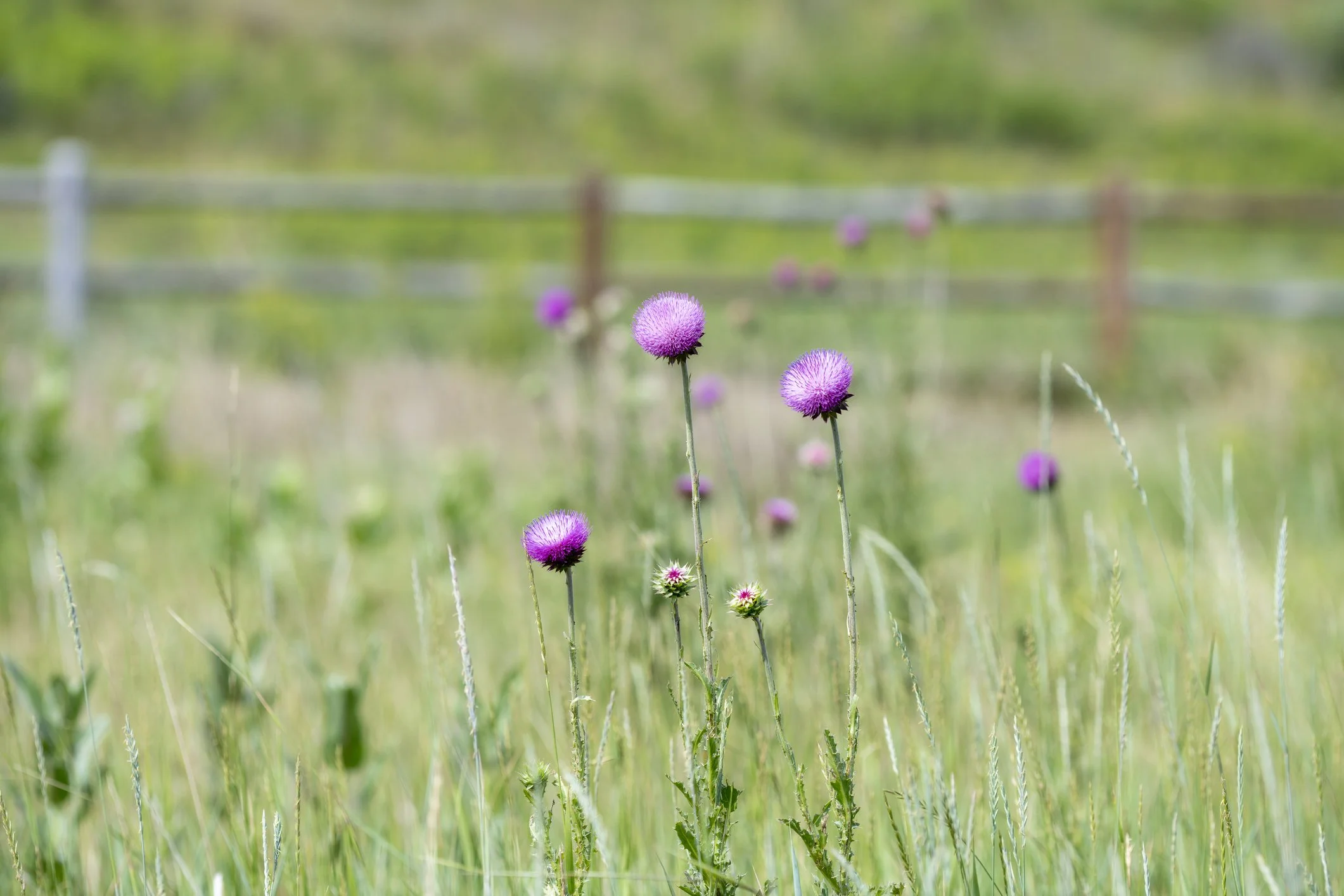
Canadian thistle and creeping or field thistle flowers in a dry meadow. ID 197819702 © Rachel Hopper | Dreamstime.com
Thistle
Thistle often indicates a calcium deficiency or compaction issue. Jones points out that in many cases, thistles will self-correct if left alone — essentially exhausting the conditions that allowed them to establish.
"If you can stand to look at it, let it be," he says. And if you can't? Chickens are surprisingly effective. High stock density for short bursts also does the job without a drop of herbicide.
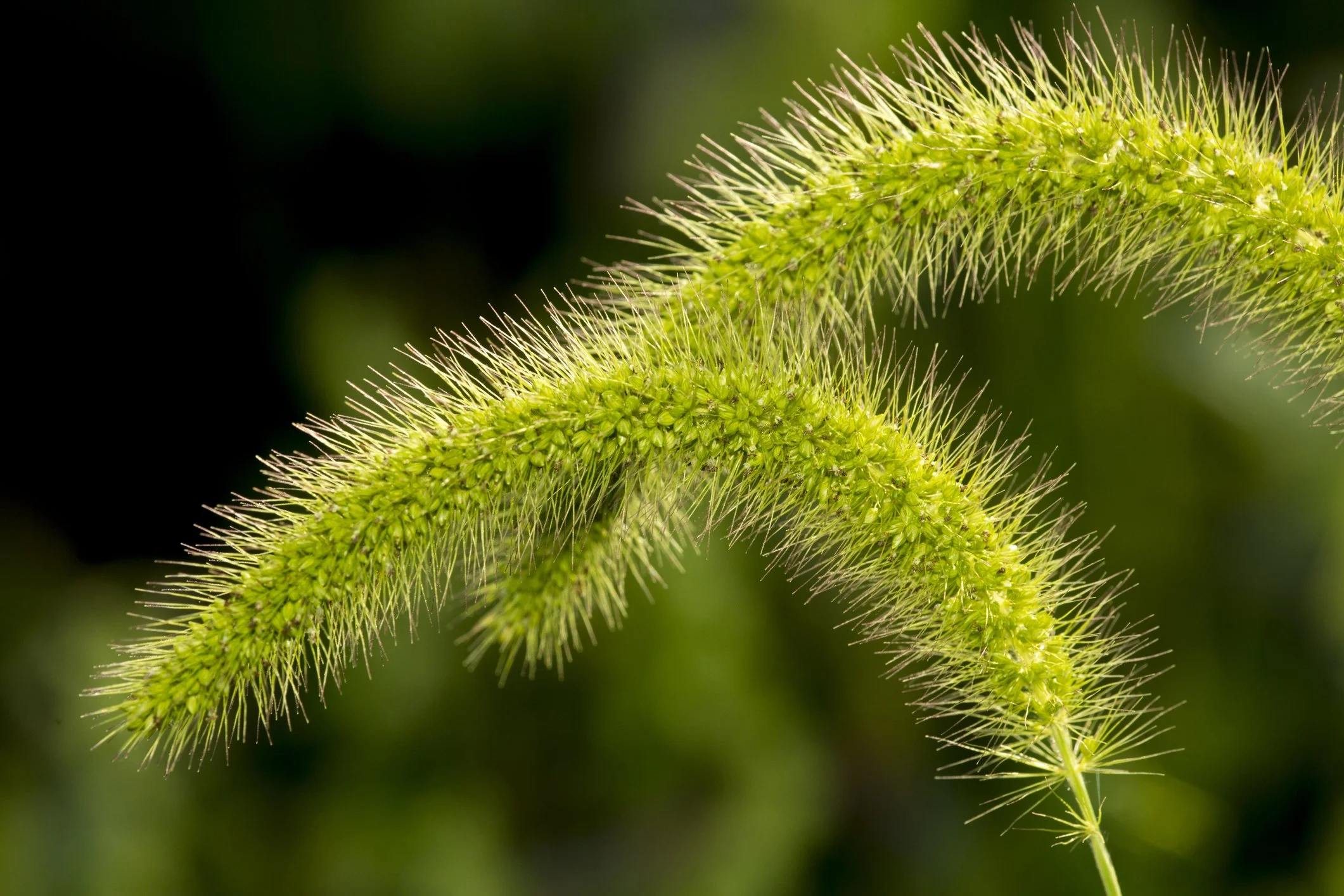
Giant foxtail grass, Setaria faberi, bending flower heads. ID 167214963 © Jeffrey Holcombe | Dreamstime.com
Foxtail
Foxtail is a warm-season opportunist that Jones calls "poor man's pearl millet." If it's showing up in your pastures, it likely means you've grazed that area too heavily since foxtail is one of the first plants to cover exposed soil and feed the biology underneath it. But foxtail has a window of decent nutritional value, and it's actively stimulating soil biology even when it's not your preferred species.
The broader point is this: before spending too much time or money on control, ask what the plant is telling you about your management. The weed is often a symptom, not the root problem.
Grazing as a weed management tool
Proper grazing management is one of the most underutilized tools for keeping weeds in check (and one of the most cost-effective). Maintaining a dense, competitive forage stand is a key to preventing weed invasion, and rotational grazing keeps traffic effects minimal while ensuring forages remain competitive.
Jones adds that high stock density for short periods can create what he calls "creative competitiveness." Create a scenario in which animals have to eat what's in front of them rather than selectively grazing around plants they'd prefer to avoid. That pressure, applied at the right time, can significantly reduce problem species without any chemical or mechanical input.
When grazing alone isn't enough, targeted mowing can reduce or prevent seed production of weedy plants and promote regrowth of desirable forage species, though Jones cautions against mowing in the dead heat of summer. Be careful not to leave soil exposed; you could create an opportunity for new weeds to grow and reduce your ability to capture rainfall when you need it most.
ID 74703346 © Oakdalecat | Dreamstime.com
When control is warranted
None of this means ignoring a genuine infestation. Some situations like toxic plants or establishing a new stand do call for intervention. Proper plant identification is critical for effective management of weed species, regardless of the management option. Not every weed is safe to graze, and knowing what you're dealing with before making a decision matters.
For resources on identifying and managing specific pasture weeds, the NRCS Weed Management in Established Pastures guide and Penn State Extension's Weed Management in Pasture Systems are both good references.
The Bigger Picture
The goal isn't a weed-free pasture; it's a productive and resilient one.
Jones puts it plainly: The minute you can turn a problem plant into an income stream instead of an expense, that's money back in your pocket.
The idea of asking what a plant can do for you before asking how to eliminate it is an important mindset shift for every grazier to make.
Watch the full interview with Luke Jones
The foundation of a profitable forage and livestock operation is healthy soil.
You may also enjoy these blogs

One way to control pasture weeds is to ensure they never have the opportunity to grow.
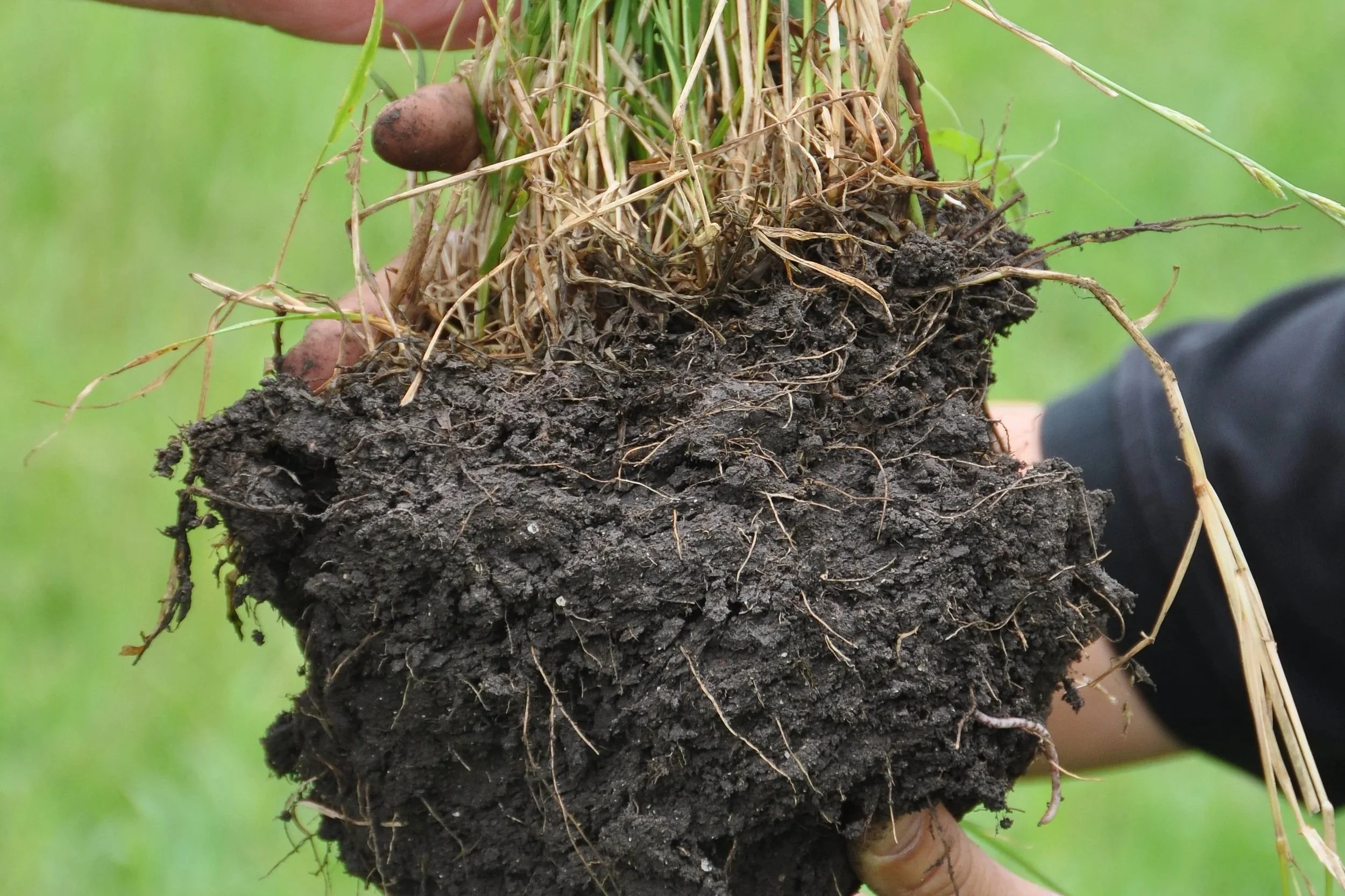
"If you think of the soil food web … it's essentially the process of eating and being eaten." Luke Jones
Dig Deeper
Foxtails, Illinois Extension
Pastures and Hayfields: Poisonous Weeds, Multiflora Rose, and Other Suggestions, Penn State Extension
Weed Management in Pasture Systems, Penn State Extension