Can we make more grazing versus growing?
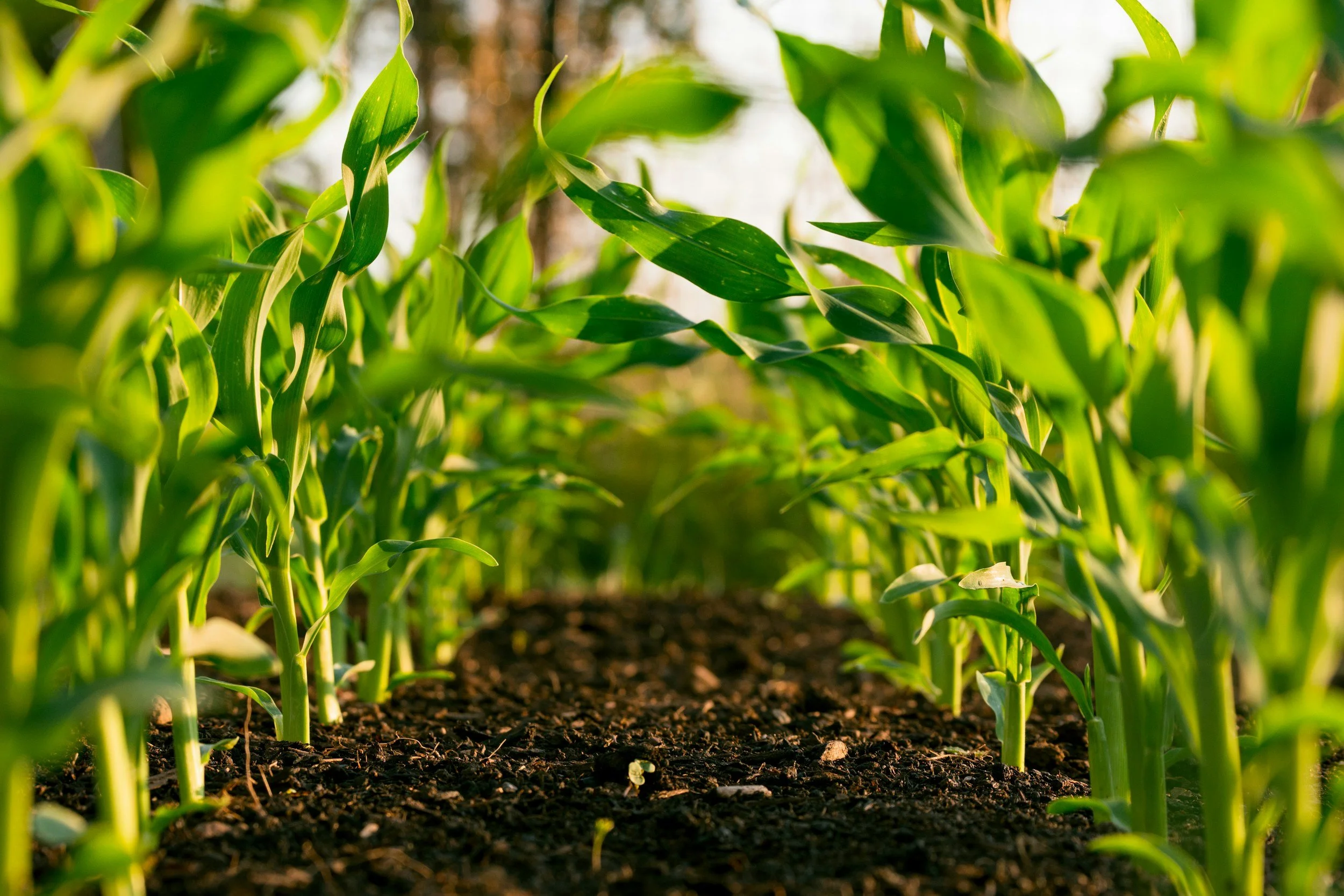
In western Illinois, our weather has been constant through the remainder of April and as we begin May, lots of wind and very little precipitation.
Weather challenges
It is a growing concern. Certainly, it also provides advantages. The row crop farmers have had a very large window in which to work. Still, I see unplanted acreages leased to the oversized corporate operations that are untouched. Perhaps that is a sign that they are extended a bit too far.
I attended a presentation by Dr. Choi, W.I.U. climate professor, and the last slide in his presentation showed our Corn Belt as the Great American Desert in 2100 if we don’t change some things (think greenhouse gases). My question was: Will this be due to climate change or that plus desertification (misuse of land, overgrazing, continued intense farming without regenerative practices)? His answer was some of both.
Updates to River Oak
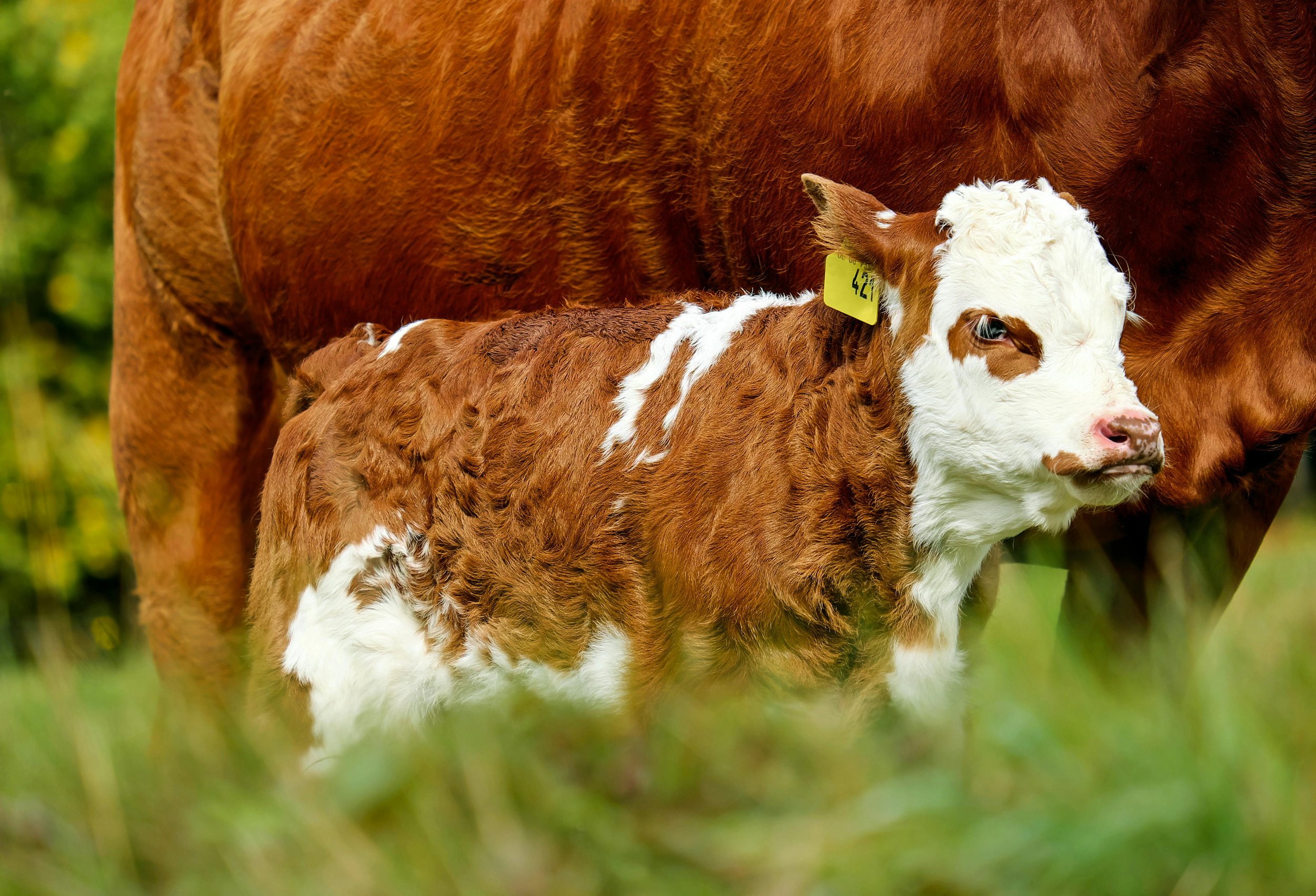
Last month I alluded to an announcement concerning our grazing operation here at River Oak for 2025. So, here it is. My lessee, Carson Welsh, after following the grain markets, checking input prices, and exploring the custom grazing scene, has made the decision to use the 63 acres of row crop ground here to graze custom calves.
After running the numbers, looking at my projections and grazing plans for the most efficient use, he feels there is more money to be made grazing than growing either of the row crops.
Next steps
The acreage will be seeded next week to a mix of sudan grass and rape. Soil temperatures were actually warm enough to go May 1, but not everything was in place.
The grazing will begin approximately 45 days later and continue until frost and prussic acid danger. We have so far planned some new access gates, temporary fencing lines, adequate water access, and some 20 paddocks for as many as 300 six weight calves. Most of the fencing and gates and water access is good due to having grazed corn residue in the past with cows. The operation will be new to us and there will be a lot to learn, but we both feel the time and plan is right.
Lessons to be learned
I have often talked about being able to match or exceed row crop profit with regenerative grazing and expert management on marginal land, but never on good black dirt. I plan to document very carefully the whole process and the dollars and cents, and publish that in this space and with others where there is interest. That will be a challenge in itself, not to mention the whole operation with the cattle. Hoping I am up for the challenge and I know Carson is capable of good decisions and handling any difficulties.
In the meantime, our normal grazing on the permanent 265 acres will be as usual. It began on April 17 and now has 100 cow pairs in two groups. One group with big calves (500#) are on the reeds canary, and a group with young calves is on the fescue and red clover. Red clover germination was good and looks very good right now!
Most of the row crops are emerging and everybody is calm so far. Hope that is true wherever you are. Stay safe and sane!
This article first appeared in AgriNews and is used with permission.