Implementing virtual fence on cropland and pasture
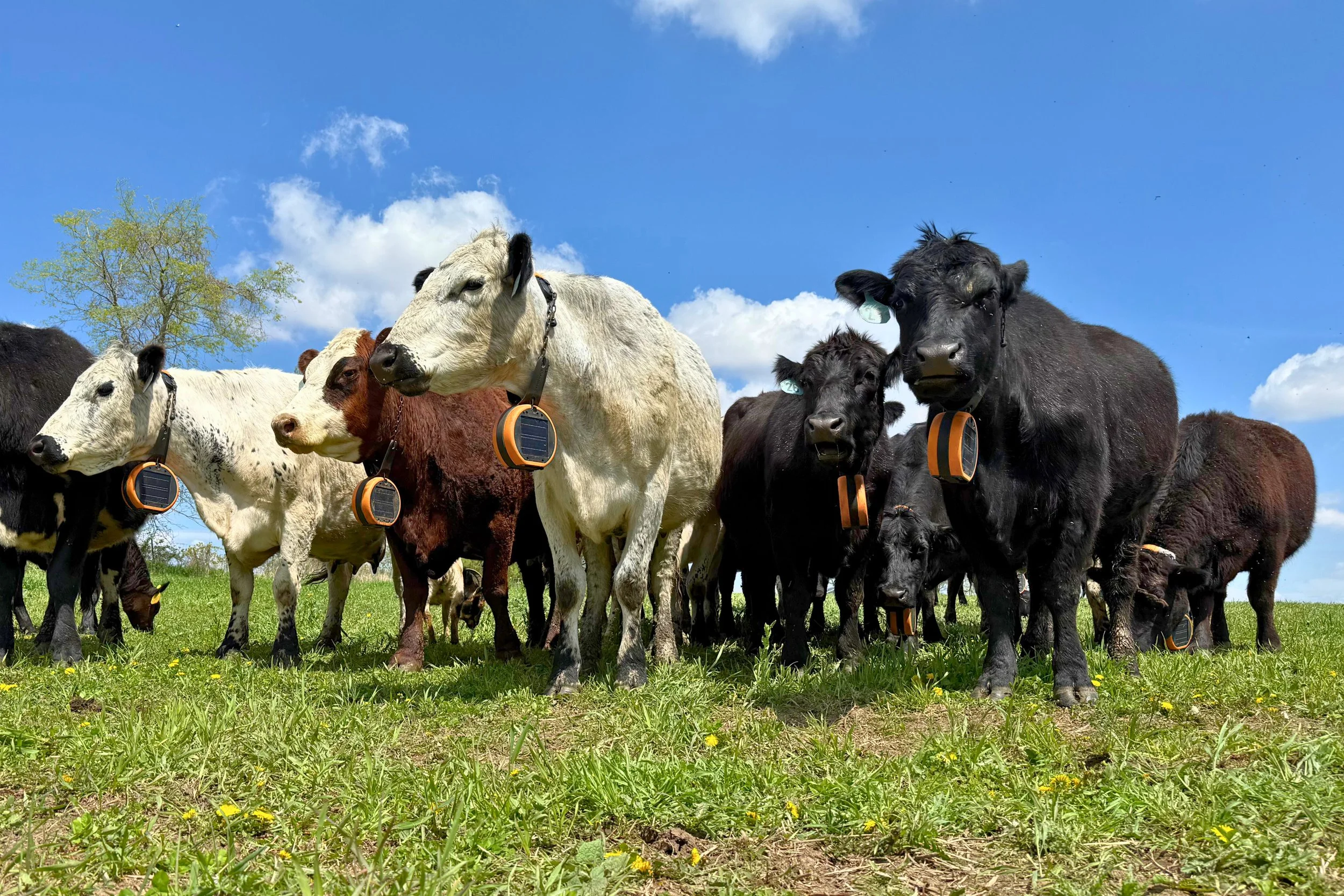
Image © Rosalie Trump
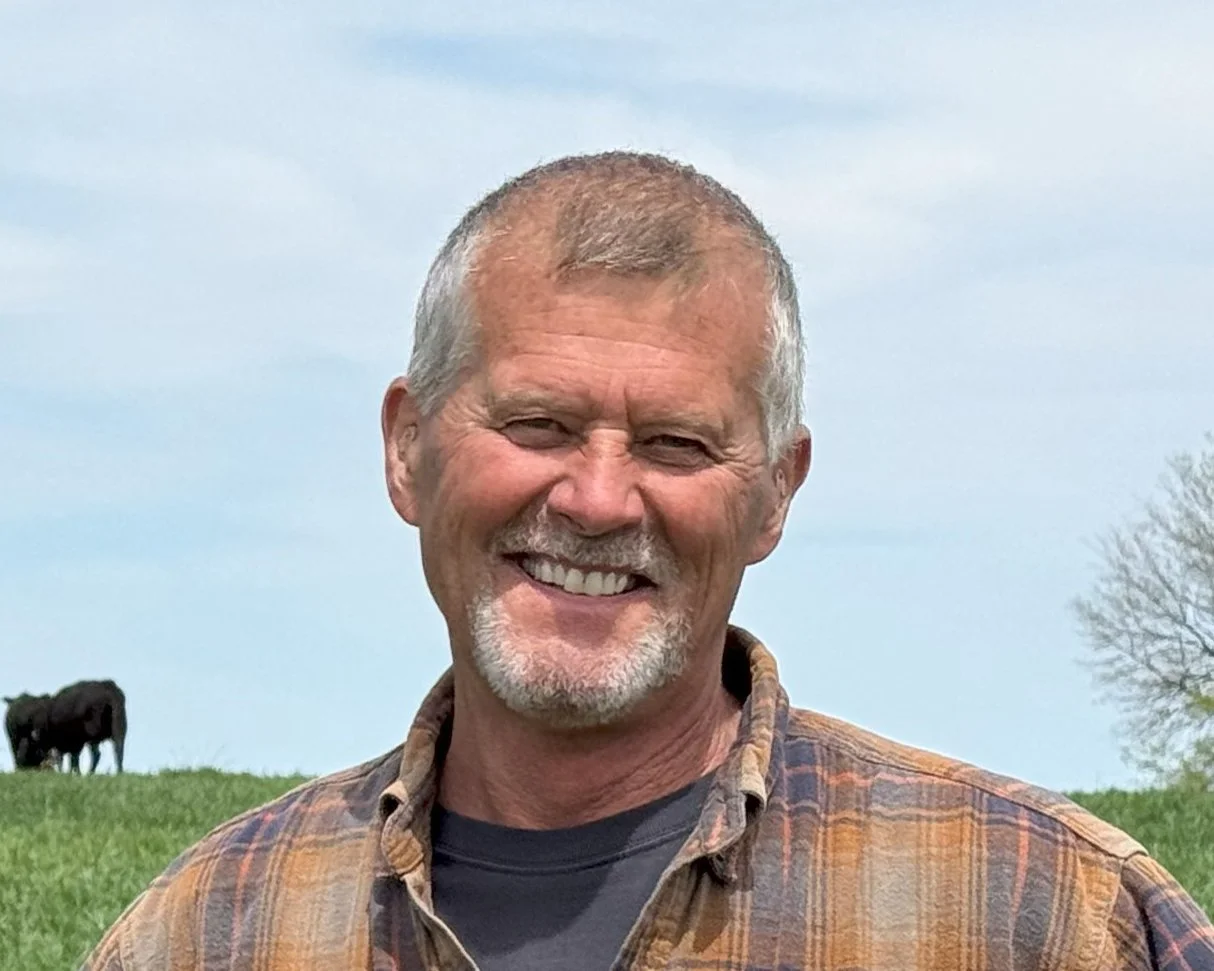
As a lifelong farmer, I’ve seen my fair share of innovation in agriculture. Some tools come and go, but others make a real difference. This spring, we began using virtual fence technology with our cow-calf herd, and after just two weeks it’s already changing how we manage grazing.
We installed GPS-enabled collars on our cows and downloaded the corresponding app to control grazing zones and track individual animals. The cattle learned the system surprisingly fast. Within a day, they had figured out the alert tones and boundaries. We didn’t collar the calves because they stay close to their moms anyway, and so far, that’s worked just fine.
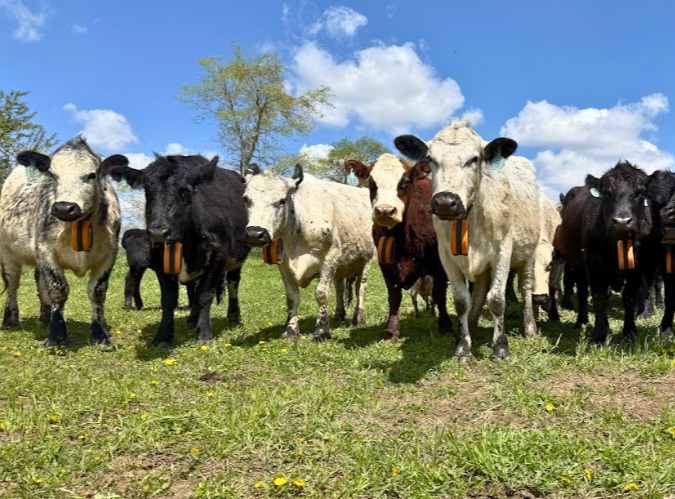
Image © Rosalie Trump
We have a strong perimeter fence in place already, so we’re using the virtual fence for internal paddock rotation. That means no more moving poly wire every day, which has saved us a significant amount of time. This is especially helpful in busy seasons when we might be planting or harvesting crops.
One of the greatest benefits for us is access to land areas we couldn’t easily graze before, including heavily wooded sections and crop land. Grazing these areas early in the spring allowed our permanent pastures to rest and establish tall forage growth before putting cattle on it for the season. This ultimately improves our forage quality and long-term productivity. We can also prevent back-grazing much more easily, which will improve pasture rest and recovery times throughout the grazing season.
Like any tool, it’s not a silver bullet, but it’s one that seems to fit well with our goals: work with natures rhythms, improve grazing management, and save time without compromising soil or livestock health. To say this tool improves our adaptability is an understatement!
For fellow graziers considering this technology, I’d say this: it’s worth a hard look. As with any new technology, there is a financial investment. Each operation will have to decide what sort of return on investment they could get out of the technology. We’ll keep experimenting, but so far, the early results have been encouraging on our farm.
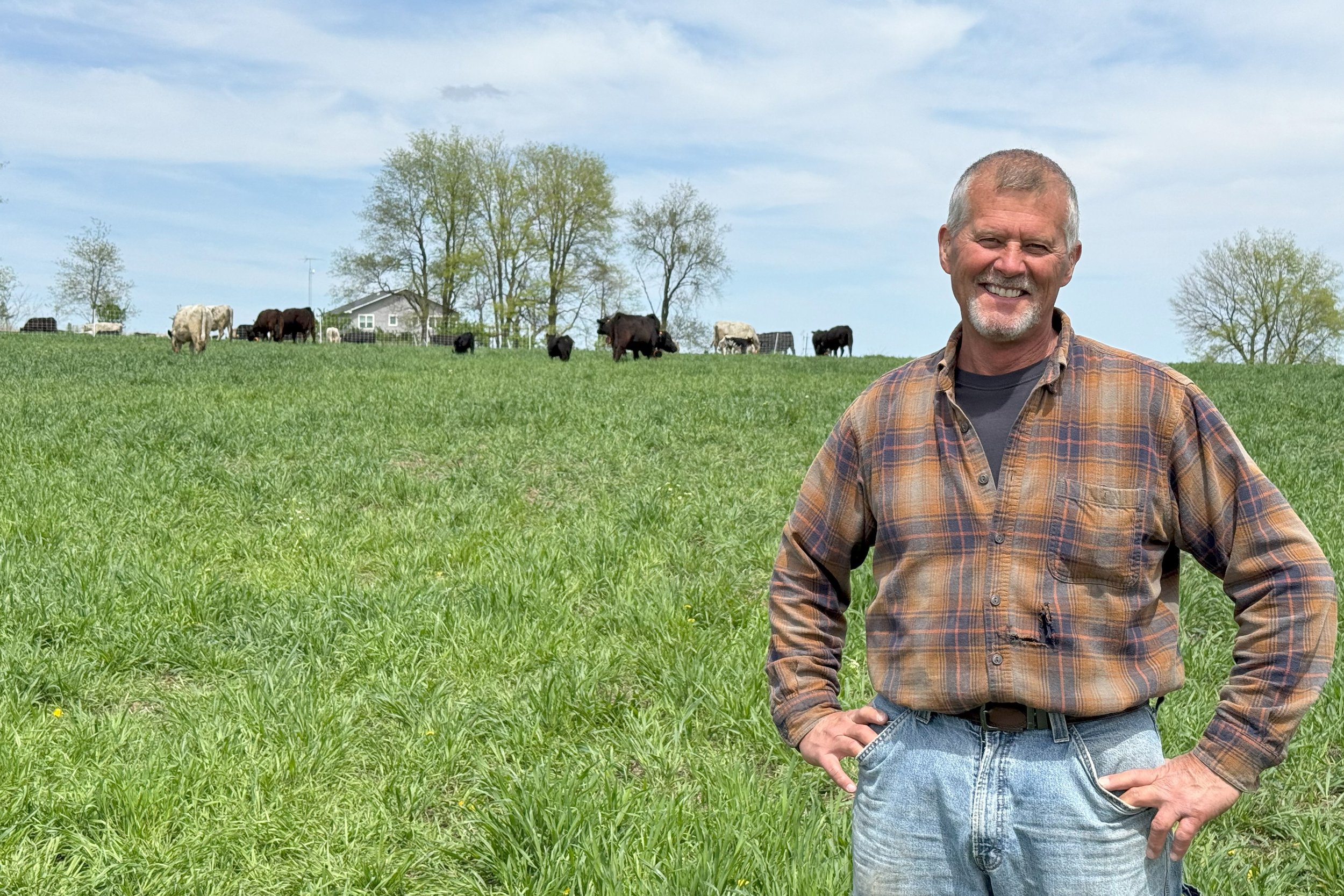
Image © Rosalie Trump. Dan Sanderson