Going ‘all-in’ on sustaining natural systems
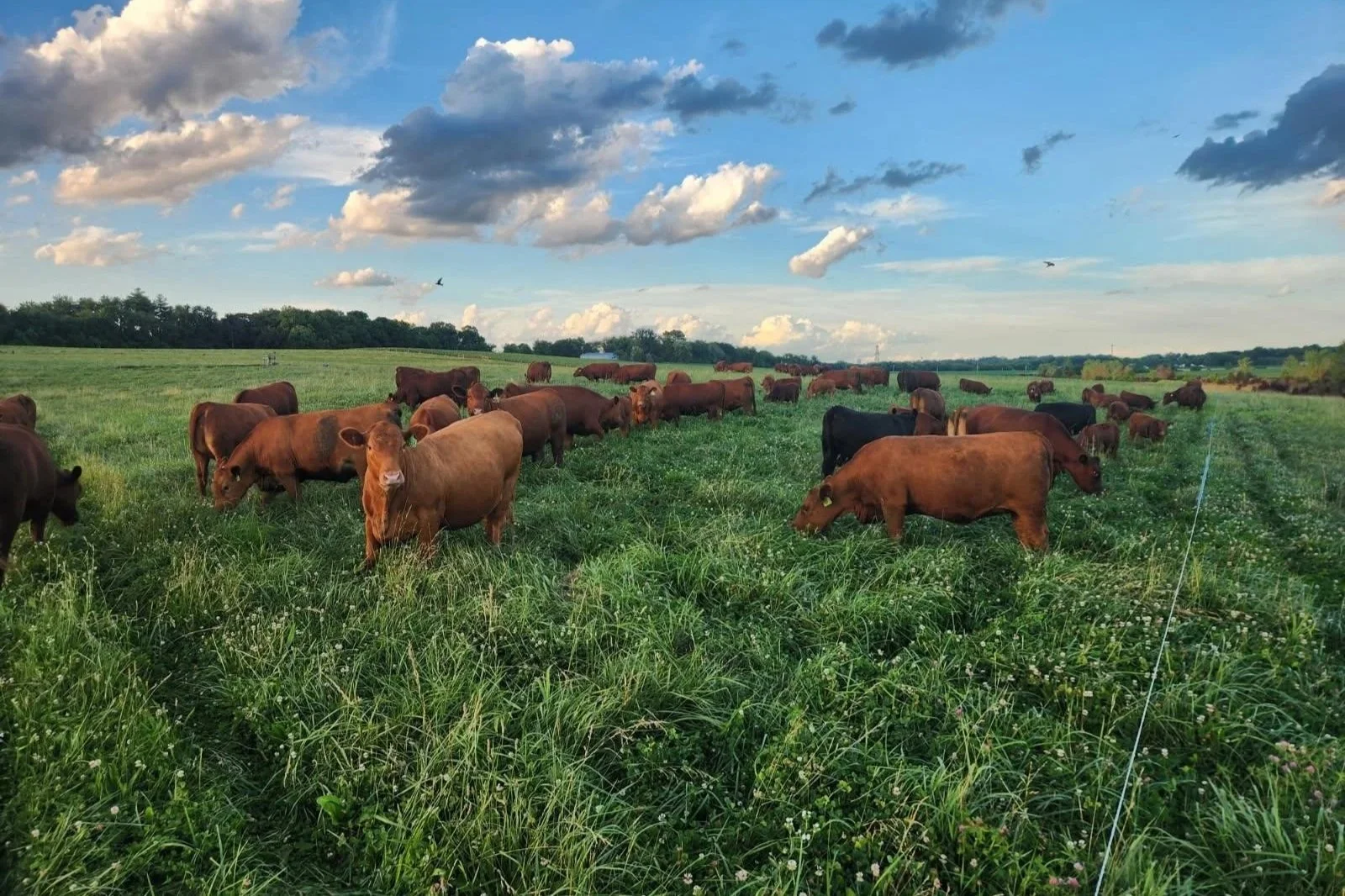
“I’m convinced of one thing: the more I leave things alone, the more things take care of themselves.”
Ted Krauskopf has demonstrated a lifelong conservation ethic that consistently goes beyond regulatory requirements to protect and enhance natural resources.
On their 202-acre farm near Highland, Ted and his wife, Linda, has voluntarily placed 80 acres into a permanent conservation easement, ensuring long-term protection of wildlife habitat, water resources, and open space. In a county that is rapidly being developed, open space will be important for future conservation efforts. In addition, 3.9 acres are enrolled in a CRP Wetland contract, further supporting water quality, flood mitigation, and biodiversity.
Ted’s operation functions as an integrated ecological system where soil, water, plants, livestock, and wildlife are managed as interconnected components. Permanent pasture, wetland protection, and conservation easements create habitat continuity that benefits birds, pollinators, and other wildlife.
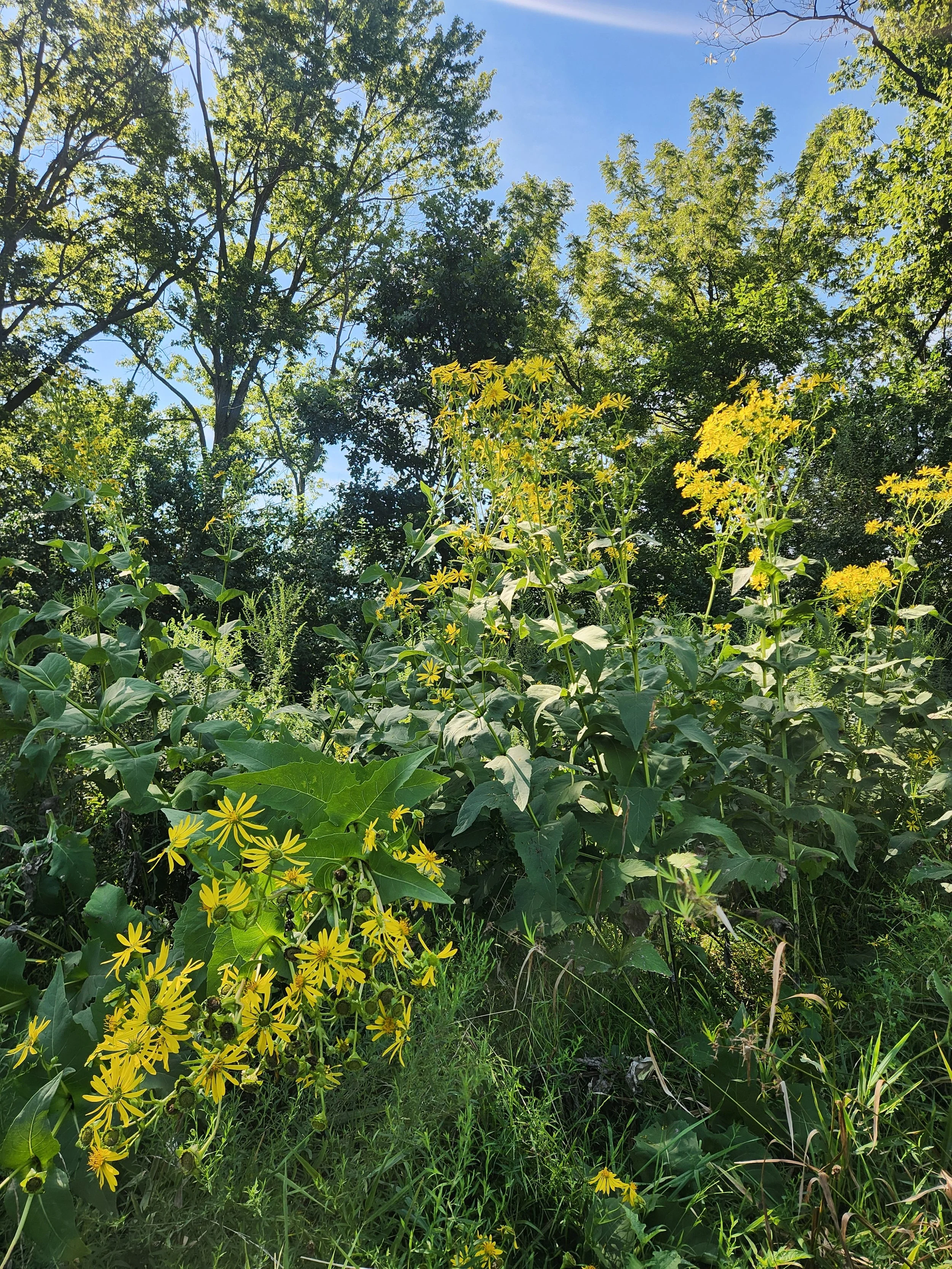
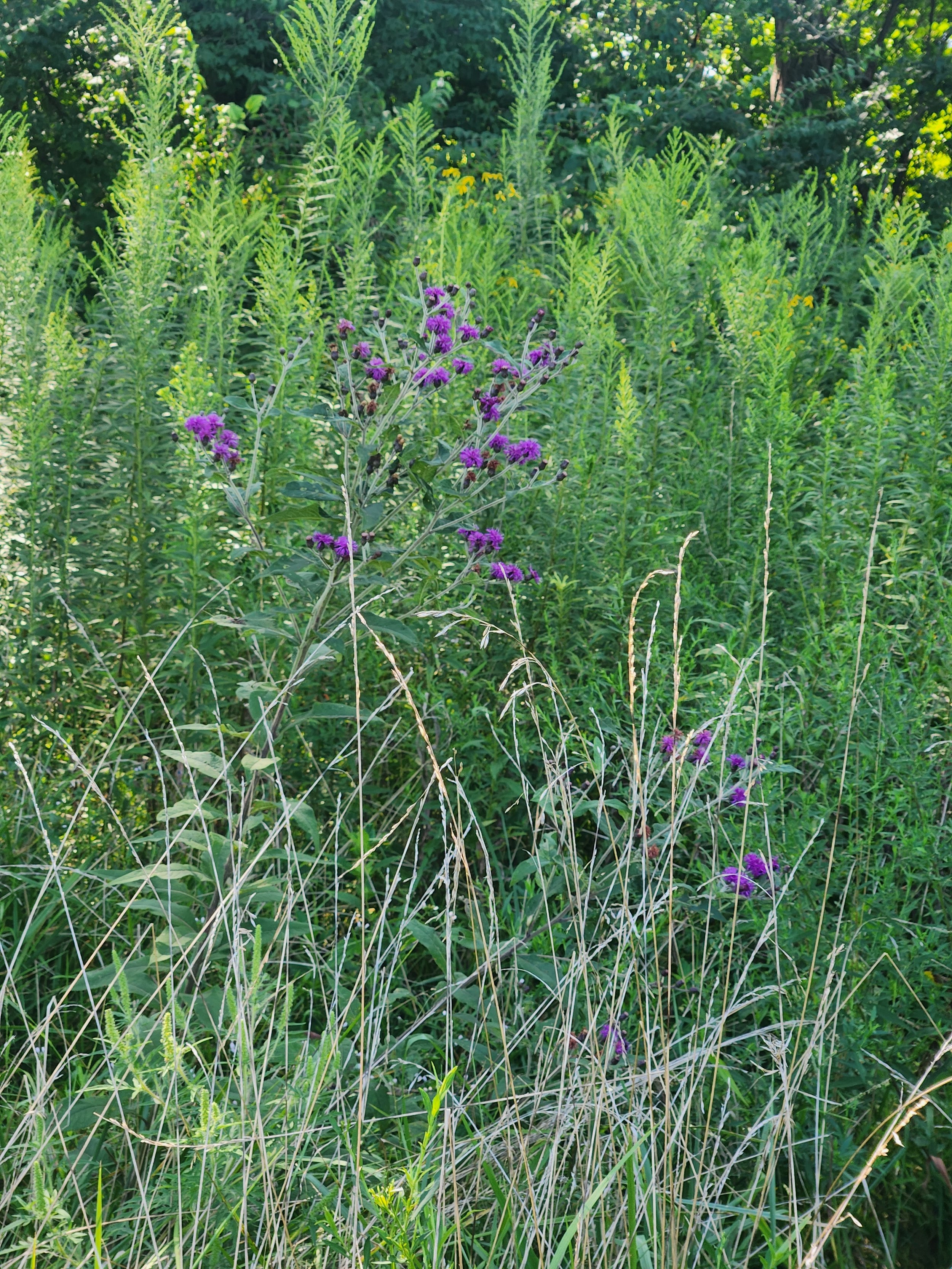
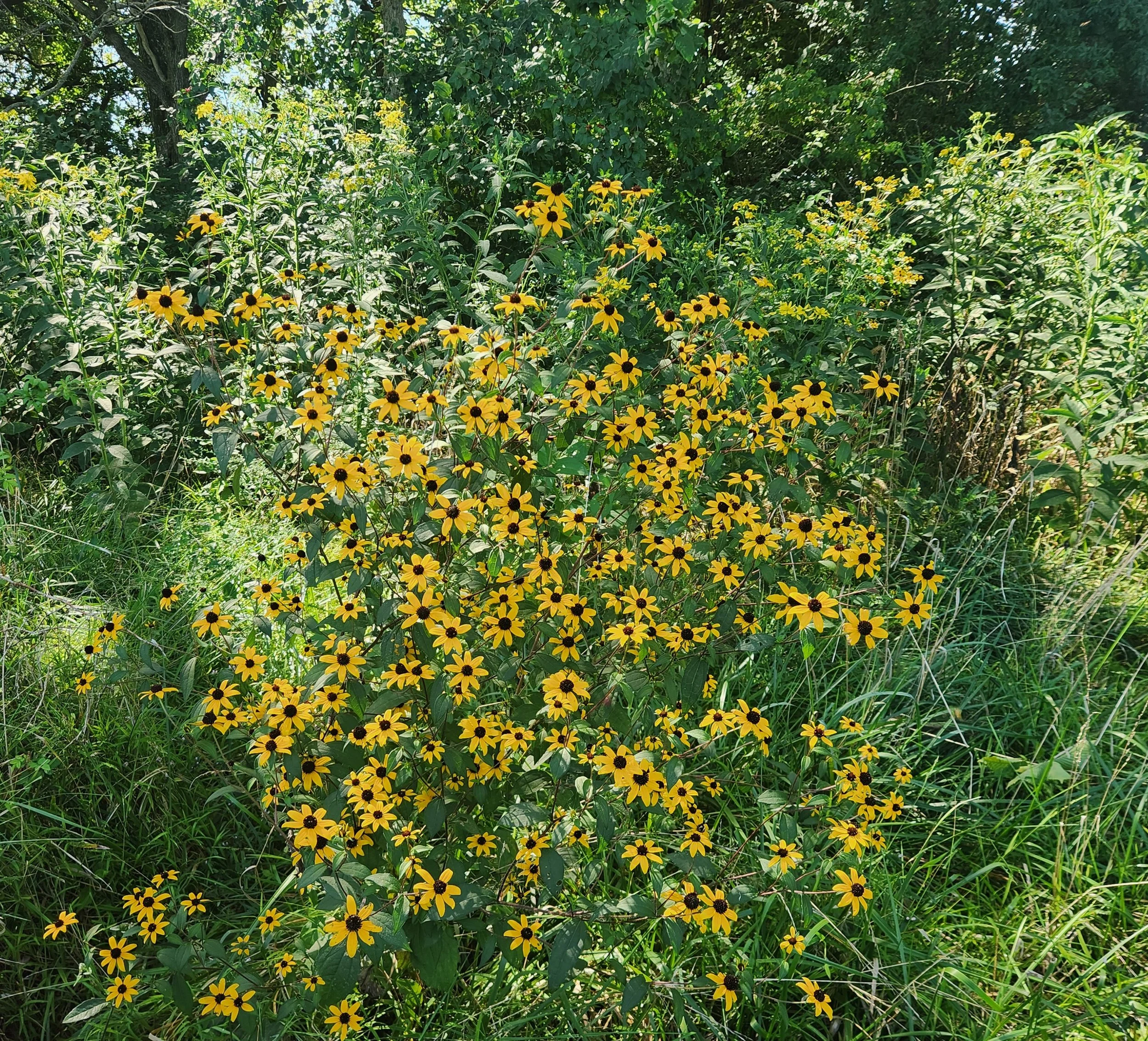
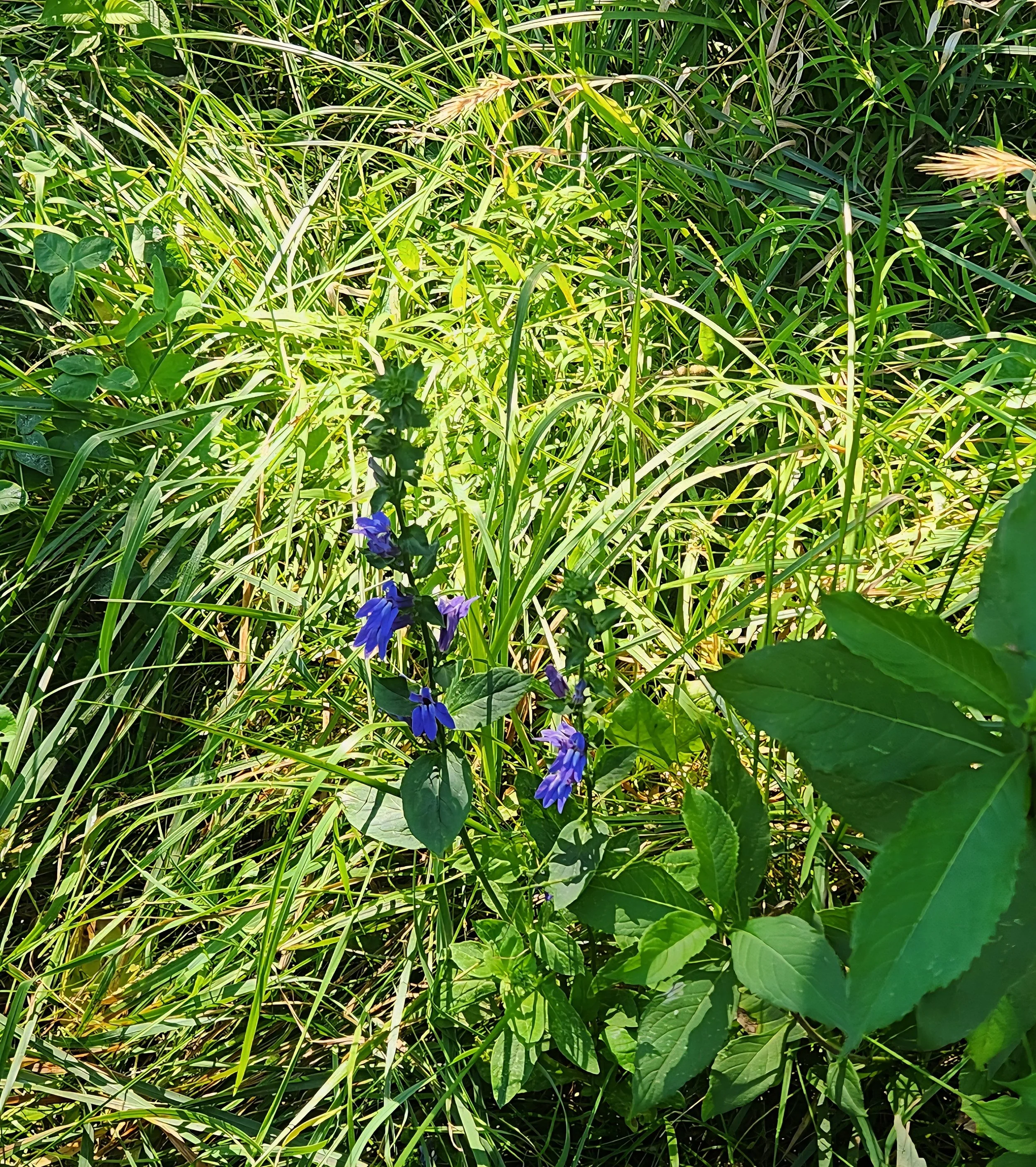
Ted appreciates the fringe benefits of his conservation efforts.
“Wildflowers come every year in late summer. The cattle graze around them. Though they don’t ‘make beef,’ I still see value in the natural ecology of the farm becoming whole in one more way.”
The full shift to managed grazing
Hickory Flat Cattle Company’s grazing system prioritizes soil health, forage diversity, and ecological function rather than maximizing production.
Managed grazing improves soil structure, increases organic matter, and enhances water infiltration, reducing erosion and downstream impacts, especially on sloped land like Ted's. Wetland areas provide additional ecosystem services, including water filtration and flood mitigation, benefiting both the farm and surrounding community.
By maintaining perennial cover and minimizing disturbance, Ted’s farm contributes to broader landscape resilience. The conservation easement ensures these benefits extend beyond Ted’s lifetime, providing lasting value to neighbors, watersheds, and future generations.
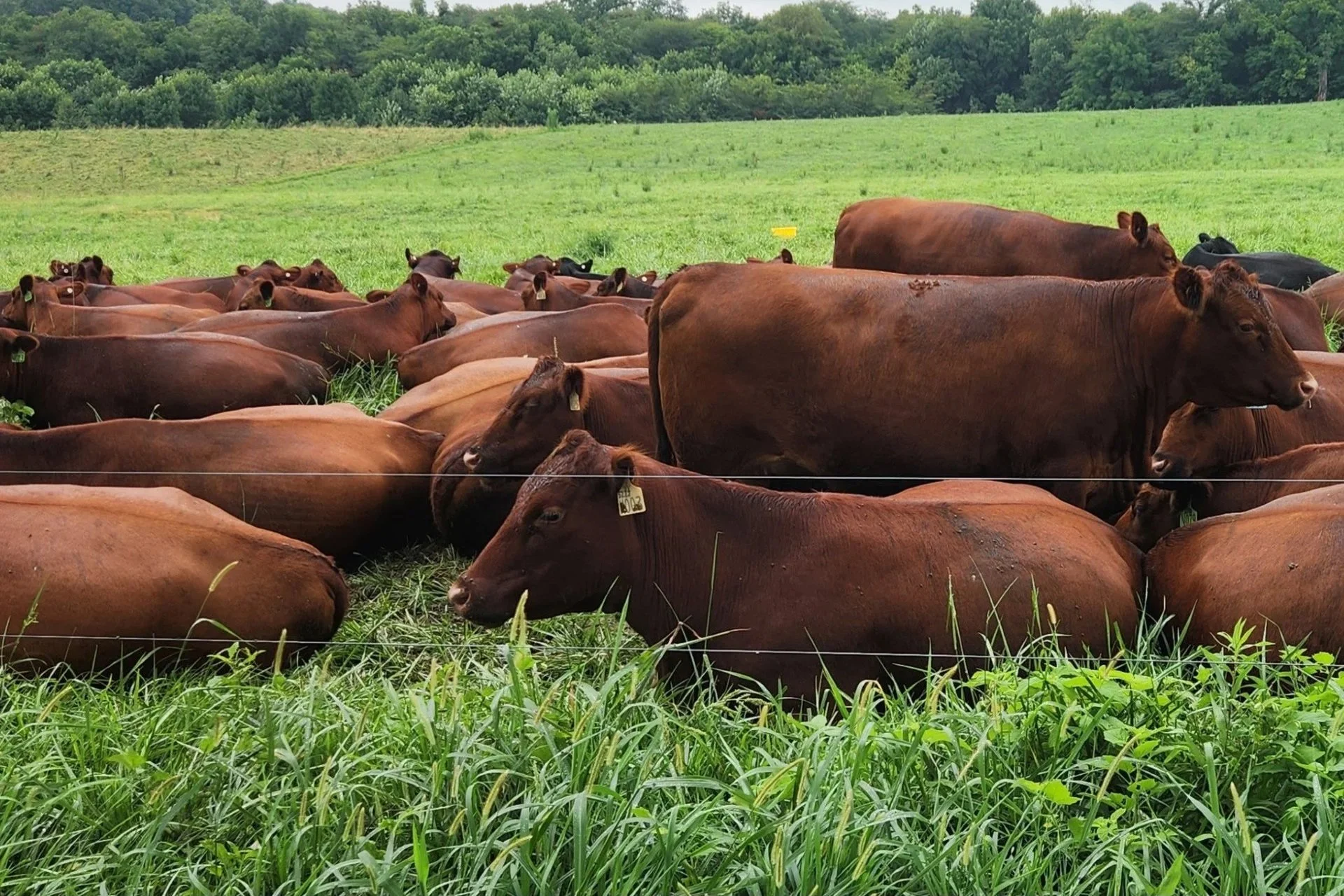
Cattle owned by Andras Stock Farm
By dedicating a majority of his acreage to pasture and conservation uses, Ted has reduced reliance on external inputs and increased the farm’s ability to withstand changes in weather and commodity prices. A testament to his faith in the natural ecosystem, Ted once expressed, “I’m convinced of one thing: the more I leave things alone, the more things take care of themselves.”
Ted has consistently demonstrated a willingness to adapt and take calculated risks in response to changing conditions. In 2007, he decided to stop growing crops on his sloped ground and instead planted a grass/legume mixture and annual forage crops for grazing livestock. He uses minimum tillage when planting annuals and even sold his hay equipment to reduce the frequency of baling hay from the pasture.
“The main trigger for the change to grass-based agriculture was seeing these highly erodible fields lose soil and not having a decent way to correct that problem. This type of grazing has pretty well ended that. ”
Adaptive grazing practices supported by long-term infrastructure investments like water access, paddock fencing, and managed winter feeding areas allow the farm to maintain forage productivity while protecting soil structure. These systems help buffer the impacts of drought, heavy rainfall, and seasonal extremes without high or ongoing input costs.
Beginning in 2007, he entered an EQIP contract to install fencing, watering points, access roads with stream crossings, and a winter feeding station. These investments required significant personal commitment but delivered lasting environmental benefits. A subsequent CSP contract in 2015 further strengthened pasture management practices.
Managed grazing requires adaptability. Often what worked during one growing season doesn't work the next. Regardless, Ted has demonstrated how grazing systems can meet both ecological and economic goals.
“I allow the livestock to manage the forage for the best forage production,” Ted says. “In turn, the livestock directly benefit by getting the most nutritious feed.”
In summer, Ted accelerates his paddock transfer to get ahead of any foxtail head growth.
“Often, there is not much difference between where they already grazed, and what they will graze next,” Ted says. “I'm moving them faster to cover more acres to get that foxtail before it heads out. They're eating the foxtail and clovers first, along with a bite of fescue.”
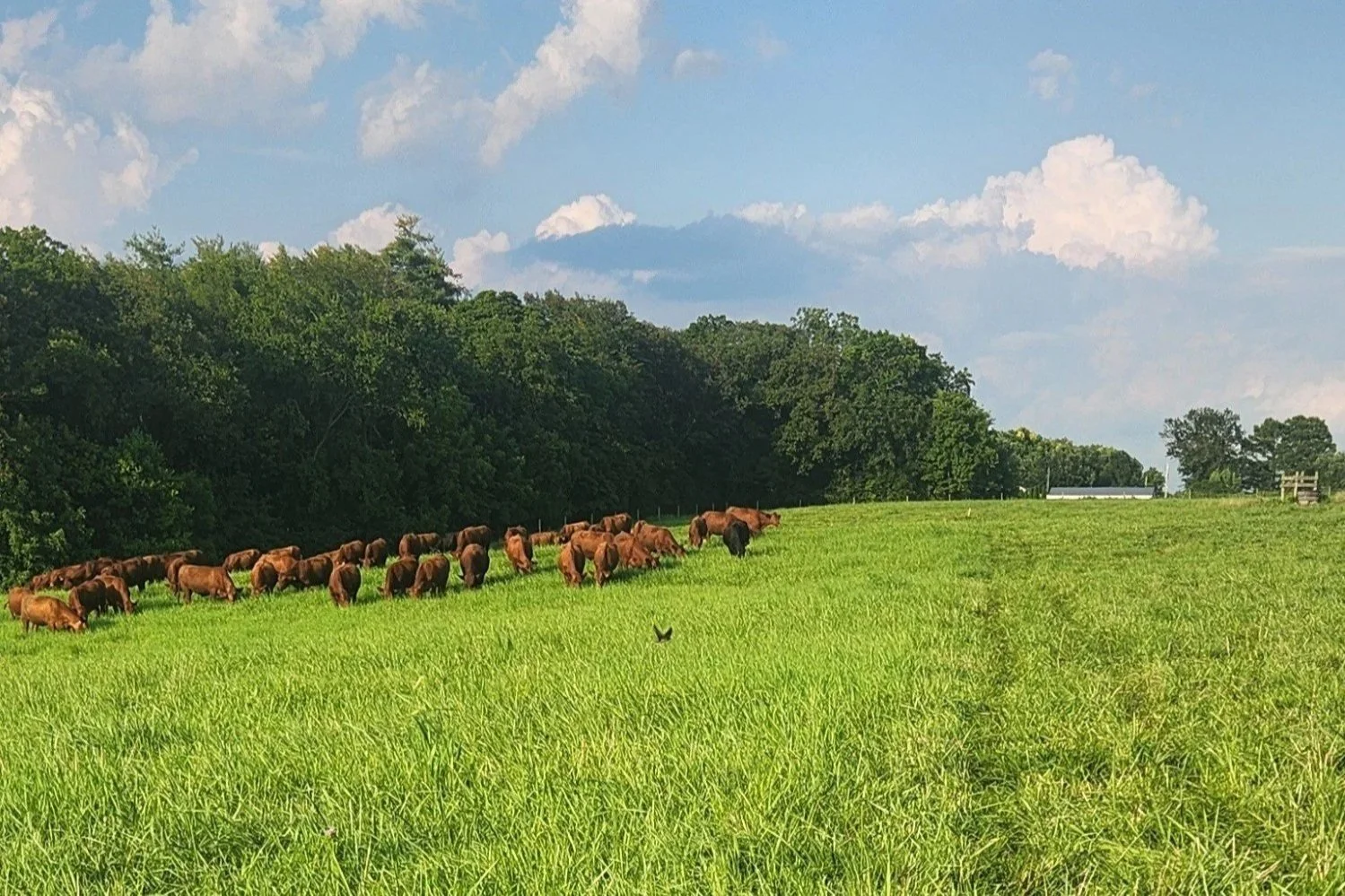
Cattle owned by Andras Stock Farm
Leaving residual forage is so beneficial, Ted says, allowing the root system to function at full strength. When forage is grazed too short, the root system shrinks because there is not enough leaf area to support it. Extra forage coverage keeps the soil temperature cooler which means more soil moisture available for plant growth instead of evaporating.
“These practices are truly a win-win,” Ted says.
EQIP, CSP, CRP Wetland programs
Ted’s long-term engagement with federal conservation programs demonstrates foresight rather than short-term thinking. The farm’s EQIP, CSP, and CRP Wetland contracts are layered strategically, creating redundancy and resilience in soil health, water management, and forage systems. By emphasizing perennial cover, managed grazing, and wetland protection, the operation is better equipped to remain productive under future climate and market pressures.
Leadership and mentorship
Ted believes in the work he is doing and is more than willing to share what works with other farmers and organizations.
Ted has repeatedly opened his farm for conservation research, demonstration, and mentorship. His participation in projects such as The Pasture Project, Understanding Ag pasture walks, and the Ecdysis Foundation’s 1000 Farms Initiative reflects a willingness to subject his land to evaluation and transparency.
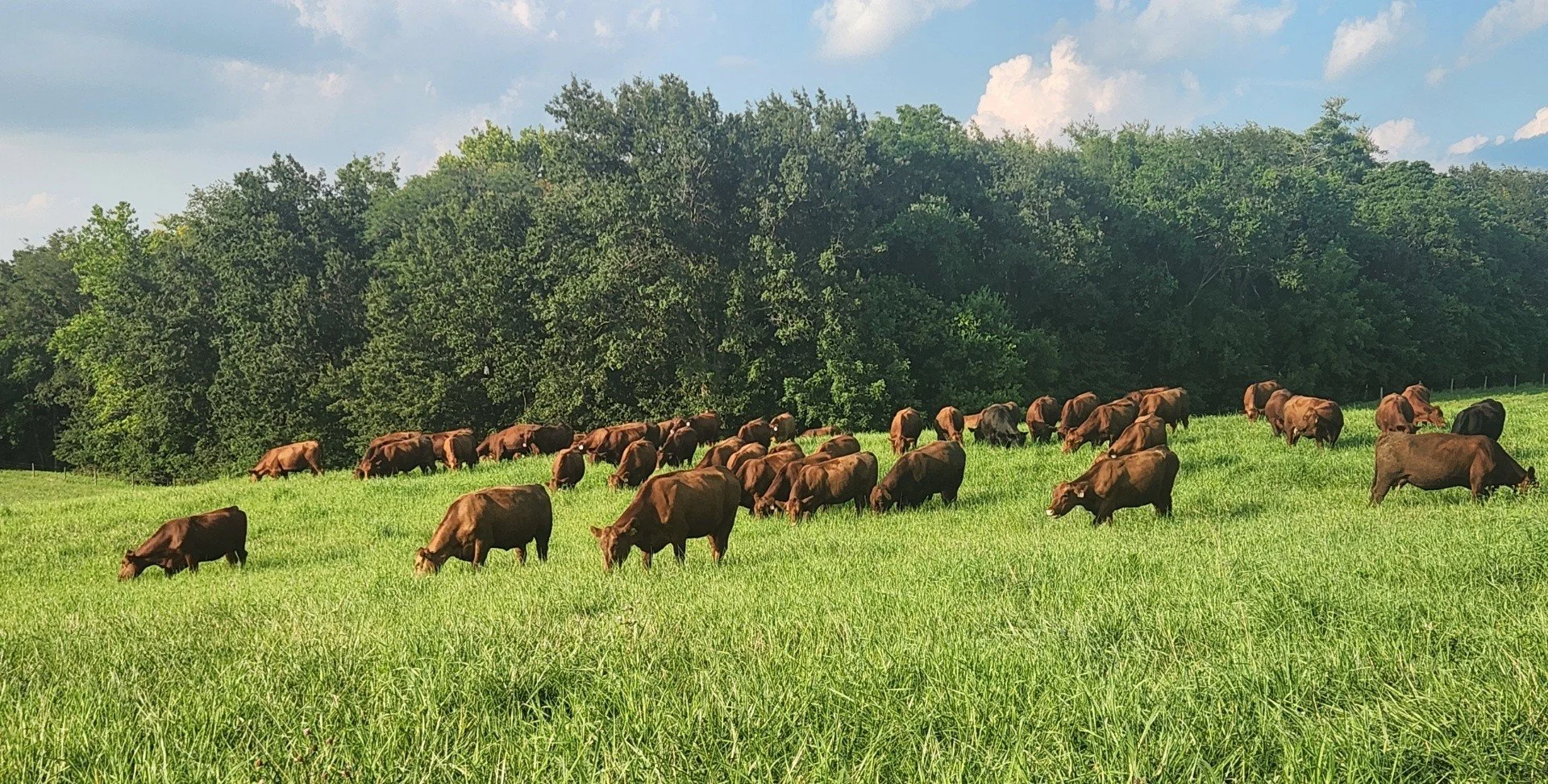
Cattle owned by Andras Stock Farm
Ted’s leadership in conservation extends far beyond his own farm. He has dedicated decades of service to conservation organizations and producer-led education efforts that amplify his impact across Illinois.
Ted served multiple terms with the Madison County Soil and Water Conservation District, including two terms as treasurer, helping guide local conservation priorities and ensure responsible stewardship of public resources. He also served on the board of Southwestern Illinois Resource Conservation and Development, later known as Heartlands Conservancy, where he volunteered for five years monitoring conservation easements and filing formal reports.
Ted has also taken the time to mentor other Illinois farmers who want to set up their sloped land for more productive and environmentally sound farming practices.
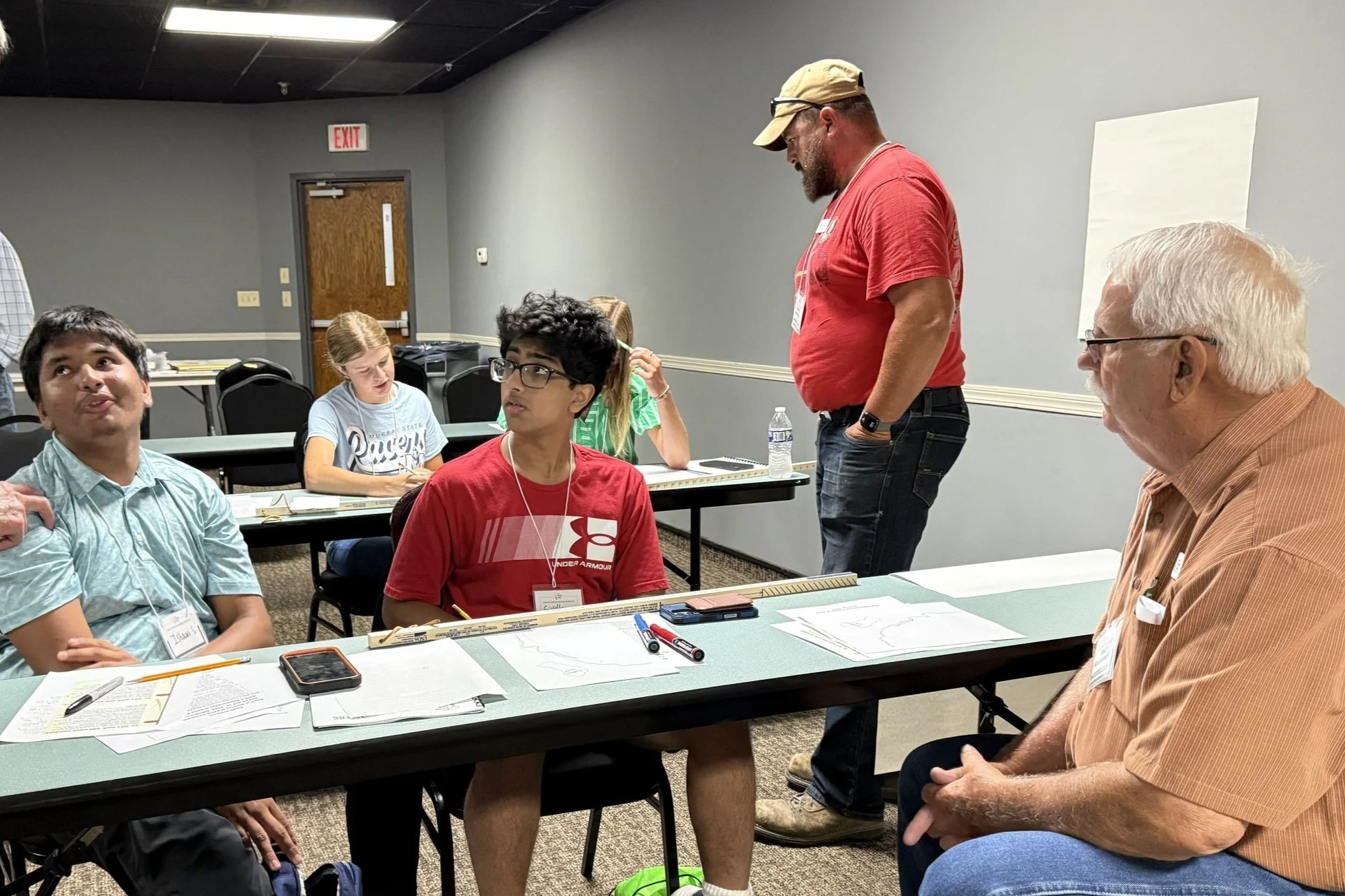
Ted (far right) recently mentored a team of 4-H members at the Illinois Grazing Lands Coalition’s Build a Regenerative Farm contest in Effingham. The 2-person team had no on-farm experience, but was able to create a basic operation incorporating forage, water, and fencing under Ted’s patience guidance.
His long-standing service as an officer and board member of the Illinois Grazing Lands Coalition further demonstrates leadership. Through this role, Ted helped build an organization that now provides education, technical assistance, and peer-to-peer learning opportunities for graziers statewide.
Through both stewardship and leadership, Ted Krauskopf exemplifies how working lands can support agricultural production while restoring and sustaining natural systems.
Feature video from the Wallace Center.