What 200 years of growing hay taught us
Quick overview:
Not all hay is created equal. Identify your market and grow what they need. Customers are not buying by quantity; they're buying by quality. If you make a good product, you will be rewarded.
When the hay is ready to go, that's your priority. Hay comes first.
Leave 3 to 4 inches of growth. It improves air flow, promotes faster regrowth and plant health, and decreases crown damage.
Dependable employees are the biggest challenge, so invest in the best, most efficient machinery that gets the work done fast with lowest human capital needed.
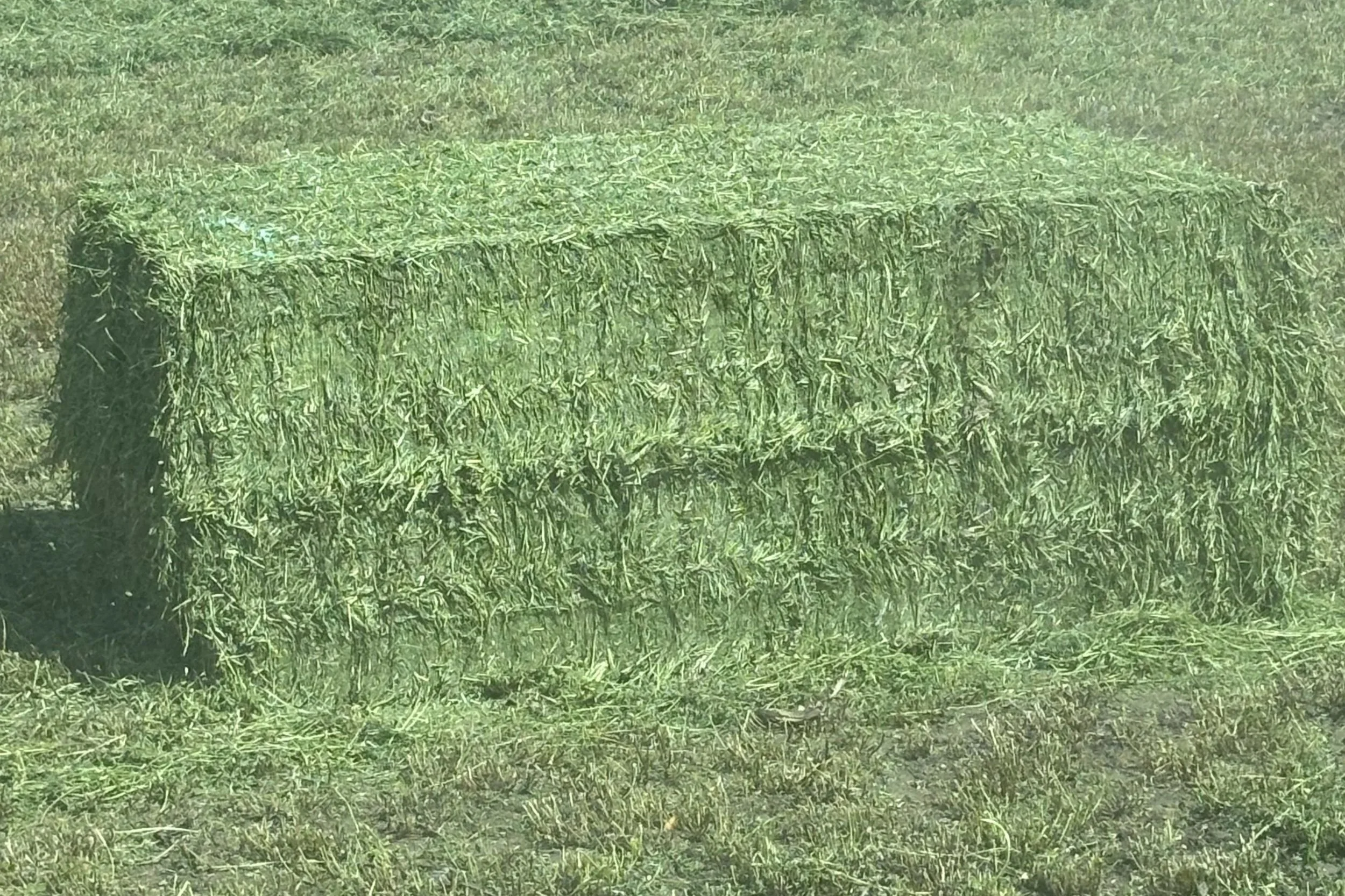
A day away from the hay field in the spring is rare for hay producers.
The Illinois Forage and Grassland Council gathered four veteran growers together at the Illinois Forage Institute for a producer-led discussion on building a successful hay operation.
Between them, they have more than 200 years of experience.
They talked about how fickle the hay business is, the demands it makes on your time, the frustrations of weather and costs, and the challenges of finding good help. The crowd of growers and graziers attending nodded their heads. They get it.
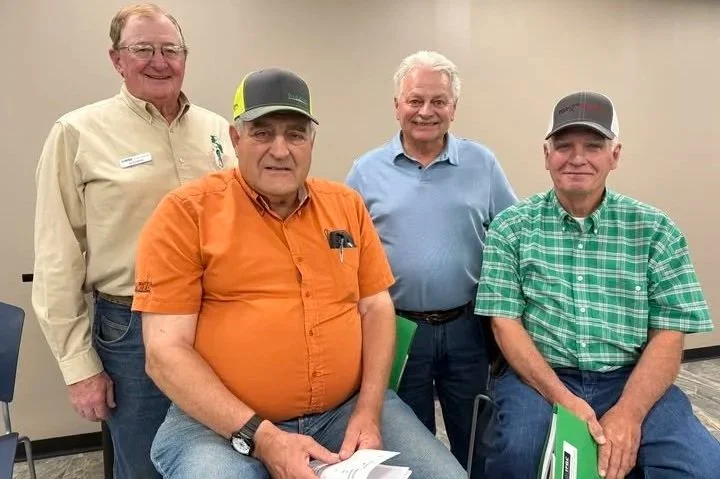
Illinois forage panelists
Steve Berning of Galusha Farms, Warrenville
Ron Tombaugh of Dart Hay Service, Streator
Kendall Guither, Walnut
Kenny Nell, Littleton
Unrelenting demands of the hay business
“If you don’t have the intention to make it work, then don’t get in the hay business,” Steve Berning says plainly. “The amount of sweat equity is huge. There’s always going to be a problem.”
Ron Tombaugh grew up on a dairy farm and knows what hard work is.
“When the hay is ready to go, it’s time,” Ron says. “That’s the priority; that’s your livelihood.”
Mature hay quality declines quickly and you’re always looking at that “weather window,” Kendall Guither says. “Make hay a priority over other crops. I’m often doing second cuttings when others are just doing their first.”
Kenny Nell admits that after all these years, he’s still learning. “You don’t have all the answers,” Kenny says. “You need dedication and personal motivation, or you can get behind pretty quickly.”
Finding qualified employees and effective machinery
Host Logan Karcher, director of producer programs for the Illinois Grazing Lands Coalition, asked the panelists what their biggest challenges were. They all agreed — finding people able and willing to do the work who they trust with $200,000 pieces of equipment.
As hay crews move through the area, it’s important to have work ready for them to do. Kenny shifts his crew from the hay field to the horse barn during down time, so he can ensure the crew always gets a paycheck. Loyalty matters.
The shortage of employees drove Steve to invest in more efficient machinery. He shifted his operation to 21-bale bundles. A 21-bale bundle is a single large unit made of 21 small square hay bales (typically 50 to 60 pounds each) typically stacked seven bales wide and three high, tightly banded together with heavy-duty plastic twine.
“I’ve got 800 acres of hay, so I’ve got to have efficiency,” Steve says. “Our customers work hand-in-hand with our process.”
Growers have seen a shift in consumer preference from small squares to big rounds to 21-bale bundles, Ron says. “You have to know the type of hay you’re producing and match that with the customer needs.”
Focus on quality
“Not all hay is created equal,” Kendall says, “so it’s important to identify the market and grow what they need.” Different digestive systems need different quality hay.
“People don’t buy quantity; they buy quality,” Kendall added. “Customers are more willing to pay more to match the rest of their ration needs.”
He told the story of two brothers; one bought higher quality hay from him; the other didn’t. When the second brother returned, he wanted the better quality saying his brother’s cows had significantly higher milk production on the better hay.
“If I’m going to work that hard, I might as well get the best quality; it weighs the same,” Kendall says.
“If you make a good product, you will be rewarded,” Kenny says. That’s the reason he now plants reduced-lignin alfalfa varieties which, he says, retains a higher quality longer after reaching maturity.
The University of Minnesota Extension trials tend to confirm this opinion.
“Reduced-lignin concentrations have the potential to increase the feeding value of alfalfa and widen the optimal harvest window,” reports Minnesota forage specialists, “making it possible for alfalfa producers to delay harvest and achieve greater yields while still maintaining a high forage nutritive value.”
Production practices that work
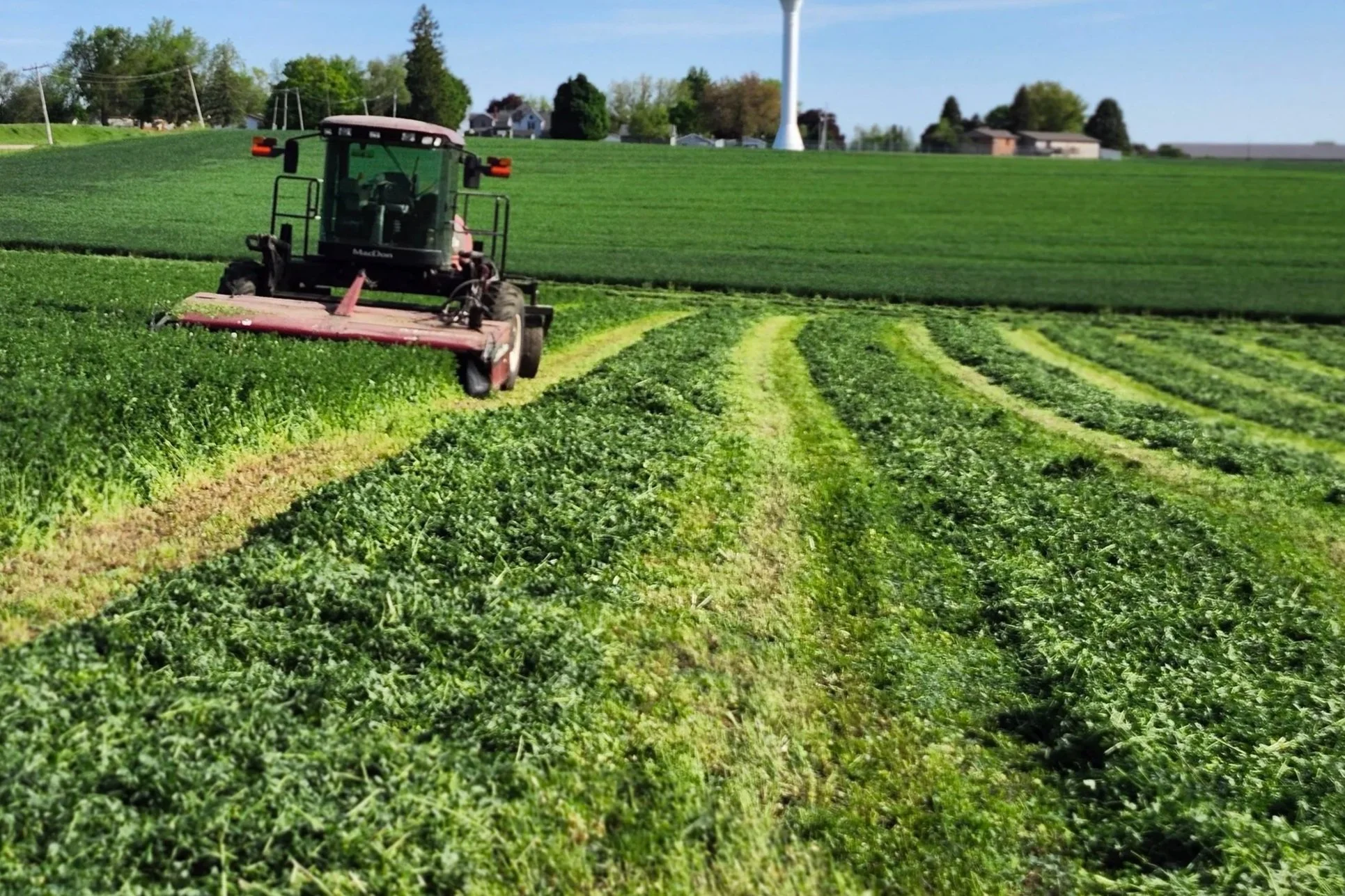
Healthy stands of alfalfa last three to six years, according to Robert Kallenbach of University of Missouri Extension. Most of the panelists use a four-year cycle, followed by a year of row-crops before reseeding alfalfa. Apply lime to the field a year before seeding, Kendall says, and carefully control weeds and insects.
“It takes 10 to 12 inches of forage growth to be worthwhile, and you should leave 3 to 4 inches of growth,” Ron says. “This increases air flow, promotes faster and healthier regrowth, and reduces crown damage.”
Kendall sees the value of making high-quality baleage. He started with big squares and wraps, then shifted to baleage over 25 years ago.
“It’s easier and more fun to make baleage than dry baled hay,” he says. “In all these years, I’ve never lost a crop.” He is consistently recognized at the World Dairy Expo in the baleage division of the World Forage Analysis Superbowl.
“Hay is a fickle business,” Steve says. “You have to be ready to pivot.”
Dig Deeper
Hay & Pasture, University of Illinois Extension
Reduced-lignin alfalfa varieties, University of Minnesota Extension.
Alfalfa, University of Missouri Extension.
Small bundles of joy, Hay & Forage Grower
Illinois farmer shares how he makes high-quality baleage, Farm Progress
You may also enjoy these blogs and videos
Improper hay storage cuts into the profits for hay and cattle producers. With demand for hay high, take steps to protect this year’s crop from loss.
Even the most successful grazing operations may need to feed hay at certain times of years. Three of the most popular ways are feeding in a bale ring, bale grazing, and bale unrolling.