Spring Grazing: Tips for a Successful Season
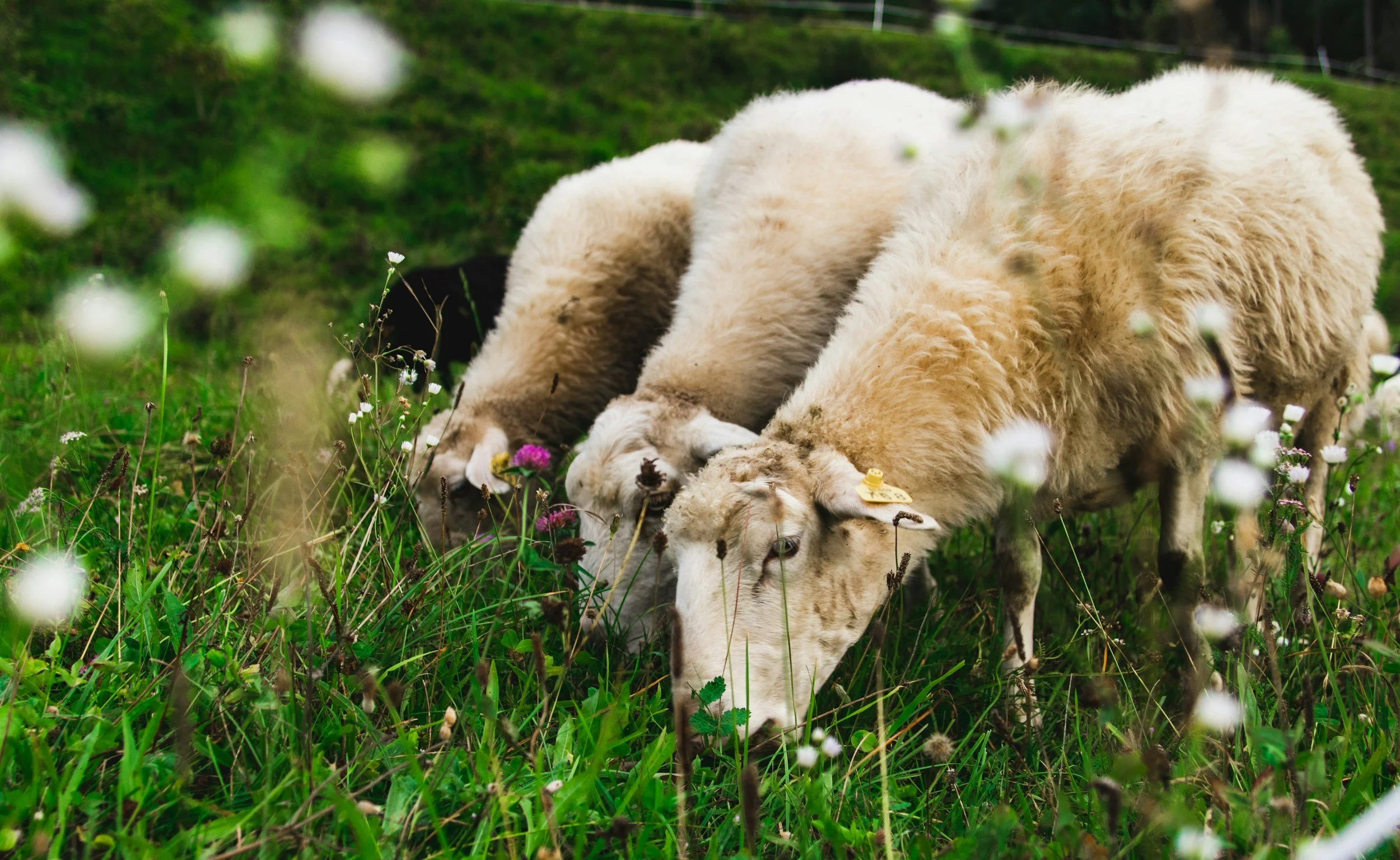
Spring arrives fast, and it's tempting to turn livestock out after a long winter of feeding hay. But how you start the grazing season sets the tone for everything that follows — pasture health, recovery rates, animal performance, and how hard you'll be chasing grass in August.
We asked some experienced Illinois graziers to share what they've learned. Their tips, paired with additional context from research, add up to one consistent message: the decisions you make in April and May will either pay dividends or cost you all season long.
Wait for the Right Start Height
The most consistent advice from producers across the state? Resist the temptation to turn out early.
"Don't rush it," says Dan Sanderson, an Illinois grazier who has learned this lesson the hard way. "Wait until your forages are waist-high to start grazing if you can. This will give you a strong root system that pays off throughout the season by setting your pastures up for faster recovery."
That matches what University of Illinois Extension recommends. Turning livestock out on immature forages can permanently damage grass stands, reducing yields and increasing weed pressure over time. Extension recommends delaying turnout until forages have reached at least eight inches in height.
The root system that builds up during that early spring growth is like an insurance policy. Forages that are allowed to reach proper height before grazing bounce back faster, hold up better during dry stretches, and outcompete weeds more effectively over the long run.
Producer Elton Mau keeps it simple: "Don't start grazing too early, and don't graze your forage shorter than four inches."
Keep Animals Moving
Once you're out there, the goal is momentum. Moving animals quickly through paddocks keeps forages in a vegetative state longer, which is where the nutritional value and regrowth energy live.
Cliff Schuette, who runs a rotational grazing system in Illinois, doesn't overthink it: "Move them fast to get around to every paddock, and don't worry how much you left behind."
That philosophy aligns closely with what high-performance grazing operations have found across the country. The Noble Research Institute aims to keep animals moving at a pace where they take only one bite of a plant and leave enough leaf structure to continue photosynthesis and rapid growth, allowing each paddock at least 30 days of rest before animals return.
Dan Sanderson puts it this way: "Graze half, leave half." It's a simple rule that keeps root reserves intact and recovery times shorter.
In early spring, rotation should occur more frequently to keep up with faster growth, then slow as summer approaches. Increasing residual heights and rest periods should be considered for areas that have been overworked or during dry periods.
When the Grass Gets Ahead of You
Some springs, no matter what you do, the grass wins. Growth outpaces your herd, paddocks get ahead, and suddenly you're managing a recovery situation. Logan Karcher of the Illinois Grazing Lands Coalition has a decision framework for exactly that moment:
"If you are always struggling to stay ahead of the grass, here are some things to try: temporarily add additional animals to your farm; keep animals moving quickly, let them only have a bite; if you can't do either, don't be afraid to leave a portion of the farm ungrazed — that's a good area to revisit for a high stock density graze. Last resort, use the bush hog to mow. Use the highest setting and only clip the tips. The goal is to keep the majority of the forages in a vegetative state for as long as possible."
That last-resort mowing tip matters: clipping is about maintaining forage quality, not tidying up. Cutting too low removes the leaf area plants need to recover quickly.
Observe, Adapt, and Give Yourself Options
No two springs are the same in Illinois. A late frost, a wet April, or an early dry spell can upend even the best-laid plan. The producers and researchers who manage pastures well share one trait: they watch closely and adjust quickly.
Start right, move fast, leave enough behind, and don't be afraid to pivot. That's a spring grazing plan that holds up.
Resources:Early spring grazing management tips — University of Illinois Extension |How to Optimize Spring Grazing on a Regenerative Ranch — Noble Research Institute