Talking profitability at winter meetings
In reviewing my February writing, I realize that quite a few things actually were finished or at least started in the last month.
I am pleased to report that! It often seems that with our Illinois weather, things sometimes are impossible to keep on schedule. We did receive 1.25 inches of rain, but none that added to our low pond levels.
Frost seeding and pasture harrowing
The rain did provide a nice finishing touch to our frost seeding and pasture harrowing which was completed just in time for the rain event. It is not always possible to get the Colorado harrow over all the paddocks, but got that accomplished this year. It scatters the many manure pats from winter grazing and also stirs up the dead grass and any bare top soil to improve germination of the frost seeded red clover.
Pond enhancements
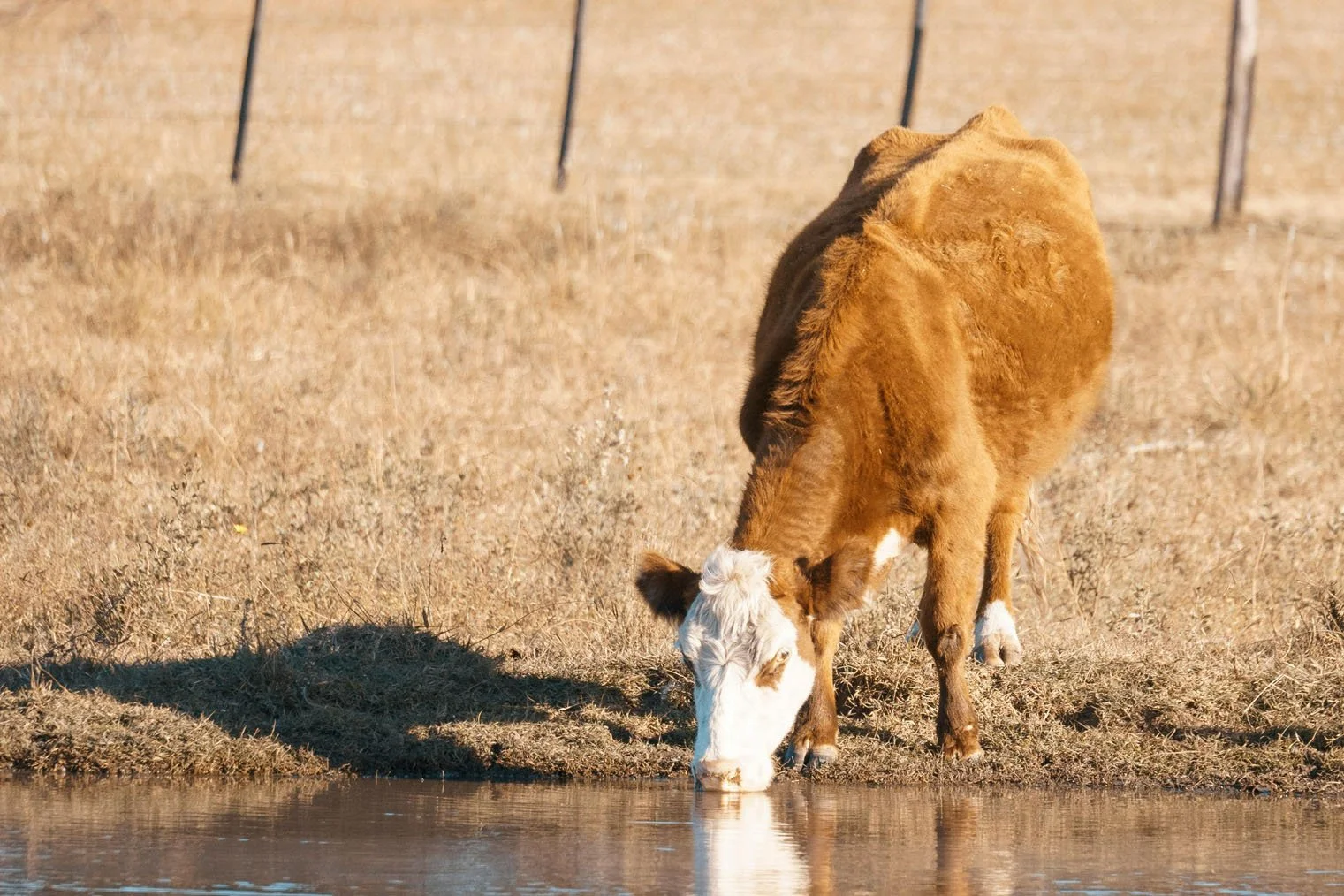
In addition, the track hoe arrived and started work on the pond enlargement project that I mentioned last month. With that project, I have also made the decision to cut off some of the overflow pipe to allow the addition of an elbow with the opening facing up. I will place a trash catcher over that to prevent any plugging.
That 8” elbow should raise the pond level overall and at the cattle watering ramp about one foot. However, these improvements will only work if we receive any runoff spring rains. I will keep you posted on that. And, I know: Be careful about what you wish. Every Illinoisan knows what I mean by that.
Meetings
Southern Iowa Grazing Conference
Speaking at the Southern Iowa Grazing Conference was a great experience and so different. The attendance was huge as grazing conferences usually go, including members from a large Amish community around the Bloomfield area.
The rewarding part was that I had a nice crowd filling the area for my presentation. We should hear more about whether you can make money grazing, and I am sure that everyone needs to.
“If we keep good records of the grazing days (the number of animals grazing a paddock for a day) and then assign a value to that, we can legitimately analyze a gross value and after expenses a net value for each grazing acre at the end of the grazing season. ”
A lender, a landlord, and certainly a serious producer might want to see those figures. We have been keeping those records for a number of years, and I have to say they are impressive.
They show healthy net returns on what some might say is land that has little value. With the value of all real estate these days, we should stop focusing all of our attention on weaning weights and gains and such, and concentrate on what we can produce per acre. Start keeping those records that will allow that focus.
Illinois Grazing Lands Coalition Annual Conference
When you read this, the Illinois Grazing Lands Coalition Annual Conference in Springfield will be over, but I am sure attendees will have some information they can take back home and make important improvements. Ed Ballard was honored by the Coalition for a very special career promoting grazing in our state. Ron Freeman, Tom Saxe, and Greg Thoren were recognized as Master Grazers.
Western Illinois University Production Tested Bull Sale
I will be attending the Western Illinois University Production Tested Bull Sale later on today as I write this. I am curious to see the crowd and the enthusiasm that the sale generates and talk with fellow producers about how they see the national herd expanding. Every indication seems to say that it will be a slow journey. Stay safe and sane!
This article first appear in AgriNews, March issue and used with permission.