Make water, fences, cover crops work for you
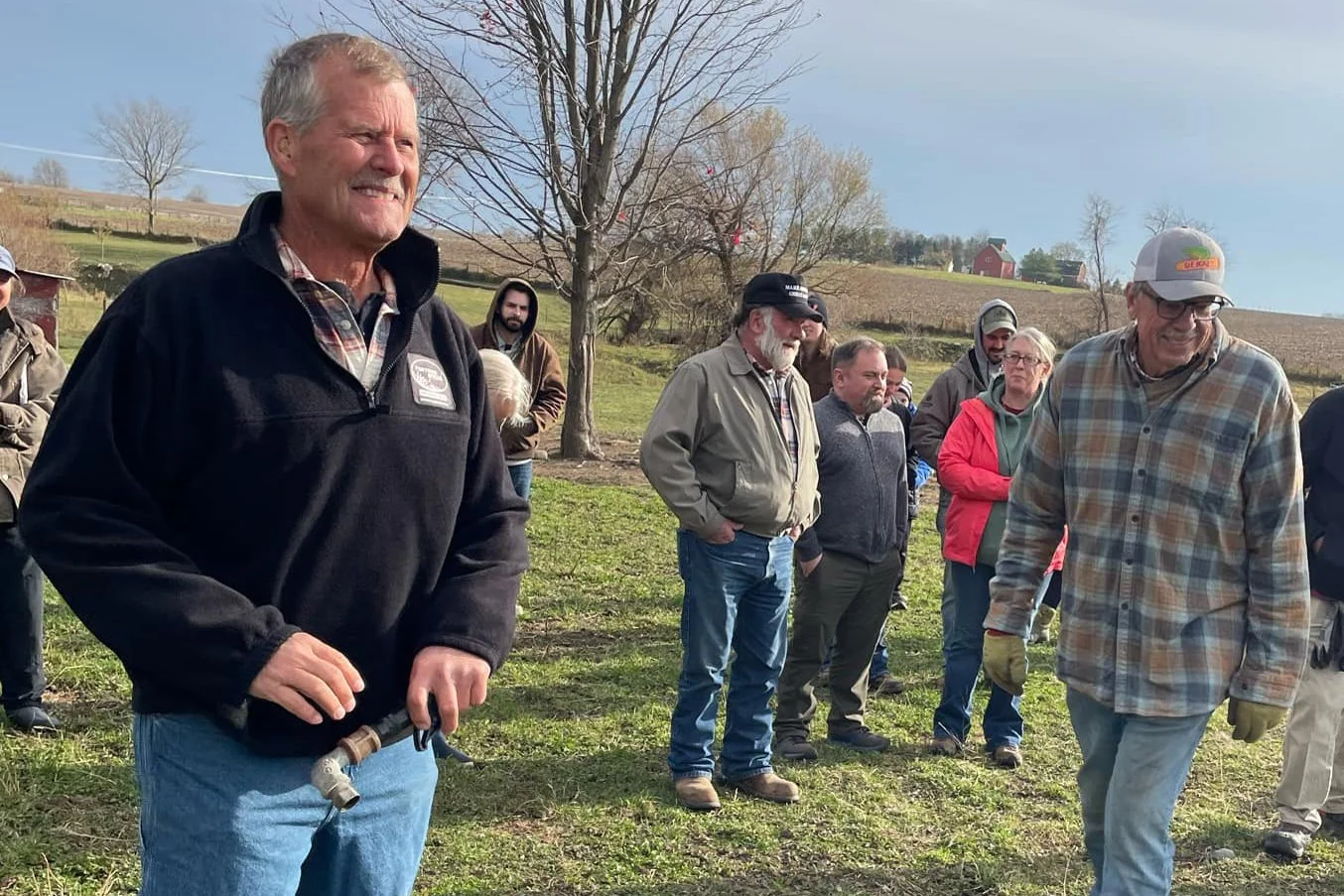
© Rosalie Trump. Dan Sanderson of Pasture Grazed Regenerative Farm.
Dan Sanderson transitioned to regenerative grazing on the 160 acres of both permanent pasture and cropland in northern Illinois.
Dan’s Pasture Grazed Regenerative Farm is a testament to how thoughtful infrastructure, creative grazing strategies, and direct-to-consumer marketing can create a thriving operation that benefits both the land and the community.
Waterline Infrastructure for Permanent Pasture
Dan’s waterline infrastructure simplifies daily cattle movements in permanent pastures. Dan uses 3/4-inch irrigation waterlines buried about 15 inches deep to create mobile water tank hookups throughout the pasture. Access to shade and water are a requirement of each daily grazing paddock, so having a mobile water sources makes it easier for Dan to set up paddocks and prevent back grazing and soil damage from heavy traffic areas.
Before winter, Dan uses an air compressor to blow out the lines, ensuring they don’t freeze. Livestock are moved to adjacent cropland during the winter months with access to a barn, so these waterlines are not in use during the cold months of Illinois winter.
Winter Grazing Practices
Having a winter grazing strategy is an important part of a regenerative system in northern Illinois. Cost efficiency is a top priority. During winter, Dan grazes cover crops after harvest and uses bale grazing. These practices not only extend the grazing season, but also offer soil health benefits on his cropland.
“We like to plant cover crops on most of our acres anyway, but rather than terminate them in the spring we try to make good use of them whenever possible as a valuable part of our grazing strategy.”
Fencing Fundamentals
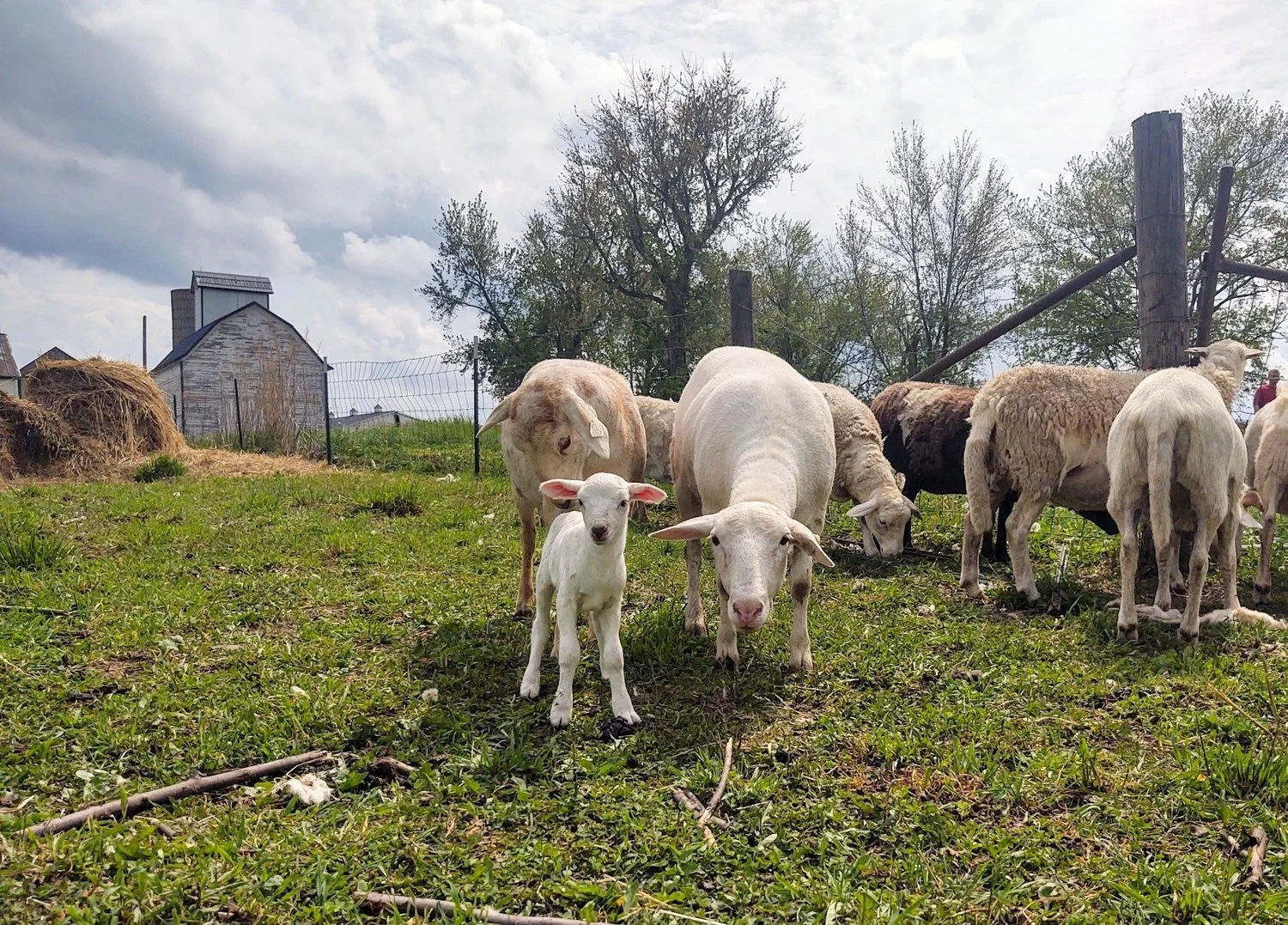
Good perimeter fence on all of your planned grazing land, whether it be permanent pasture or cropland, is a must. Dan uses 48-inch-high tinsel woven wire with a barbed wire strand on top for added security. Additionally, a hot wire is placed 12 inches inside the perimeter fence at approximately 36 inches high, allowing sheep to graze underneath, which keeps fence lines clear of trees and brush.
For internal paddock divisions, Dan relies on flexible poly wire setups, which make rotational grazing for cattle practical and efficient.
© Rosalie Trump
Multispecies Grazing
Dan’s operation stands out for its use of multispecies grazing, with cattle and sheep sharing the pastures. This practice not only improves forage diversity but also aids in pest control and enhances overall pasture health.
“Each species brings unique benefits to the land,” Dan says, highlighting the synergies created by this approach. Dan also runs a donkey with his sheep to deter coyotes.
Direct-to-Consumer Success
Dan sells meat directly to consumers from a small farm store. Direct sales are a critical component of his farm’s profitability since they don’t have to rely on volatile commodity prices to cover their input costs.
He suggests selling bulk orders like quarter beef or half pigs to start since this doesn’t require the additional overhead cost of processing or on-farm storage (customers pick up those orders and pay processors directly). The farm store offers an option for customers who want smaller quantities of meat.
Dan shared a wealth of practical knowledge and firsthand experience to other livestock producers in the region at the 2024 Illinois Grazing Lands Coalition Pasture Walk.