Fescue: The good, bad, and ugly
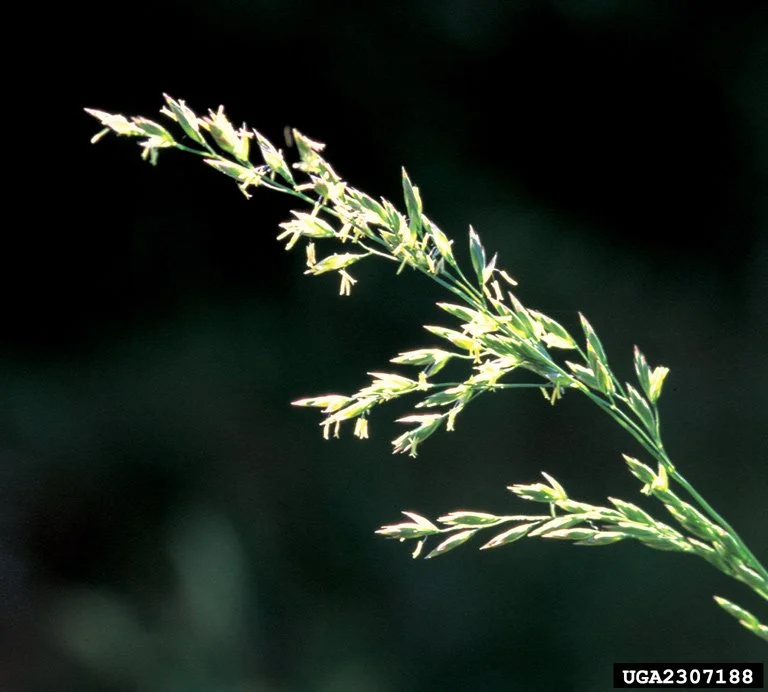
Photo: James H. Miller and Ted Bodner, Southern Weed Science Society, Bugwood.org
The Good
Tall fescue, though it is not native to this country, is found in a majority of pastures in the U.S. As a cool season pasture grass, tall fescue is easy to get established, adaptable to a wide range of soil conditions, tolerant of continuous grazing and environmental stressors, resistant to pests, and grazed long into the season, says Teresa Steckler, Illinois Extension commercial ag specialist at Dixon Spring Research Center in Southern Illinois.
The Bad
Unfortunately, fescue is often infected with endophyte.

Endophyte
“Endophyte is a fungus that grows inside a host plant, without causing it any harm,” says Mark Landefeld of Farm and Dairy. “In many cases the endophyte can be beneficial to the host plant making it more vigorous and competitive against other companion species. The endophyte produces chemicals called alkaloids that help protect the plant against insects and parasitic soil nematodes.”
That’s where the benefits end. “Some alkaloids are non-toxic to livestock while others, such as ergovaline, are toxic and they cause poor animal performance and health issues if livestock consume them in too high a quantity,” says Landefeld.
When ergovaline is consumed, animals can develop “fescue toxicosis.”
The Ugly
There are three types of animal disorders associated with endophyte-infected fescue forage or seed consumption, says Steckler.
“Fescue foot is characterized by gangrenous and necrotic tissue at the animal’s extremities, namely the tail, ears, and feet, with severe cases showing loss of the tail or hoof. This disorder usually occurs during the winter, especially when grazing stockpiled or N-fertilized tall fescue.”
“Fat necrosis is the accumulation of dense, necrotic fat deposits in the abdominal cavity of cattle, and occurs most likely in virtually pure tall fescue stands amended with high rates of N fertilizer. Acute cases can cause death in cattle by intestinal strangulation.”
“Fescue toxicosis describes the general conditions of unthrifty appearance and poor animal performance, exhibited especially during high temperature periods. The complex of symptoms includes poor weight gain and milk production, rough hair coat, excess salivation, elevated body temperature, depressed serum prolactin levels, and standing in shade and water. Milk production on endophyte-infected grass may be reduced by up to 50 percent. This disorder is responsible for the major economic losses to the USA beef industry caused by consumption of endophyte-infected tall fescue.”
Breeders may see 30 to 50% reduced weight gains and a 20 to 30% drop in pregnancy rates for cows grazing high endophyte pastures.
Fescue Toxin Management
“Intake of fescue alkaloid levels are highest when fescue is rapidly growing, especially late May and June when fescue grows a stem and seed heads,” says Steckler. “Alkaloids can also be high during early fall pasture growth.” To avoid toxicosis,
Rotate the cattle to other forage sources when fescue matures in the spring and when you get a flush of fall growth.
Use the fescue heavily in early spring to try to keep seed heads and stems from emerging.
Use the fall growth as a stockpiled feed for winter grazing.
“If you do not want to replace the fescue pasture, manage what is there by adding practices that dilute or reduces the amount of alkaloid consumed, including rotating to other pastures or hay fields, frost seeding legumes to the pasture, supplementing the cattle with grain or grain co-products, ammoniating fescue hay, clipping pastures, and using stockpiled fescue in the winter,” Steckler says.
“You should also be careful in adding nitrogen fertilizer to fescue pastures; nitrogen addition will increase the concentration of alkaloids.”
Source: Teresa Steckler, Illinois Extension Commercial Ag Specialist
Source: Mark Landefeld of Farm and Dairy
Editor: Judy Bingman, Grazing and Forage Hub Coordinator
Reference: Fescue Pastures: Illinois Extension
Reference: Managing tall fescue in pastures, Farm and Dairy
Reference: Controlling Endophyte Infested Fescue with Managed Grazing, Wallace Center