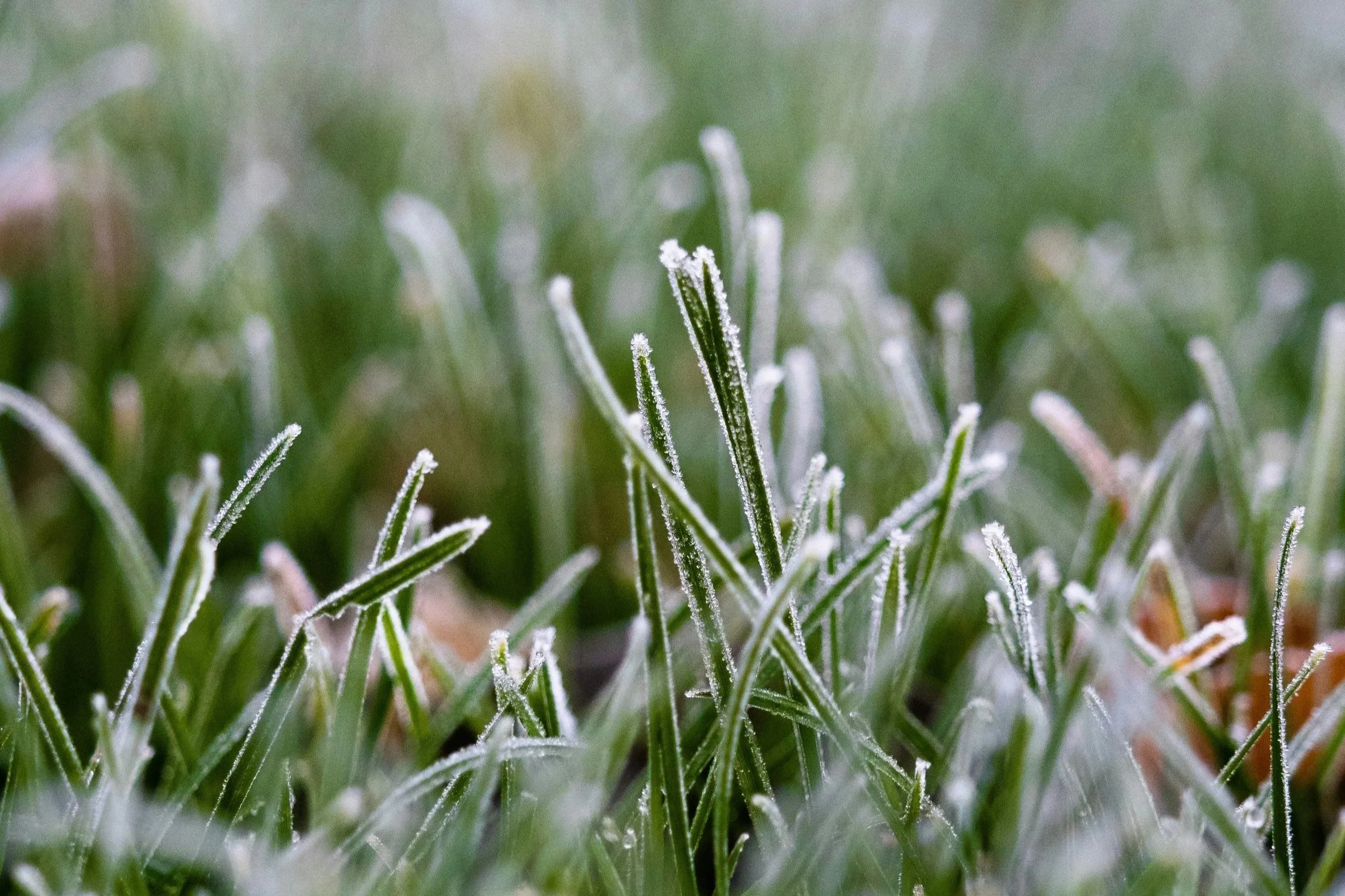
Late winter, as daytime temperature warm then cool overnight, is the optimal time for frost seeding pastures and already-established hayfields.
There are many factors to consider: freeze-thaw expectations, soil moisture, future rain expectations, ground-cover conditions, fertility, and species selections.
Timing
Frost seeding’s magic relies on a steady freeze-thaw process.
“The rhythmic expansion and contraction of soil during freezing and thawing create a honeycombing effect, facilitating seed incorporation into the soil profile and ensuring good seed-to-soil contact,” according to Iowa State University Extension and Outreach.
To avoid compaction or tearing up the ground, the soil should still be frozen, but not deeply covered in snow, when seeding occurs. Good moisture from rain or snow is needed to ensure a good stand.
Preparation
Before seeding anything, take a soil test on your pastures acres to ensure proper pH and fertility. If you have not had your soil tested recently (within four years), it is highly recommended get a soil sample to know your fertility level.
Soil sample testing can be hired or collect the sample yourself. Ideally, if lime is needed, it should be applied six months in advance to seeding. If there is no recent soil test or have applied lime based on a previous test, you may want to hold off until the soil amendments have been corrected, says Matt Bunger, NRCS state grazing lands specialist.
Soil imbalances or pH limitations will impact your success, no matter the timing, preparation, or application method, says Travis Meteer, Illinois Extension commercial agriculture educator.
“For example, low pH soils will be less conducive to legumes such as red clover, so frost seeding red clover on acidic soils will rarely be successful.”
To determine the acceptable pasture fertilization and limitations for specific forage species, refer to the Illinois Grazing Manual species factsheet.
Frost seeding into bare soil or soil with a light covering produces better results than seeding into thick, dead grass. A dense stand of existing forage hampers the establishment of frost-seeded plants.
“If you have well-rested pastures or paddocks with considerable residual growth on top of the soil, then success will likely not be good. On the other hand, if there are overgrazed and somewhat abused areas of your pasture fields, they would be good candidates for over-seeding. If you can see any amount of bare dirt, then over-seeding has a good chance.”
Heavier soils do a better job of pulling seeds into the soil than sandy soils, according to Iowa State.
When seeding into pastures, be sure they have been heavily grazed or closely clipped in the fall to avoid plant competition with the new seedings, according to Illinois Grazing Manual Fact Sheet distributed by USDA.
“If planning for frost seeding, heavily graze or mow the field down to 2 inches in the fall so that the soil is exposed and regrowth is delayed in spring,” according to Penn State Extension. “This will help improve seed-to-soil contact and reduce competition from the existing sod.”
Once new plants are established, avoid close grazing until new seedlings are established. For clover species, grazing should not occur until the plant has reached the first Trifoliate leaf stage, says Bunger.
Species Selection
“Species for successful frost seeding into pastures need to have certain characteristics such as rapid germination, superior seedling vigor, aggressive tillering and competitive ability, that would allow them to compete with the existing vegetation while being established,” says Yoana Newman, forage specialist and professor in the agriculture department at the University of Wisconsin–River Falls and a Wisconsin Extension forage specialist.
In Illinois, red clover is the most commonly used legume for frost seeding, according to Illinois Extension, which provides seeding rates for frost seeding into existing grass or legume sod.
“With a high seedling vigor and tolerance to pH, fertility, drainage, and drought, Red Clover is the most commonly used legume for frost seeding. Other legume options include Birdsfoot Trefoil, White Clover, and Ladino Clover,” says Illinois Extension.
“Birdsfoot Trefoil is slower to establish than Red Clover; however, over time, trefoil stands improve. Red Clover and Birdsfoot Trefoil make a good mix for seeding as Red clover often only produces for 2 years; once the Red Clover stand declines the Birdsfoot Trefoil is established enough to be the dominant legume. Although White Clover and Ladino Clover are known to last a bit longer than Red Clover, the two species are often less tolerant to low fertility, drought, and overgrazing.”
Application
Penn State Extension provides several options for application: hand-cranked broadcast spreaders, pendulum spreaders on 3-point hitch operated from the tractor’s PTO, broadcast spreader on tractor 3-point hitch with electric motor, and a tow-behind ground-driven drop spreader.
Dig Deeper
Should I Frost Seed?, Shelby Gruss and Rebecca Vittetoe, Iowa State University Extension and Outreach
What Species Work Best for Frost Seeding?, “Yoana Newman, University of Wisconsin-Madison Division of Extension
Frost Seeding, Illinois Grazing Manual Fact Sheet, USDA, Illinois Extension, Illinois Department of Agriculture, Illinois Grassland Conservation Initiative
Frost Seeding: A Technique for Interseedig Cover Crops and Improving Forage Stands, Sjoerd Willem Duiker and Zachary Larson, Penn State Extension
Frost Seeding Pastures and Hay Fields, Good Growing, University of Illinois Extension
Too Late for Frost Seeding?, Travis Meteer, University of Illinois Extension
Pasture Fertilization, USDA NRCS
Soil Sampling Testing, USDA NRCS
Check out these forage blogs

Late winter, as daytime temperature warm then cool overnight, is the optimal time for frost seeding pastures and already-established hayfields. There are many factors to consider.