The volitivity of the agriculture industry has farmers looking for new ways to reduce risk and diversify their income. The increase in solar energy developments is offering Illinois landowners and farmers something new to consider.

What can landowners expect from solar leases?
The American Landowner Alliance says solar companies pay Illinois landowners $1,000 or more per acre per year in rent. In comparison, Illinois’ average cash rent for prime farmland is $384 per acre, according to the Illinois Society of Farm Managers and Rural Appraisers.
The details of the lease matter.
The contracts are often 20 to 30 years in length and binding once signed.
It may take up to five years for approvals and energy buyers to be secured. During this time, the lease is substantially lower.
The project may be abandoned by the solar company.
Rent is usually paid annually or twice a year.
Converting land to solar may have tax implications for the landowner.
In case of bankruptcy of the solar company, clean up and restoration may fall to the landowner unless clearly outlined in the lease.
The landowner keeps the land and has no responsibility for maintenance of the site. Mowing or grazing is contracted separately, though landowners can bid to provide vegetation management on the site.
What can farmers expect from solar vegetation management contracts?
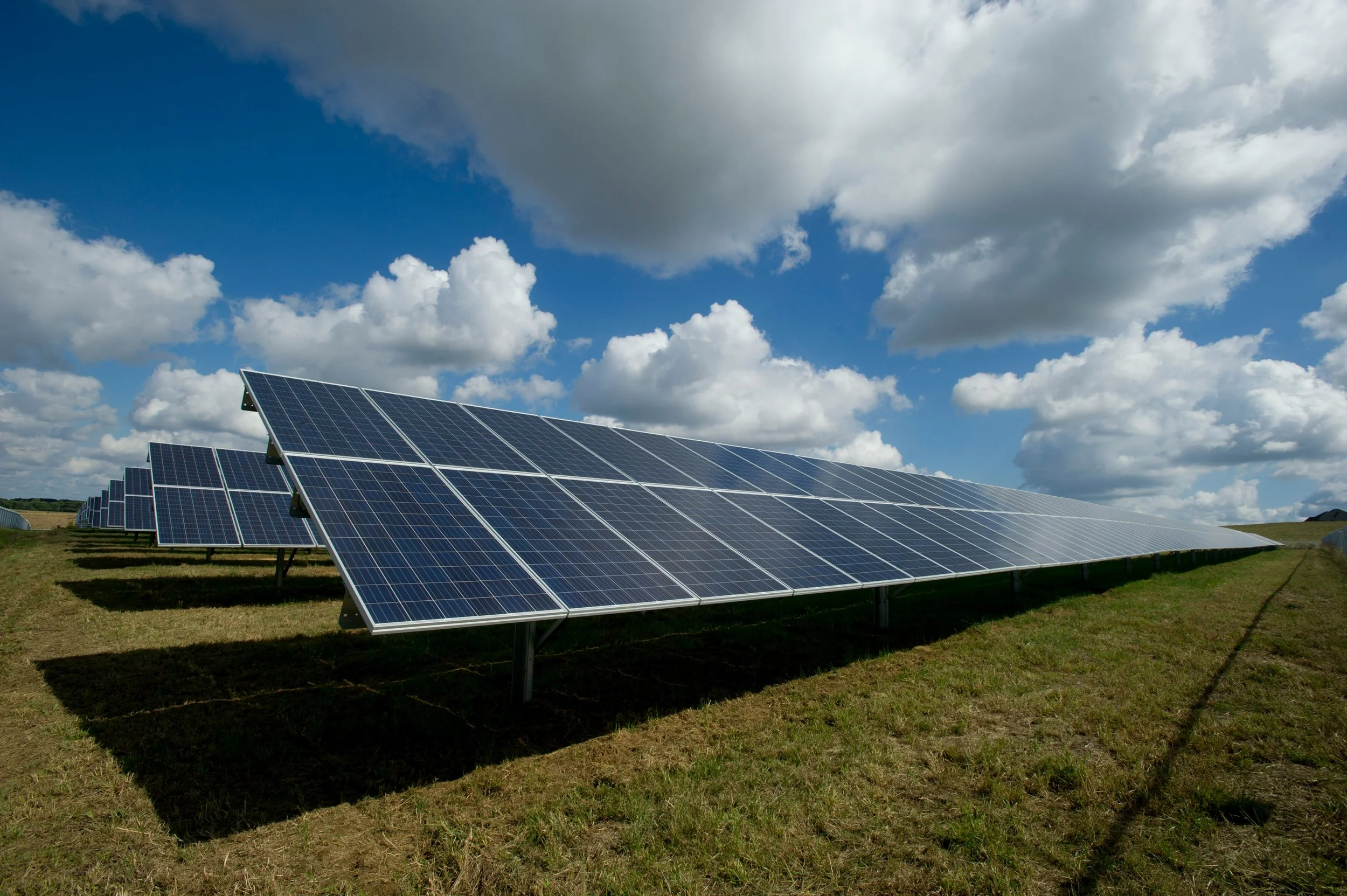
Solar companies hire contractors to manage the perennial vegetative cover on the solar farms, either through mechanical mowing or livestock grazing or a combination of both. Illinois graziers can earn from $300 to $500 per acre to manage vegetation, according to Chauncey Watson of Illinois Solar Grazing & Mowing in DeKalb County.
Watson shared his experience managing vegetation for solar companies.
Understand the capital investment needed to perform the duties required in the contract before you bid.
Negotiate your compensation based on the facility’s condition — panel height, row width, exterior mowing responsibilities, road access, wire maintenance. Some areas may be difficult to mow, potentially causing equipment breakdowns.
In addition to the panel area, farmers are usually responsible for maintaining the buffer areas outside the panels, including any tree or bush areas. Include the cost of fuel, equipment, and labor to maintain these areas.
Graziers must have “hooves on the ground,” regardless the time of year the site completed to receive that year’s payment.
Some sites lack appropriate perimeter fencing to keep livestock in and keep predators out.
Payments can be slow.
For more information
To help farmers understand the challenges and rewards of solar grazing, Brooke Watson founded the Illinois Agrivoltaics Network to facilitate conversations about the benefits of agriculture and solar collaborations. Farmers can contact her through the farm’s website. The American Solar Grazing Association works directly with graziers interested in collaborating with solar energy companies.
You may also enjoy these blogs on solar grazing
Sheep: A sustainable answer to managing solar vegetation, The Brooke and Chauncey Watson story, The Grazing and Forage Hub
Harvesting the sun twice: Land sharing keeps ag on farmland, The Grazing and Forage Hub
Grazing helps boost soil biology under solar panels, The Grazing and Forage Hub
Dig Deeper
Sheep: A sustainable answer to managing solar vegetation, The Grazing and Forage Hub
Illinois Solar Grazing & Mowing, Brooke and Chauncey Watson
Exploring Solar Impacts on Soil Health, University of Illinois Extension
Navigating Local Land Use, Conservation, and Farm Economics, University of Illinois Extension
Grazing Between the Panels: How Sheep Are Expanding What’s Possible for Solar and Agriculture in Massachusetts, American Farmland Trust
Illinois Solar and Agriculture, Clean Grid Alliance
Solar Farms in Illinois, Cleanview
Solar Energy Industries Association, Illinois Sites
Illinois farmers find that sheep and solar arrays go well together, Canary Media
There's a solar boom in rural America. Can agriculture and renewable energy share the land?, NPR Illinois
Solar Market Insight Report Q3 2026, Solar Energy Industries Association