Multispecies grazing: A golden opportunity
More may be better for livestock producers looking to diversify their operation, but it’s important to understand the environment each animal species needs to thrive in a multi-species grazing operation.
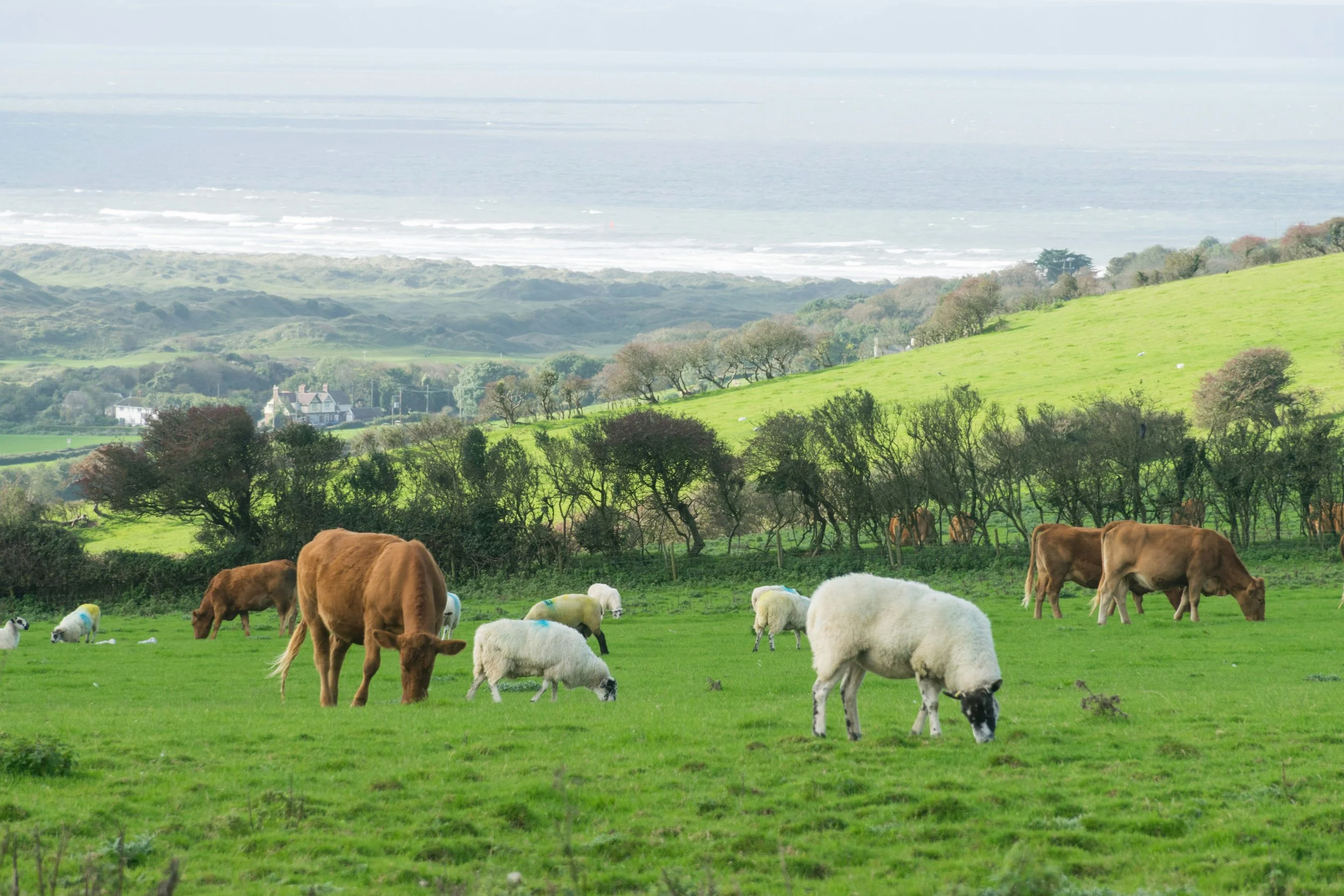
“Sheep and goats are not miniature cows,” Teresa Steckler, University of Illinois commercial ag specialist, said during the Illinois Forage and Grassland Council Forage Institute in June. Each has a different appetite.
“Cows are selective and picky,” Steckler says. They prefer taller grasses and will graze four to 14 hours, primarily during daylight hours.
Sheep prefer forbs, such as dandelions, clover, and various broadleaf weeds that are tender, digestible, and nutrient-rich over mature grasses, which makes them “good as second grazers,” Steckler says. They can tolerate salty flavors and graze rugged terrain.
They don’t need as close access to water as cattle, and can walk 3 to 4 kilometers, if needed, for water. Their strong flocking instinct keeps them naturally close to one another.
While sheep eat with their head down, goats like to reach for the leaves of trees or shrubs with their heads up, Steckler says. Because they aren’t picky eaters, goats are often used to clean up invasive and unwanted plants, allowing the desired nutritious plants to flourish.
“It won’t be an overnight fix,” Steckler says. “It is going to take some time, but they will clean up the pastures of plants that you don’t want.” Goats’ tolerance for tannins and bitters allows them to clean up invasives such as autumn olive.
Sericea lespedeza, an invasive herbaceous legume, is rampant in Southern Illinois, Steckler says. Its seeds can remain viable in the soil for more than 20 years, but Steckler has seen an immediate impact from grazing goats to combat the invasive.
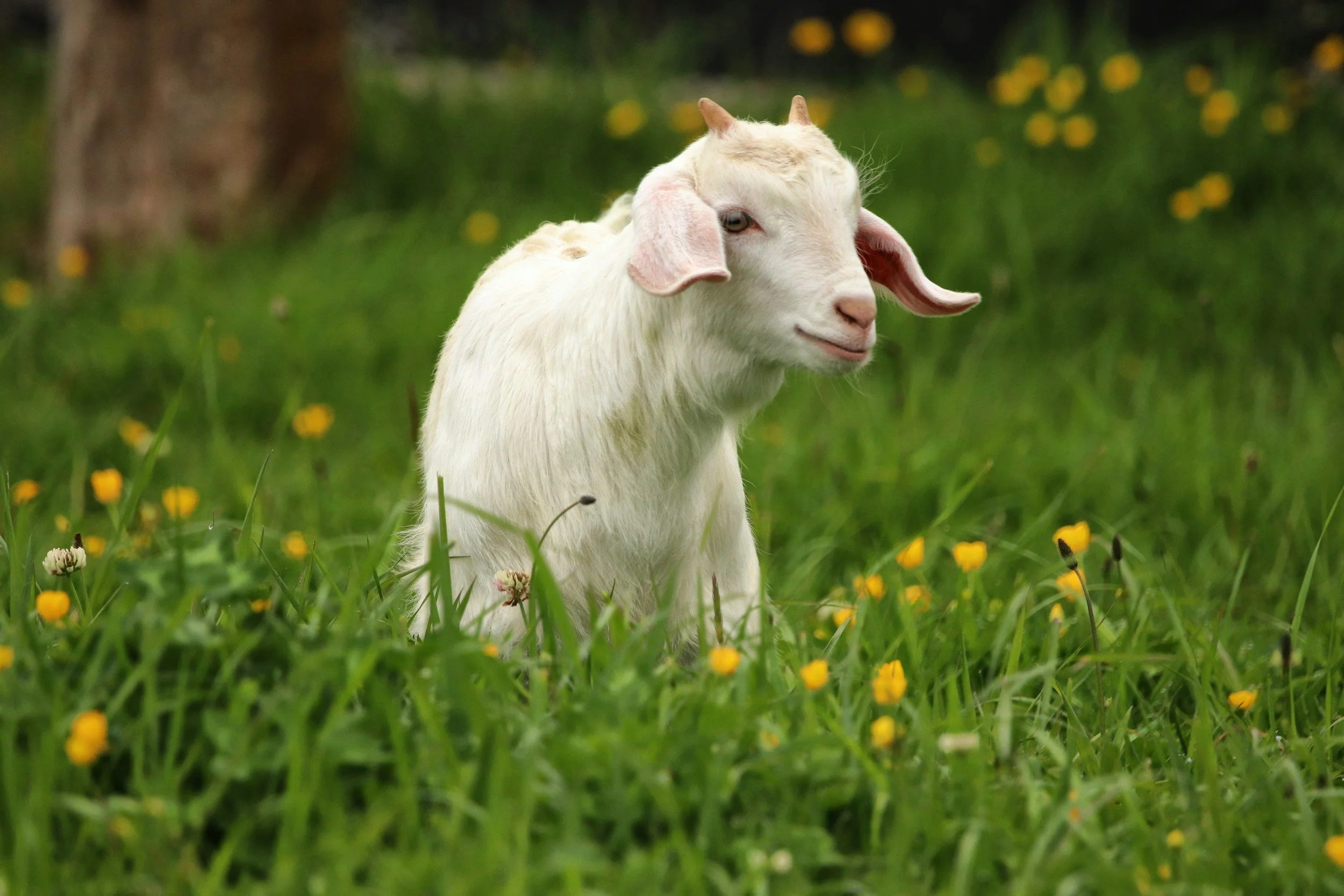
Goats and sheep have higher nutritional needs than cattle, Steckler says. She recommends grazing goats, followed by sheep, followed by cattle for producers looking to graze all three species.
Before you take the plunge into the sheep and goat market, be sure you have a ready market available in your area.
“A unique aspect of sheep production is that the lamb and ewe market share of the meat industry is so small that beef, pork and poultry prices do not greatly affect lamb prices,” says Karl Hoppe, North Dakota State University Extension livestock specialist. “Even so, lamb prices are seasonal, with better prices when demand is high during religious and ethnic holidays.”
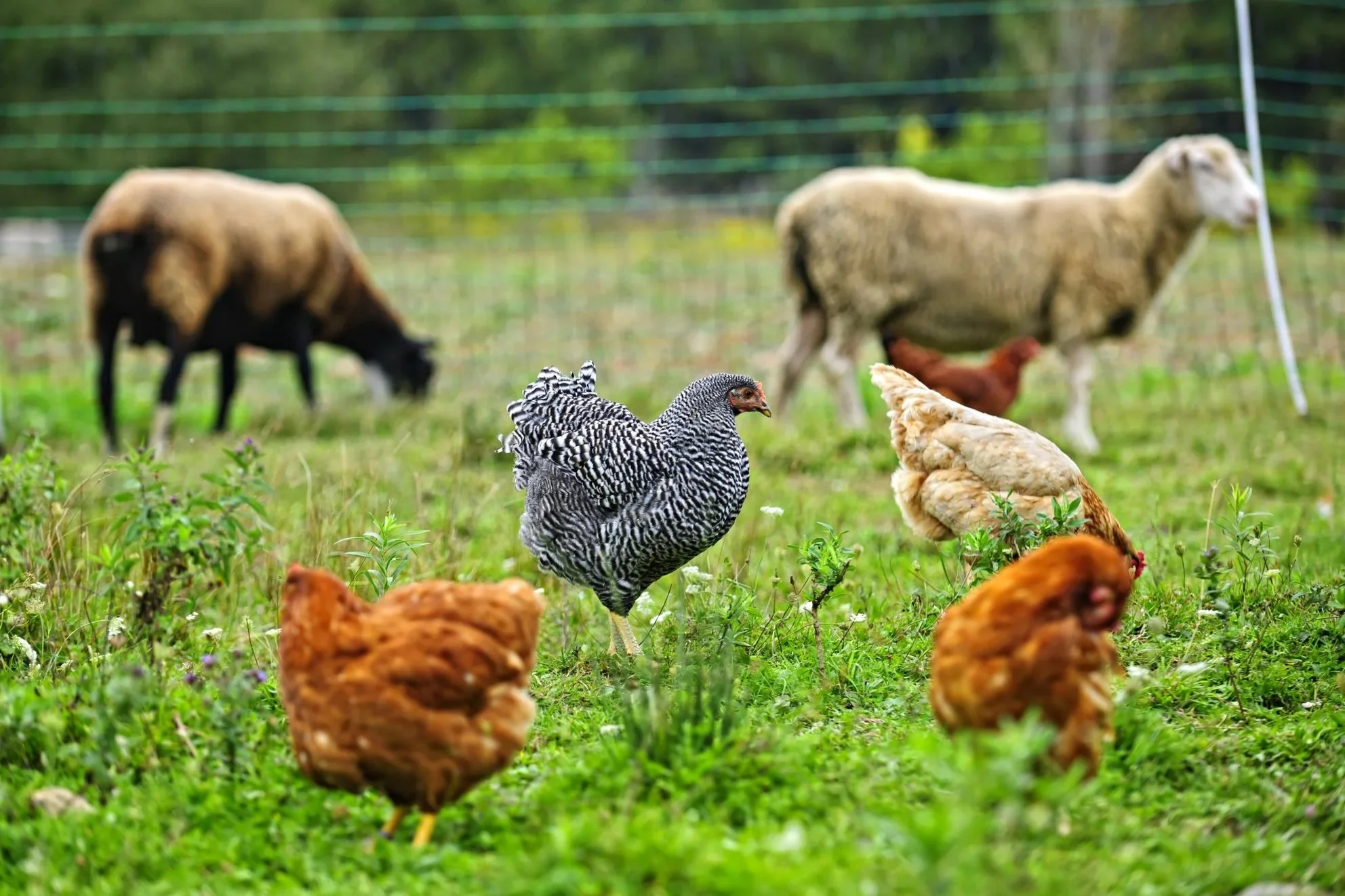
Grazing multiple species can improve soil health by distributing manure, reduce soil compaction from hoof action, reduce the need for herbicides, and improve available nutritional forage by eliminating unwanted or invasive plants.
In terms of risk management, diversification makes your farm more resilient than single-species operations. All that adds up to more profit.
Need help identifying your forbs?
Try out the University of Arkansas Extension Forage ID Image Gallery and Recognizing and Managing Common Pasture Weeds from Iowa State University.
Dig Deeper
Invasive Autumn Olive, University of Illinois Extension
Invasive Sericea lespedeza, University of Illinois Extension
Forbs, Oregon State University Extension
Diversification of livestock: sheep, North Dakota State University Extension