The advice you need to grow and graze.
Search by these popular topics
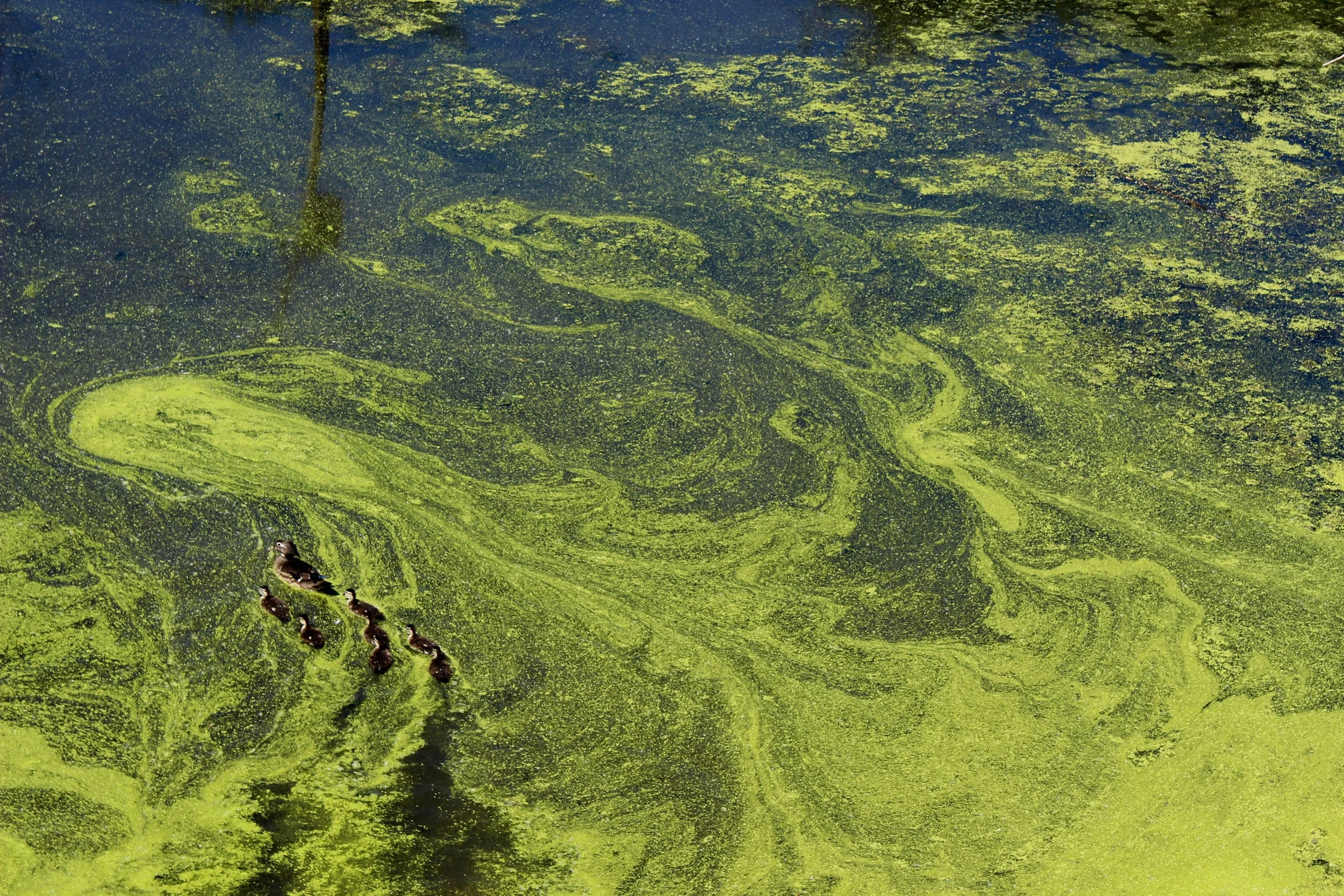
Check pasture ponds for blue-green algae risk
Ponds and other water sources contaminated with blue-green algae may create serious health issues for livestock, as well as humans.
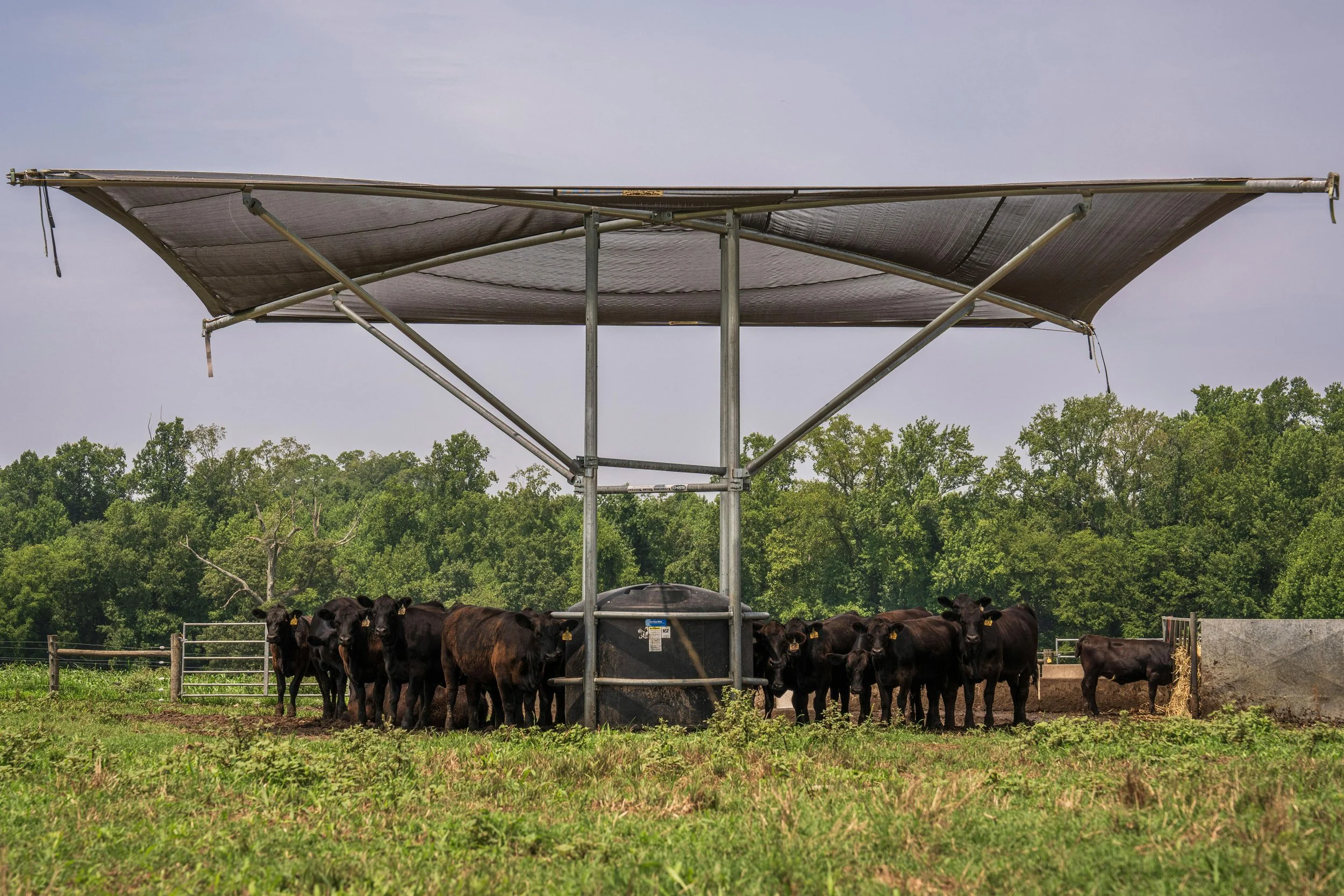
Shade translates into savings and pounds
We know summer is hot, but shade can mitigate some of the stress for your livestock caused by the extreme heat.
Follow the clues to better forage quality
Forage quality is key to providing the nutrients grazing livestock need. Three factors impact forage quality: plant species, plant maturity, and plant part.
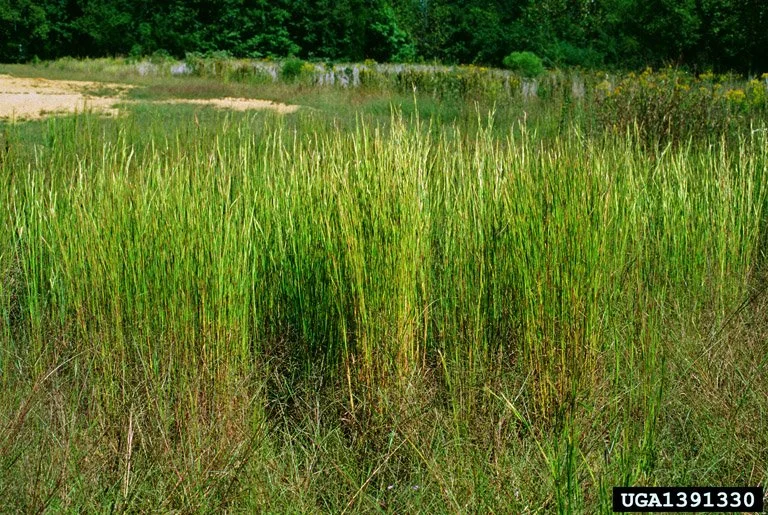
Managing broomsedge in pastures
In spring, forages need time to reawaken from winter before they are grazed. Spring is a good time to evaluate your pasture and hay fields for weeds.

Fescue: The good, bad, and ugly
Tall fescue, though it is not native to this country, is found in a majority of pastures in the U.S. There’s a good, bad, and downright ugly side to fescue.
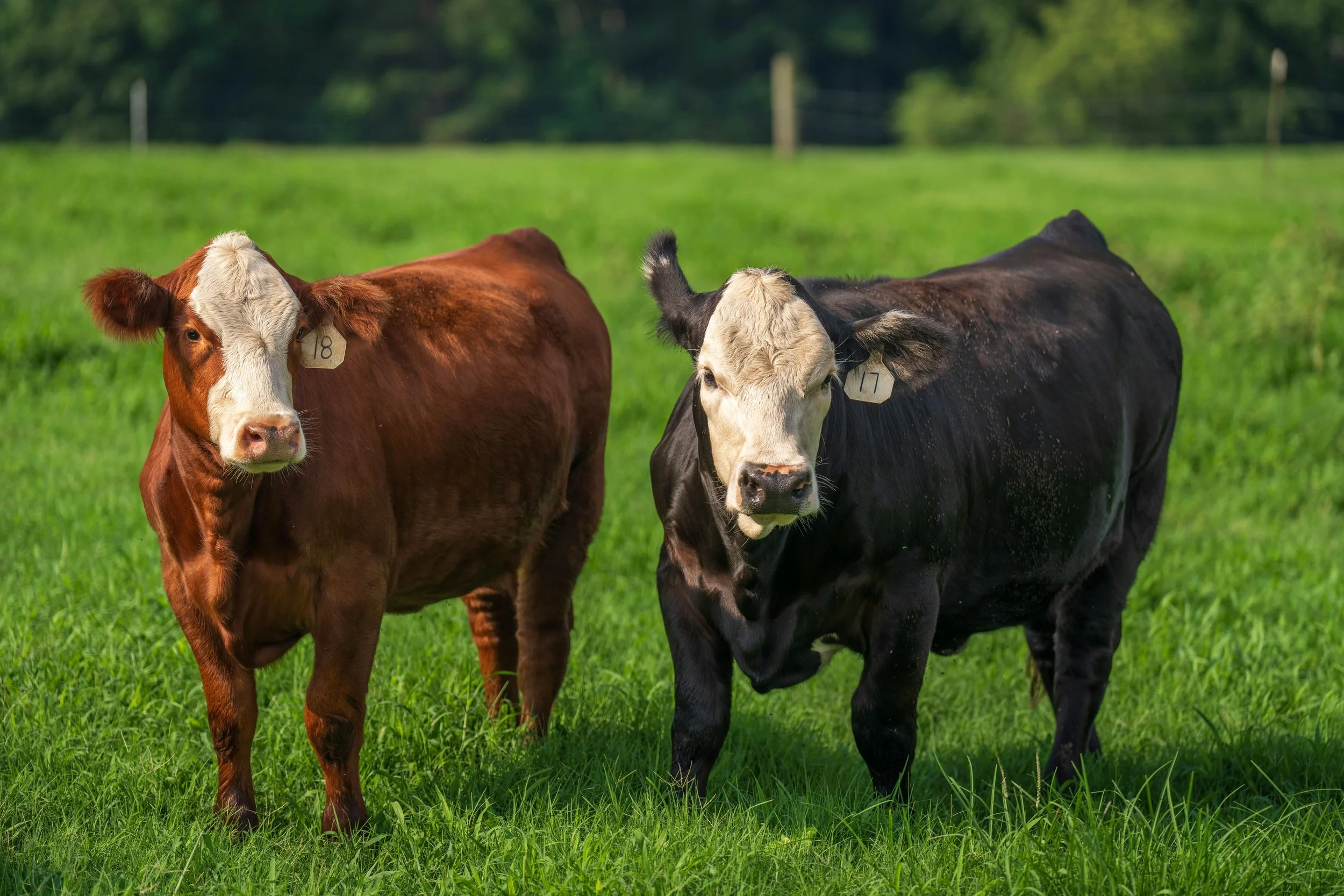
Keep cattle on the move for better pastures
A planned, adaptive grazing plan is needed by all grazers to ensure a successful grazing season that results in economical production of healthy animals.
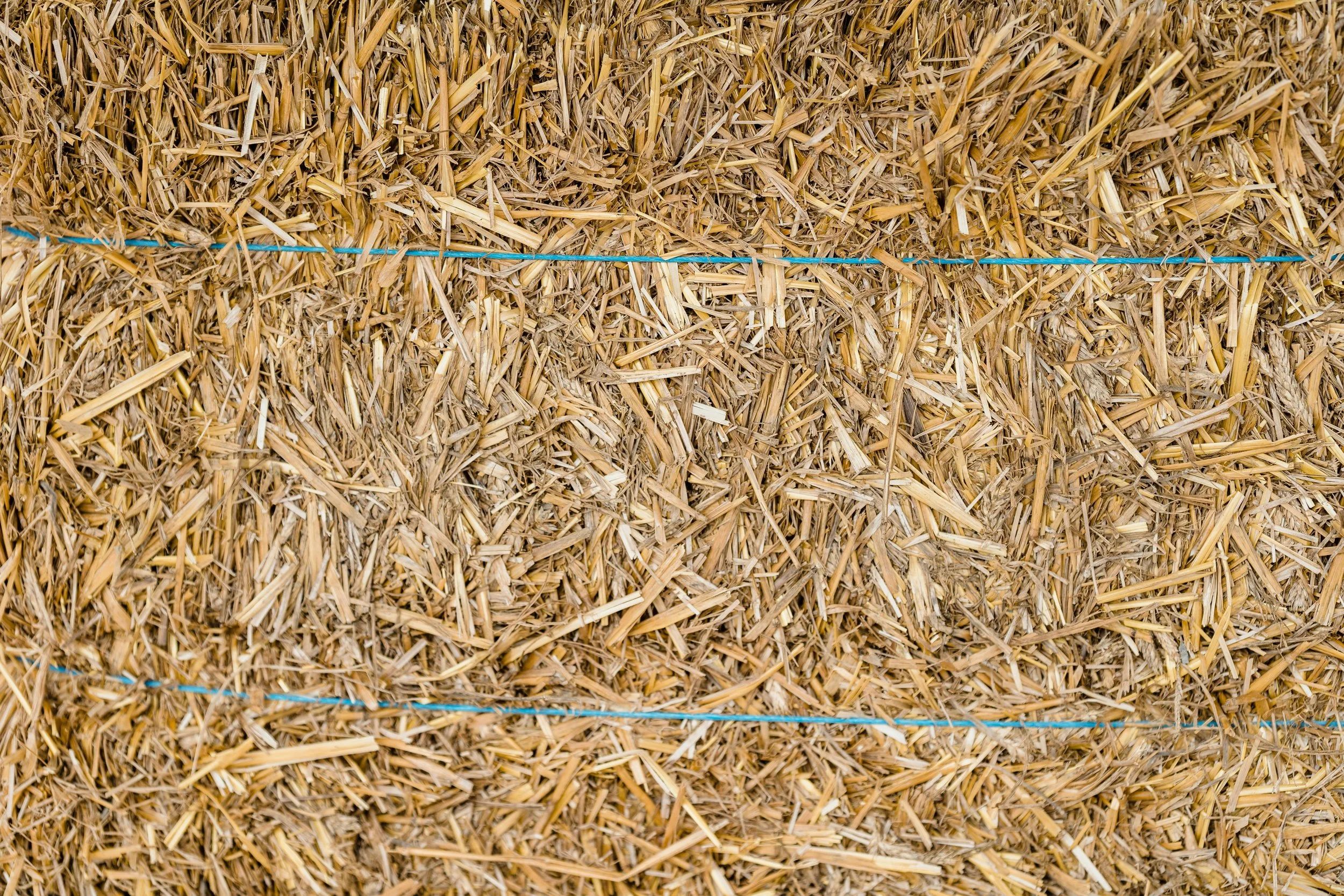
Protect the value of stored hay
Improper hay storage cuts into the profits for hay and cattle producers. With demand for hay high, take steps to protect this year’s crop from loss.
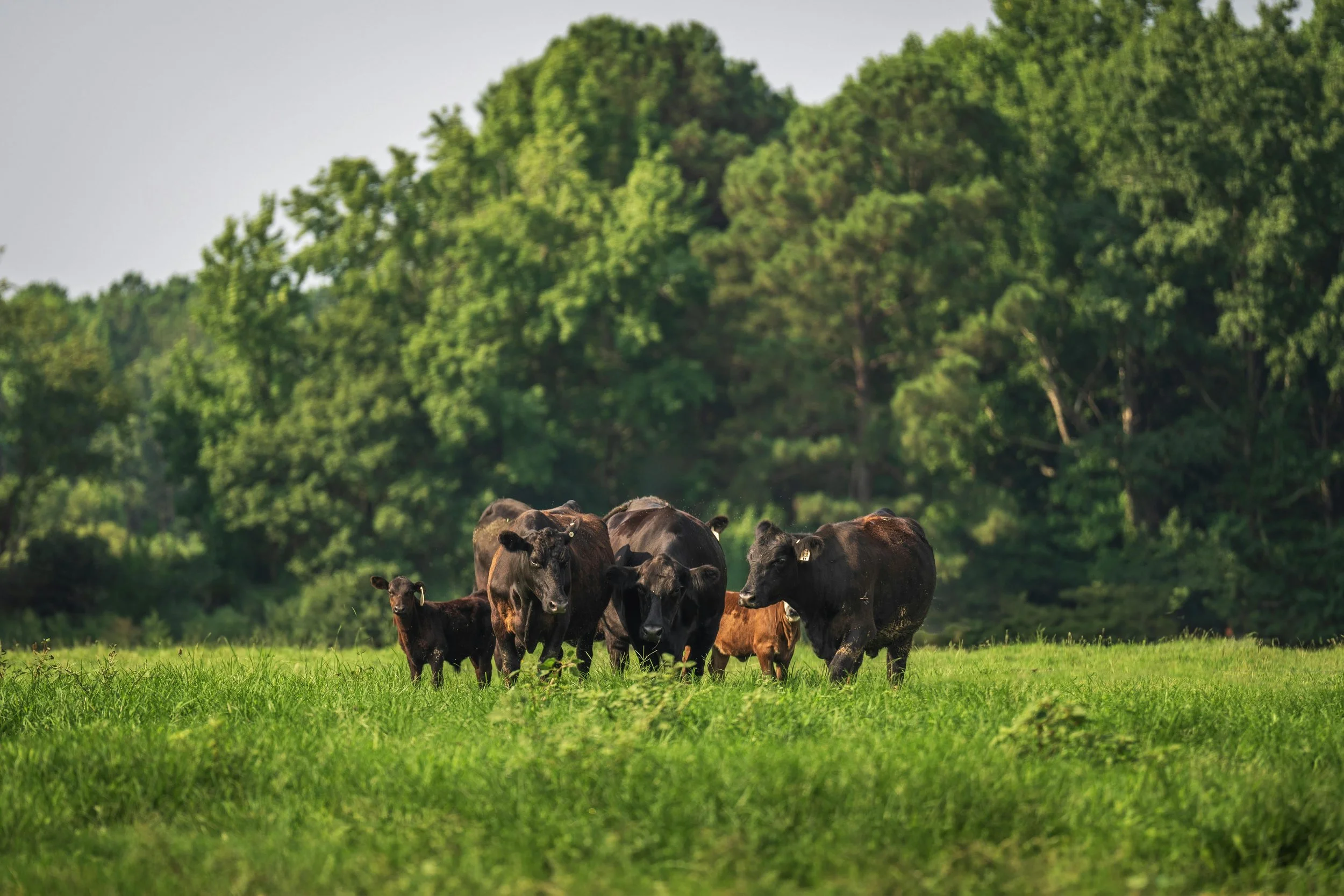
Why care about regenerative grazing?
No longer is it enough to sustain or maintain; we have to repair, rebuild, and regenerate our land to thrive in agriculture.